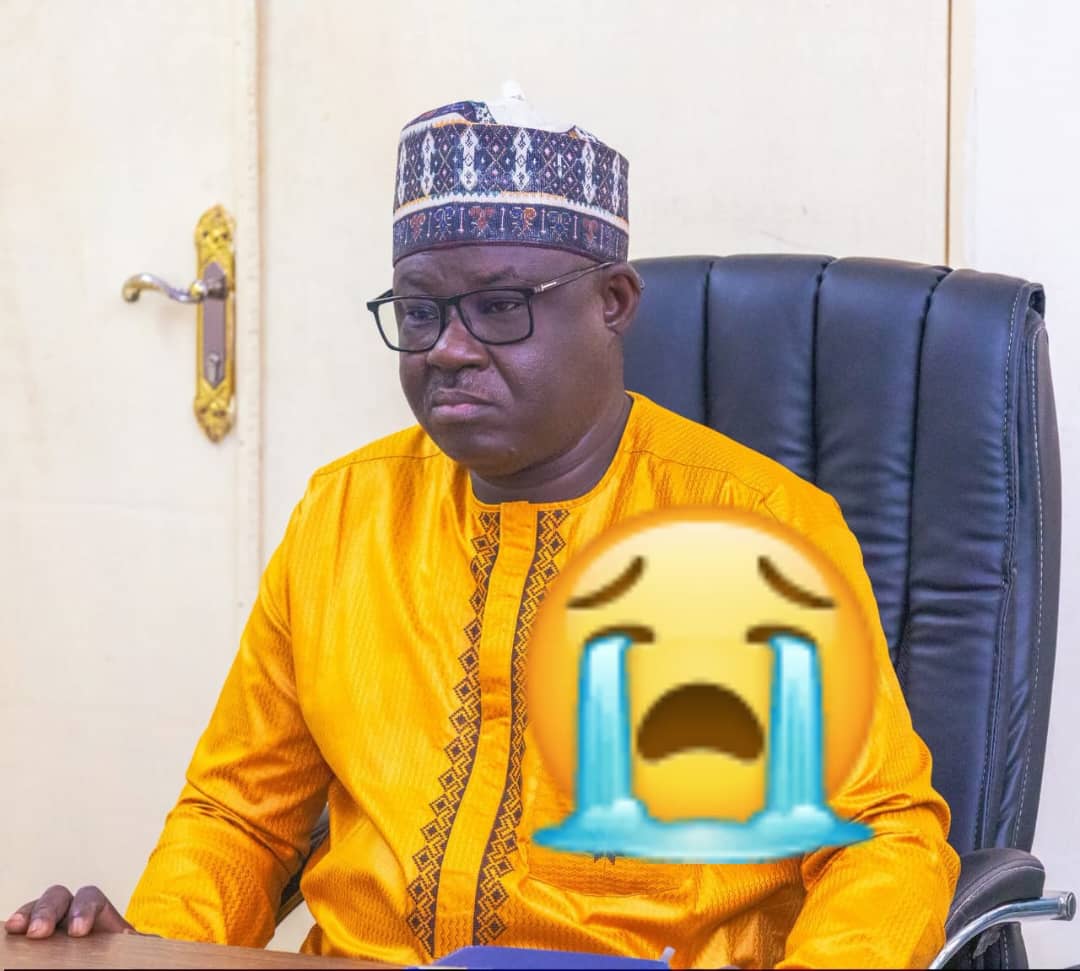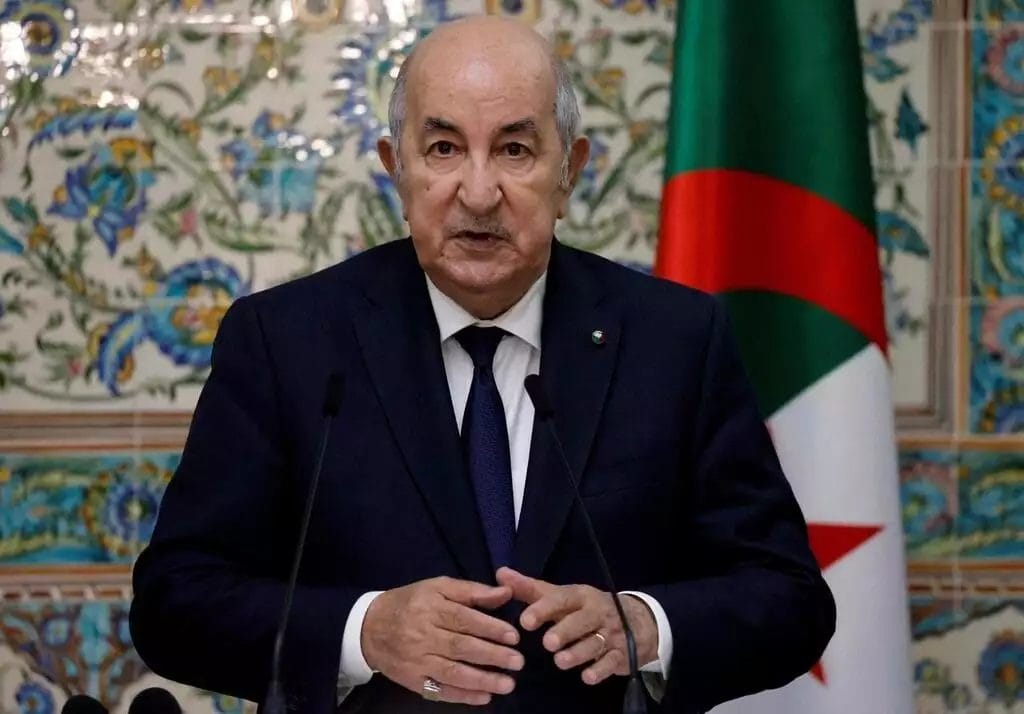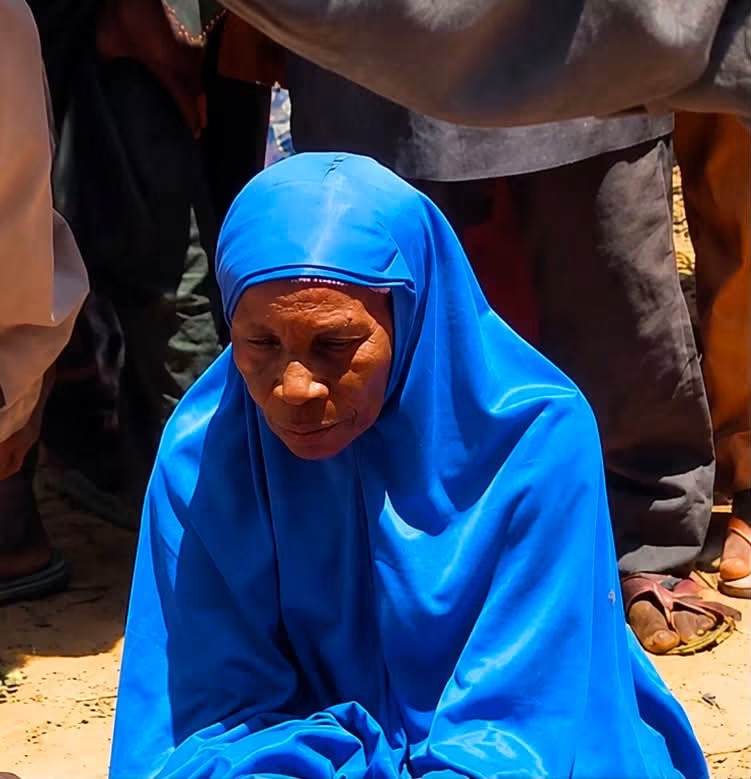
Mme Intaya Kahiya has been designated the new Saraouniya, or Queen, of the Azna Community of Lougou in Niger. Her selection occurred on Sunday, July 12, following the death of the previous Saraouniya, Kambari Kahiya. The late Saraouniya Kambari Kahiya passed away on Friday, July 10, 2026. Intaya Kahiya is the biological half-sister of the late Saraouniya Kambari Kahiya, according to community reports. Her designation marks a significant transition in the traditional leadership of the Azna community in Lougou, ensuring the continuation of a revered ancestral role. Mme Intaya Kahiya now officially succeeds the late Saraounia Kambari Kahiya, taking on the mantle of leadership for the community.
Role of the Saraounia
The Saraounia serves as an emblematic figure for social cohesion and customary justice within the Azna community, according to traditional customs. The role embodies wisdom and spirituality, which historically guaranteed mediation and solidarity among community members. This critical position is not merely ceremonial but actively contributes to the well-being and stability of the community. The Saraounia's influence extends to fostering unity and resolving conflicts, making her a central pillar of communal life.
In the Azna legend of Arewa, the Saraounia was famously associated with Baoura, her son-in-law, forming a mystical power considered essential for maintaining social cohesion. This deep-rooted spiritual connection shows the profound respect and authority accorded to the Saraounia. This traditional leadership position holds significant cultural weight, guiding community affairs through established practices and spiritual influence, ensuring the preservation of ancient traditions. The Saraounia's responsibilities extend to upholding communal harmony and resolving disputes, reflecting a deep-rooted system of governance that prioritizes collective well-being. The designation of a new Saraounia shows the ongoing importance of this customary role in the region, reaffirming its enduring relevance in contemporary times. The Saraounia's wisdom and spiritual guidance are seen as vital for navigating challenges and preserving the community's cultural identity.
Ancestral Title and Legend
The title of Saraounia is an ancestral designation that has been passed down through generations since its inception, according to community traditions. Erkassa, identified as the very first Saraounia, originated from Daoura in neighboring Nigeria. This lineage shows the historical depth and cross-border connections of the Azna community's leadership structure, noting a shared heritage that transcends modern borders. The Saraounia's role has deep roots in the region's cultural heritage, linking contemporary leadership to ancient customs and origins, thereby providing a continuous thread of tradition.
Historically, a figure known as Mangou significantly popularized the title of Saraounia. Mangou's influence helped solidify the importance and recognition of the Saraounia within the Azna community and beyond, cementing the title's place in local lore and traditional governance. The prominence achieved through Mangou's legacy contributed to the enduring cultural significance of the Saraouniya, shaping perceptions of the role as a spiritual and community leader. This historical popularization ensured that the Saraounia's authority and spiritual importance were widely acknowledged and respected across the region. The title has thus become synonymous with traditional leadership and spiritual guidance within the Azna community.
Community and Justice
The Saraounia is considered the high authority of traditional justice, overseeing the resolution of disputes within the Azna community. This role historically involved coordinating the services of Toungouma, which is described as the sacred stone where judgments were rendered. Through this function, the Saraounia ensured the application of customary law and maintained social order, acting as the ultimate arbiter in communal matters. The designation shows the leader's integral role in upholding justice mechanisms rooted in community traditions, providing a framework for fair and equitable resolution. This traditional system provides a framework for addressing conflicts and reinforcing communal cohesion, reflecting a deeply embedded governance structure that prioritizes collective harmony. The Saraounia's judgments are highly respected, drawing upon generations of wisdom and an understanding of community values, ensuring that justice is administered in a manner consistent with their ancestral heritage.