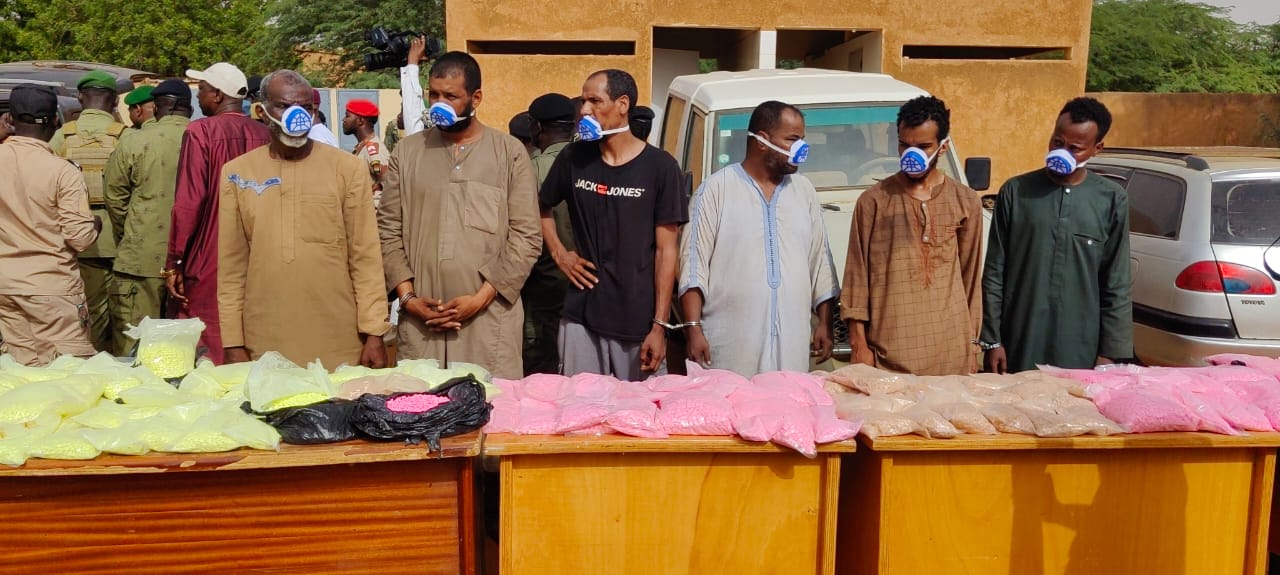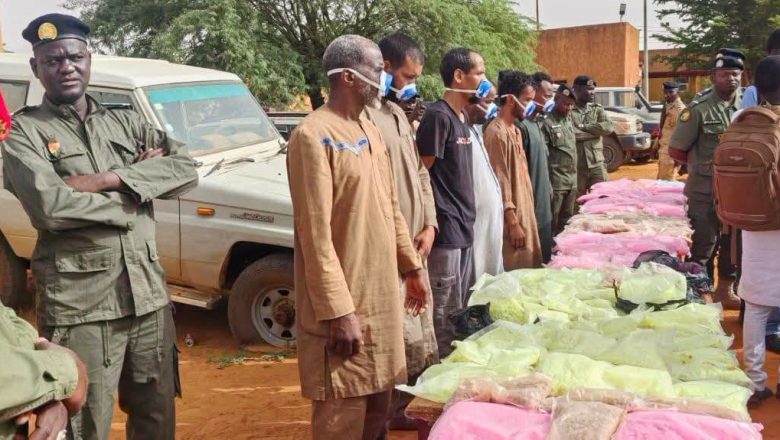
An international drug trafficking network was dismantled following an operation on Sunday, June 21, 2026, which resulted in the seizure of 263,000 ecstasy pills. This significant interdiction by authorities targeted a sophisticated criminal enterprise. The network, operating between Illéla, Ingall, and Agadez, was specifically identified and targeted by law enforcement as part of ongoing efforts to disrupt illicit drug routes that traverse the region. This successful operation marks a substantial disruption to drug distribution channels that connect these key locations, noting the persistent challenges posed by organized crime in West Africa. The seizure of such a large quantity of narcotics shows the scale of the trafficking operations and the potential harm averted by the intervention.
Seizure Details and Modus Operandi
The 263,000 ecstasy pills, a substantial quantity of illicit narcotics, were meticulously concealed within a tourist vehicle. This vehicle, a key component of the trafficking operation, was confirmed to have originated in Cotonou, Bénin. Investigators determined that the traffickers had intended to deliver the illicit cargo to a specific destination known as "Mararabar Ingall," indicating a pre-planned distribution point within the network's operational area. The use of a tourist vehicle for such a large-scale shipment points to the deceptive methods employed by these criminal organizations to evade detection by border controls and law enforcement agencies.
Further investigations revealed the intricate nature of the dismantled network's operations. This particular interdiction represented what authorities believe to be the network's orchestration of a third shipment of narcotics, suggesting a pattern of successful, albeit now disrupted, previous deliveries. The modus operandi involved a complex logistical chain: tourist vehicles were specifically dispatched from Europe, with Belgium identified as a notable point of origin. These vehicles would then travel to the port of Cotonou, Bénin, serving as a critical transit hub. From Cotonou, the vehicles, laden with illicit substances, were subsequently transferred by land across Niger. The ultimate destination for these shipments was consistently identified as the Maghreb region, noting Niger's geographical importance in the trans-continental drug trade. A key figure in this elaborate scheme was identified as a French national, who was responsible for loading both the vehicle and the drugs from a Belgian port, indicating a European nexus to the trafficking activities. This detail shows the international scope and multi-national involvement in the illicit trade.
This recent seizure at Illéla follows a previous, equally significant operation conducted by the Office Central de Répression du Trafic Illiicite des Stupéfiants (OCRTIS). In February 2026, OCRTIS successfully confiscated an even larger quantity, 800,000 ecstasy pills, demonstrating their sustained efforts against drug trafficking. The consistent use of tourist vehicles and the established route from European ports via Cotonou, through Niger, and onward to the Maghreb, collectively show the highly organized and sophisticated nature of these trafficking operations. The interception at Illéla therefore notes the ongoing and vigilant efforts by law enforcement agencies to disrupt these well-established drug corridors and prevent the widespread distribution of large quantities of illicit substances within the region and beyond its borders. The repeated pattern of these seizures provides critical intelligence on the preferred routes and methods of international drug syndicates.
Suspects and Confiscated Assets
The operation led to the apprehension of six individuals directly connected to the international drug network. Among those arrested were four foreign nationals, further emphasizing the transnational character of the criminal enterprise. During the careful search and subsequent arrests, authorities confiscated a significant sum of 1,103,000 FCFA in cash. Beyond the local currency, further financial seizures included 28,000 Algerian dinars and 20,000 nairas. The presence of multiple foreign currencies provides tangible evidence of the cross-border nature of the illicit trade and the financial mechanisms supporting it.
In addition to monetary assets, investigators secured seven mobile phones from the suspects. These devices are expected to provide key intelligence regarding the network's operational structure, communication channels, and potentially identify other members or future targets. The seizure of four jerry cans of gasoline also offered valuable insights, suggesting advanced preparations for long-distance travel, a detail entirely consistent with the identified trafficking routes that span vast distances across multiple countries.
Following their apprehension, all six suspects were promptly placed in police custody. They now face serious charges related to international trafficking of high-risk drugs. The specific nature of these charges accurately reflects the severity and extensive scale of the criminal enterprise uncovered by law enforcement. The arrests and the full confiscations show the multi-faceted approach taken by authorities, aiming not only to disrupt the supply chain of illicit substances but also to dismantle the financial and logistical infrastructure that underpins such sophisticated criminal networks. This holistic approach is deemed essential for effectively combating international drug trafficking.
Broader Context and Concerns
The successful operation resulted in the arrest of six suspects, dealing a blow to the network's capabilities. Niger's geographical position inherently places it as a critical hub for drug trafficking, serving as an unavoidable transit point between West Africa and the Maghreb region. This specific role has consistently raised significant concerns among national and international authorities. Officials harbor deep fears that these extensive and lucrative trafficking networks could be inadvertently, or even directly, financing armed groups operating within the region. Such a connection would exacerbate existing security challenges and instability.
The timing of this recent drug interdiction carries additional symbolic weight, as it occurred on June 26. This date is recognized internationally as the International Day Against Drug Abuse and Illicit Trafficking, a day dedicated to raising awareness about the major problem that illicit drugs represent to society. The operation on this particular day serves as a stark reminder of the persistent global fight against drug-related crime and the dedication of law enforcement agencies to combat it. The ongoing vigilance and strategic operations by authorities, such as the one in Illéla, are key in mitigating the widespread threat posed by international drug trafficking to public health and regional security. The fight against these networks remains a high priority, given their capacity to fuel other forms of organized crime and conflict.