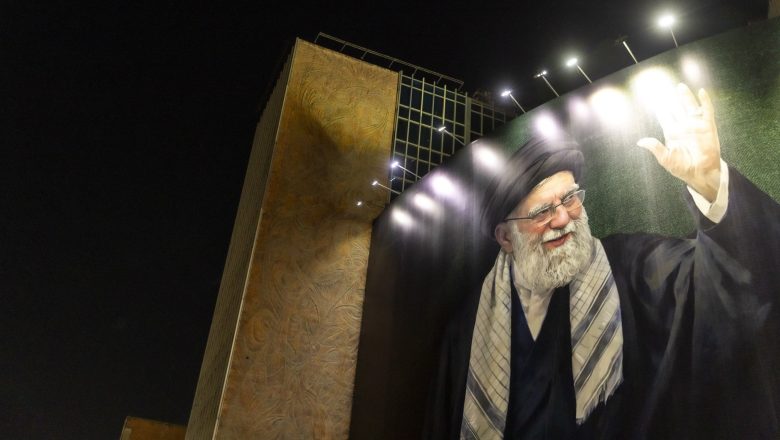
Funerals for Ayatollah Ali Khamenei are scheduled to commence on July 4, 2026, and continue through July 9, 2026, across Iran. The extensive ceremonies began with security preparations in the capital, marking a period of national mourning. Tehran's airspace was entirely closed on Friday, July 3, 2026, to facilitate these funeral proceedings, according to official statements. This unprecedented closure aimed to ensure the safety and smooth conduct of the high-profile events. The closure was mandated as part of full security measures surrounding the events honoring the late leader, reflecting the heightened alert status for the duration of the national funeral. These security protocols were implemented to manage the vast crowds expected and to protect visiting dignitaries, showing the sensitive nature of the multi-day observances.
Massive Public Mourning
Authorities anticipate between 15 million and 20 million people will participate in the ceremonies taking place in Tehran. This significant turnout is expected to converge on the capital to pay their respects. The capital is hosting a significant portion of the national funeral proceedings for Ayatollah Ali Khamenei, serving as the central hub for the initial phase of the mourning period. The large-scale attendance is expected as the country marks the passing of its leader, demonstrating a collective outpouring of grief and national solidarity. These figures show the extensive public mobilization planned for the multi-day event, which includes organized processions and gatherings. The ceremonies are part of a nationwide tribute that includes various cities across Iran, though Tehran remains the focal point for the largest public demonstrations of mourning. The sheer scale of the anticipated participation notes the profound impact of Ayatollah Ali Khamenei's death on the nation.
Succession and Security Concerns
Ayatollah Ali Khamenei died on February 28, 2026, in a joint American-Israeli strike that targeted his residence. This event has cast a long shadow over the transition of power. The circumstances of his death have heightened security concerns around the subsequent succession, prompting rigorous protective measures for the new leadership. His son, Mojtaba Khamenei, who was designated as the new Supreme Leader on March 8, 2026, is not expected to appear publicly during the extensive funeral ceremonies. This decision stems from both injuries he sustained and ongoing security concerns, according to official statements. The absence of the newly appointed leader from such a significant public event notes the sensitive nature of the transition following the strike, pointing to the delicate balance of power and security challenges facing the regime. The security apparatus remains on high alert, particularly given the unprecedented circumstances surrounding the former leader's demise.
International Attendance and Regional Caution
The Iranian regime hopes the funeral ceremonies will demonstrate popular attachment to the theocratic system that governs the country, projecting an image of stability and unity to both domestic and international audiences. Invitations for the funeral were extended to a wide range of nations, reflecting Iran's diplomatic outreach during this critical period. These included Russia, China, India, Pakistan, Turkey, Turkmenistan, Tajikistan, Iraq, Armenia, Afghanistan, Oman, Qatar, Azerbaijan, Kyrgyzstan, Uzbekistan, Bangladesh, and Egypt. The broad spectrum of invited countries indicates Iran's desire for international recognition and support during the mourning period.
Officials from several of these invited countries are present for the ceremonies, signifying a degree of international engagement despite regional tensions. Among those attending are representatives from China, Russia, India, Burkina Faso, the Republic of Congo, Namibia, and Saudi Arabia. Their presence marks an international dimension to the national mourning period, with delegations arriving to offer their condolences. The attendance of these foreign dignitaries shows the geopolitical significance of the event and Iran's position on the global stage.
Final Rites and Burial
Ayatollah Ali Khamenei's burial is scheduled for July 9, 2026, bringing the elaborate period of mourning to a close. The final rites will take place at the Imam Reza mausoleum, located in the city of Mashhad. This sacred site holds immense religious significance for Shia Muslims worldwide. This burial concludes the multi-day national funeral proceedings that began on July 4, 2026, marking the end of the official period of national mourning. The location is a significant religious site in Iran, making it a fitting final resting place for the late Supreme Leader and a destination for pilgrims and mourners from across the country.