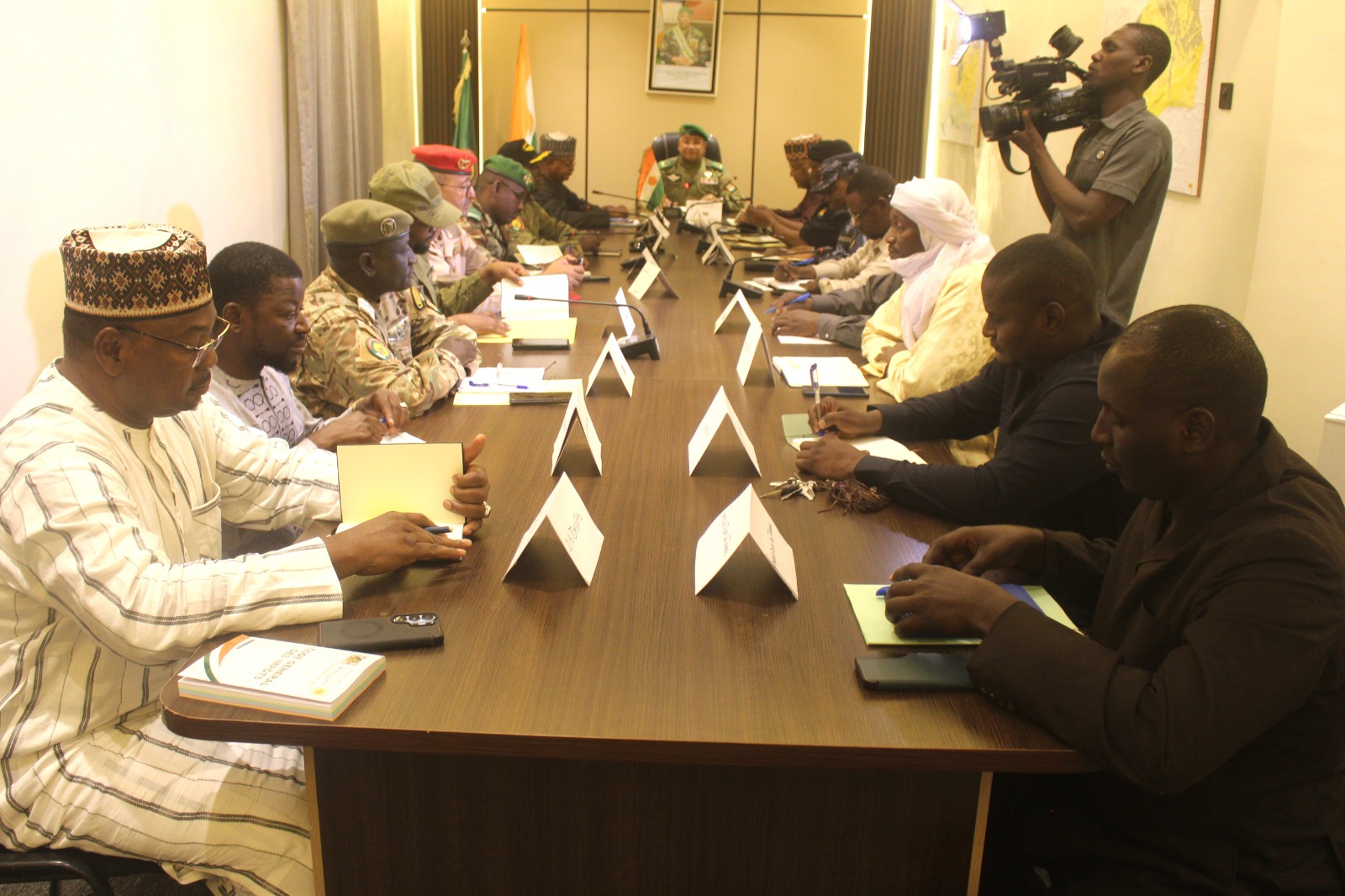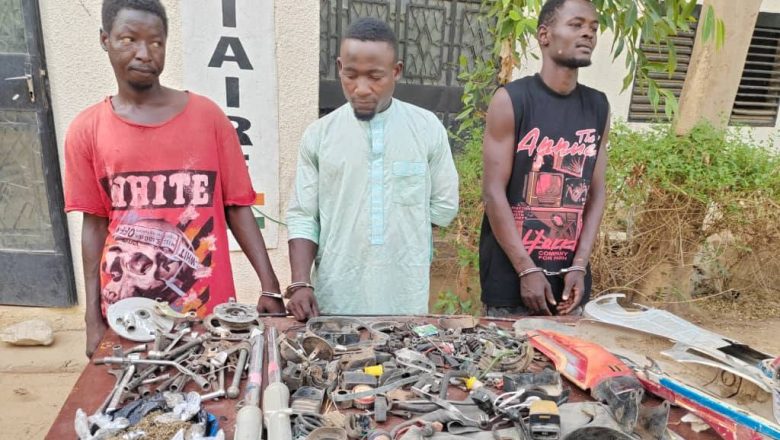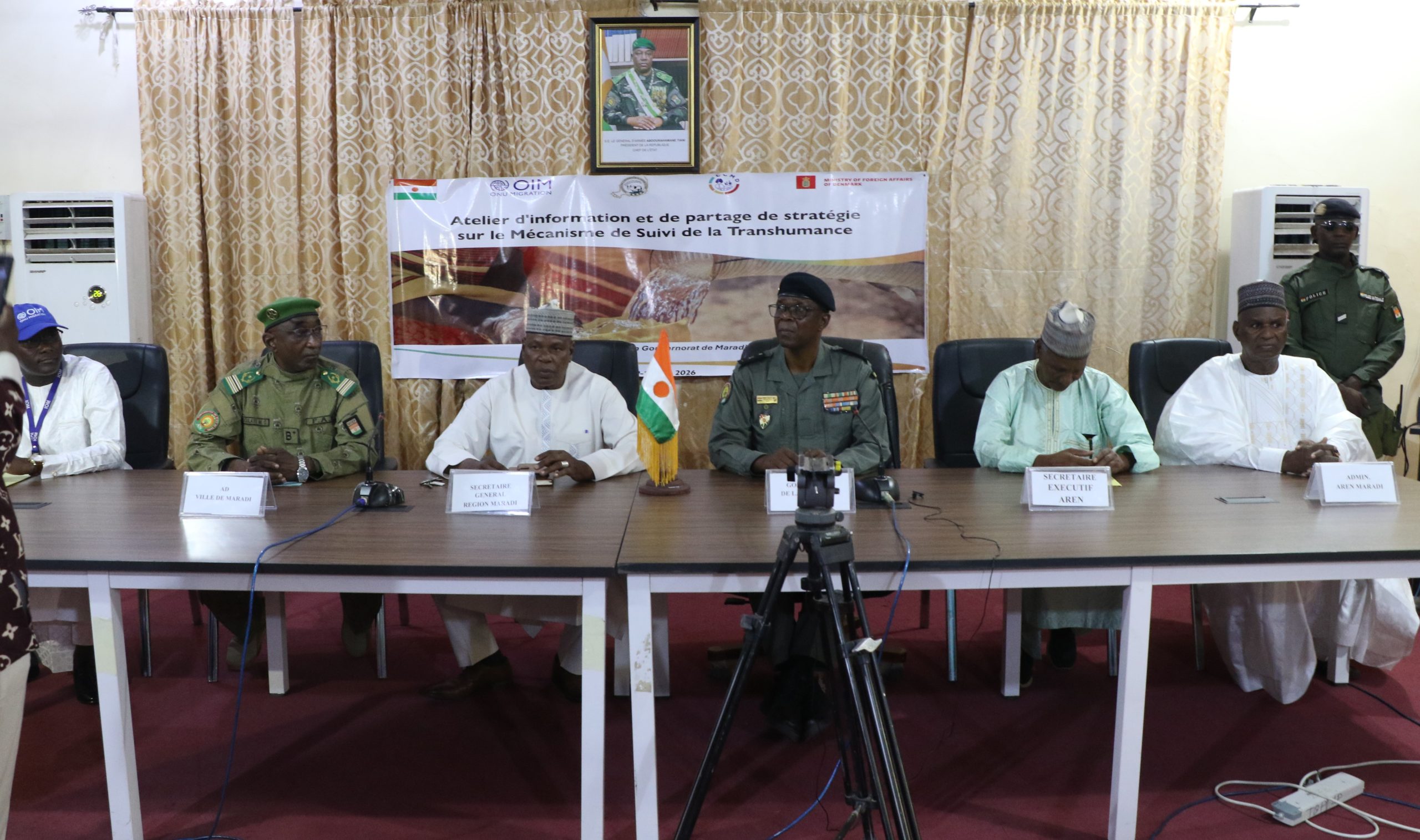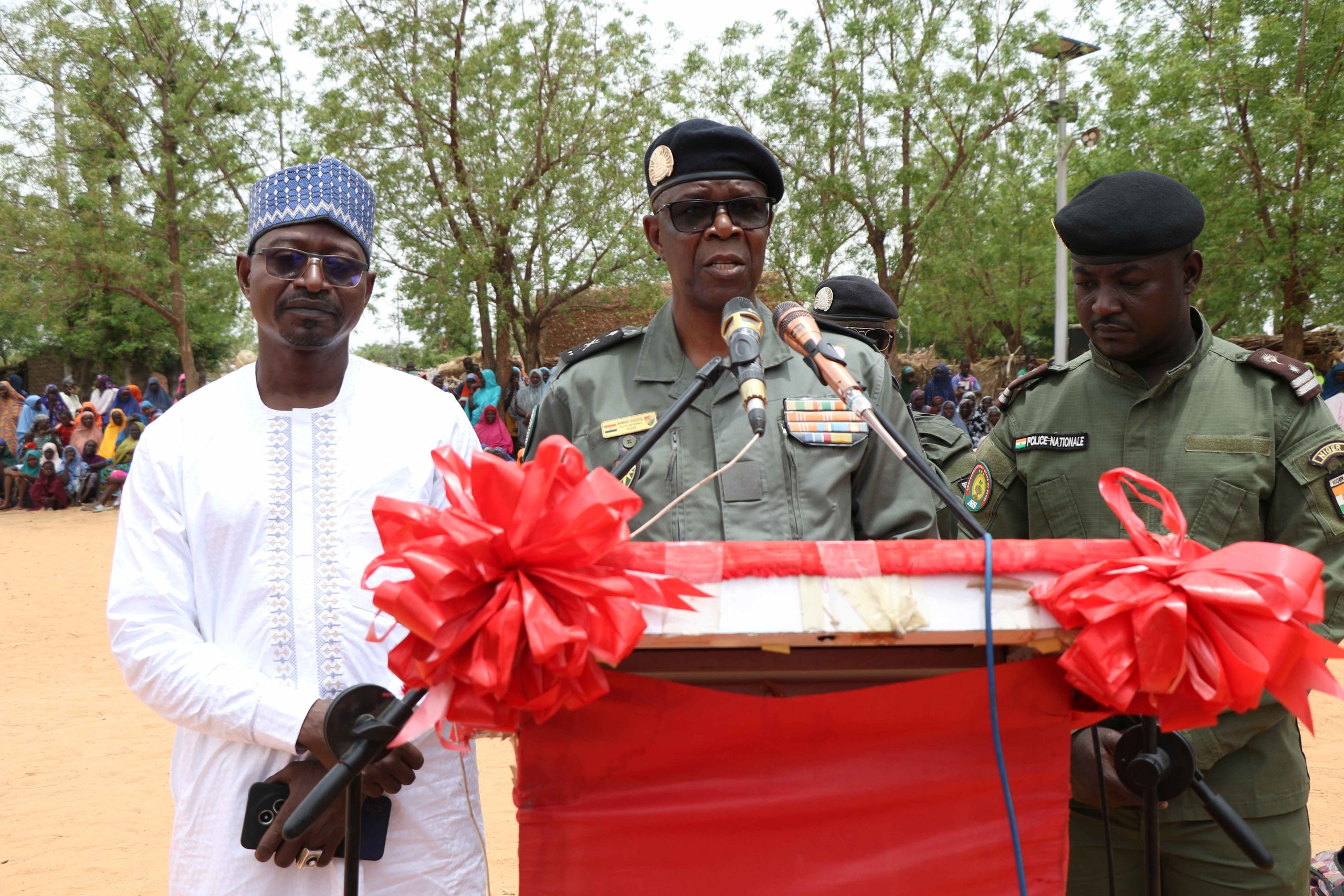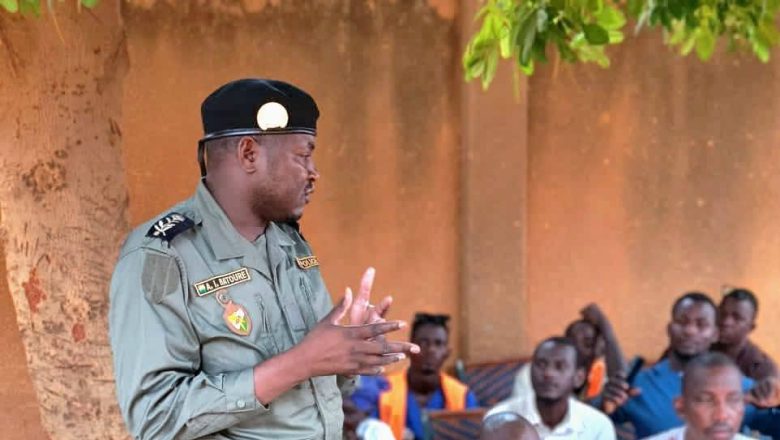
The police commissariat of Kalley Plateau has intensified its awareness actions in several neighborhoods under its jurisdiction, aiming to bolster security and cooperation with residents. These actions are part of community policing, in alignment with the national strategy for proximity security and general mobilization. Police Commissioner Batouré Aminou leads these operations, which involve officers increasing exchanges with residents. This full initiative by the police commissariat seeks to reinforce prevention, improve the circulation of information, and consolidate cooperation between the population and security forces. The proactive approach is designed to foster a stronger bond between law enforcement and the communities they serve, addressing local security concerns through collaborative efforts. As part of this ongoing effort, three new meetings were organized on May 31, June 3, and June 7, 2026, further expanding the reach of the program.
Outreach Activities and Participants
Previous community engagement sessions were conducted across several neighborhoods under the police commissariat's jurisdiction, showcasing a broad and inclusive approach to community policing. These neighborhoods included Gourou Kayna Bantagneydo, Kalley Plateau II, Kalley Plateau Djamba Koira, Gorou Kayna Golay, Cité Députés, and Gorou Kayna Alfa Koira. These meetings brought together a diverse group of local stakeholders and residents to foster direct communication with law enforcement, ensuring that a wide array of voices and perspectives were heard. The strategic selection of these neighborhoods shows the police's commitment to reaching different segments of the urban fabric.
Among the participants in these outreach efforts were key community figures, including the head of the Banizoumbou 2 neighborhood and his accompanying delegation, showing the vital involvement of local leadership in promoting security initiatives. The sessions also engaged various urban transport operators, specifically drivers of Faba-Faba, motorcycle taxis, and tricycles operating along the Kalley Plateau-Gorou Kongou route. Their participation was key, recognizing their critical role in community movement and daily interactions with a large number of residents. Additionally, residents from Dan Zama Koira actively participated in the discussions, contributing to the broader dialogue on local security concerns and offering valuable insights from their lived experiences. The inclusion of these diverse groups aimed to build a full network of vigilance and cooperation.
During these engagements, a particular focus was placed on urban transport operators. Authorities urged them to maintain vigilance and attentiveness while carrying out their duties, emphasizing their unique position as frontline observers in the community. They were specifically asked to refrain from transporting any suspicious packages and to cooperate fully with security forces during routine checks and inspections. This emphasis notes the police's strategy to integrate public transport services into their broader security framework, leveraging their daily interactions with the community for enhanced safety and information flow within the Kalley Plateau region. This directive also aimed to empower these operators as active partners in maintaining public safety.
Key Security Discussions
Discussions during the outreach sessions centered on the current security context, showing the necessity for increased vigilance among residents and close collaboration between the population and security forces. Participants were informed about the evolving security landscape and the collective responsibility required to maintain peace and order. A significant topic addressed was the ongoing fight against disinformation disseminated on social media platforms. Police emphasized the negative effects that false information can have, noting its potential to spread fear, create confusion, or incite risky behaviors within the community. The discussions noted how such misinformation can undermine public trust and security efforts, urging residents to verify information before sharing.
Key points covered during these interactions included the proper use of the biometric national identity card, which is essential for identification and administrative purposes, and the serious consequences associated with consuming narcotics, drugs, and shisha. These substances were identified as detrimental to individual health and community well-being, often linked to other criminal activities. Participants were also reminded of their obligation to report any suspicious individuals or situations they encountered, reinforcing the idea that community members are the eyes and ears of local security. Police representatives outlined existing reporting mechanisms available to the public, assuring participants of the guarantee of confidentiality for those who come forward with information. This assurance was critical in encouraging trust and facilitating the flow of vital intelligence from the community to law enforcement. The discussions aimed to reinforce community awareness and participation in local security efforts, ensuring that residents are well-informed and empowered to contribute to their own safety.
Community Engagement and Future Steps
Participants in the recent community outreach meetings expressed a strong willingness to support the security forces in their efforts, demonstrating a shared commitment to enhancing local security. Residents also indicated their readiness to actively contribute to community surveillance and the maintenance of public order within their neighborhoods. This proactive stance from the community is a positive indicator of the program's success in fostering a sense of shared responsibility. The police commissariat, in turn, emphasized the critical need to restructure and reactivate existing neighborhood vigilance committees as a means to enhance local security initiatives. These committees are seen as vital for fostering a more organized and responsive community-based security framework, allowing for localized problem-solving and rapid response to emerging issues. The commissariat views these committees as cornerstones for sustainable community safety.
Attendees uniformly welcomed the police's initiative, expressing hope for continued direct dialogue between law enforcement and the local populations. This sentiment notes a desire for ongoing engagement and collaboration beyond the initial meetings, indicating that the outreach has successfully built a foundation of trust and open communication. The sessions concluded with a traditional Fatiha, a prayer offered for peace, stability, and the overall prosperity of the country. This concluding gesture showed the shared aspirations for a secure and thriving community, reinforcing the cooperative spirit established during the discussions and symbolizing a collective hope for a brighter, safer future for Kalley Plateau.