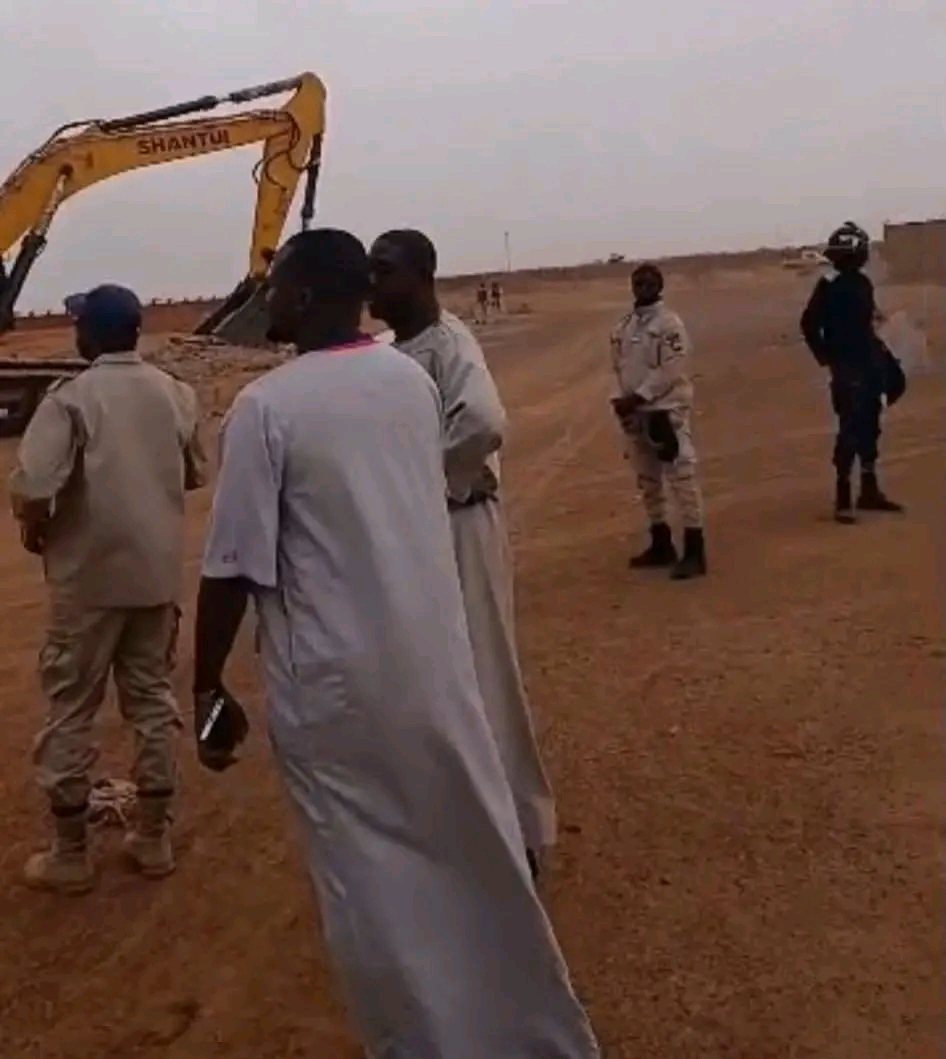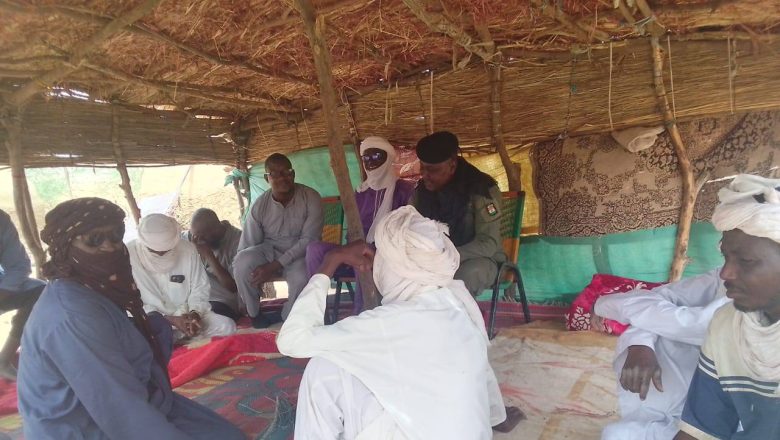
Ayouba Ibrahim Abarchi, the Administrator delegate of the rural commune of Kao and a police officer, conducted a full tour on Monday, June 1, 2026, to engage local communities directly. The tour, which commenced on this significant date, aimed to listen attentively to residents' concerns, remobilize them for collective action, and encourage strong citizen participation in the key affairs of the commune. This initiative by the Administrator sought not only to strengthen community ties but also to proactively address the pressing local concerns that impact daily life for the inhabitants. The visit showed a commitment to fostering a collaborative environment between local governance and the populace, ensuring that community voices are heard and considered in decision-making processes.
Community Concerns and Hopes
During the series of meetings and discussions held throughout the tour, conversations frequently centered on the vital importance of community vigilance, promoting mutual respect among all residents, and fostering enhanced collaboration with local security forces. These themes were noted as foundational elements for maintaining peace and order within the commune. Young people present at these community gatherings voiced significant concerns regarding the scarcity of structured activities available within the community, expressing a desire for more opportunities for engagement and development. Traditional authorities, who play a key role in local governance and social cohesion, made a specific request for increased consultation in decision-making processes. They emphasized that such consultation is indispensable for preventing potential inter-community tensions and fostering a more harmonious social fabric.
Climate Adaptation Project
A key highlight of Administrator Ayouba Ibrahim Abarchi's tour was his visit to the spillway constructed in Louba. This significant infrastructure project was realized through the dedicated efforts of the Projet de Planification et de Financement de l’Adaptation aux Changements Climatiques au Niger (PFAN). The spillway, a tangible symbol of progress and hope for the community, is designed to serve as a key lever for achieving greater autonomy in the face of escalating climate risks. During the visit to this site, officials accompanying the Administrator emphasized that achieving strong local resilience relies on a specific and interconnected equation: peace combined with social cohesion and sustainable resource management. This holistic approach seeks to empower communities to better withstand environmental challenges, adapt to changing conditions, and foster long-term stability and prosperity. The visit to the Louba spillway particularly showed the practical importance of investing in concrete infrastructure projects as a foundational element in supporting effective climate adaptation efforts.
Administrator's Vision
The Administrator delegate, Ayouba Ibrahim Abarchi, conducted focused engagements in the villages of Abonkour Indamane, Imisili, and Louba during the tour. In each of these communities, Mr. Abarchi consistently emphasized citizen participation as the indispensable driving force behind national refoundation efforts. He articulated a vision where active involvement from every citizen is critical for the nation's progress and renewal. During discussions in these specific communities, women, who are often disproportionately affected by environmental changes, voiced profound concerns regarding the severe impact of climate change on agricultural yields and, consequently, on their household food security. The Administrator's approach notes a clear commitment to integrating community voices, particularly those of vulnerable groups most affected by environmental shifts, into broader national development strategies. This participatory model aims to empower local populations, giving them a direct stake and fostering a strong sense of ownership in the implementation of solutions designed to address their most pressing challenges. The Administrator is steadfastly betting on this widespread participation as the ultimate engine for national refoundation, believing it to be the most effective path forward. The article detailing these events was published on June 1, 2026, coinciding with the tour's commencement.