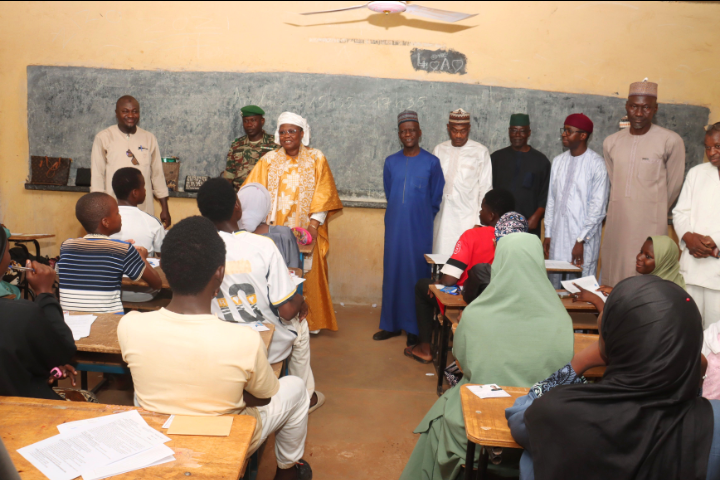
The commune of Kao, located in the Tahoua region, launched its inaugural local drug awareness campaign on Thursday, June 26, 2026. This significant initiative was designed to address drug-related issues within the community, marking a proactive step by local authorities. Organizers timed the campaign's launch to coincide precisely with the International Day Against Drug Abuse and Illicit Trafficking, observed annually on June 26. This strategic alignment aimed to amplify the message and show the commune's commitment to combating drug abuse, leveraging the global observance to highlight local efforts. The campaign represents Kao's first dedicated effort at a local level to raise public consciousness regarding illicit substances and their impact, signifying a new chapter in community-led drug prevention. The choice of this specific date shows the commune's dedication to aligning with international efforts to combat drug abuse and illicit trafficking. This inaugural campaign is a clear signal of the commune's resolve to tackle a pressing social and security challenge head-on.
Campaign Details and Participants
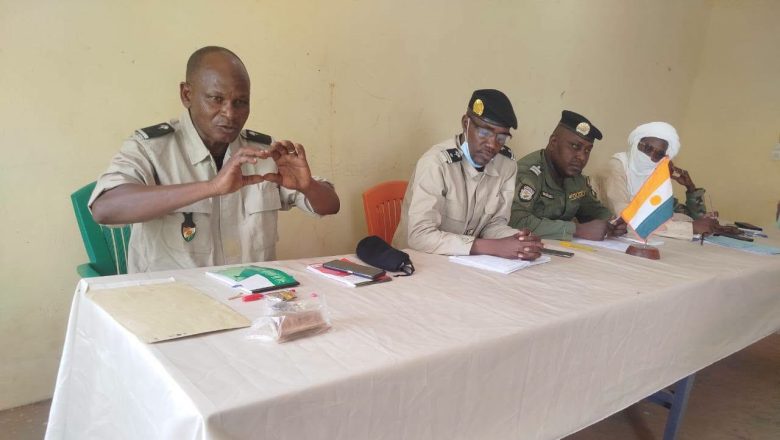
The awareness campaign in Kao united a diverse group of local stakeholders, reflecting a broad community commitment to the cause. Participants included police officers, religious leaders, customary chiefs, environmental officials, and young people. This broad participation aimed to foster a collective approach to addressing drug-related challenges within the commune, ensuring that various segments of society were represented and engaged. A central focus of the campaign was to show the critical role of youth in reporting suspicious activities, empowering them as key partners in maintaining community safety. Organizers also noted the importance of young people resisting social pressure that might lead to drug consumption or involvement in trafficking networks, emphasizing prevention and resilience. The campaign provided a platform for open dialogue and education, reinforcing the message that collective action is essential in tackling drug-related problems. It also sought to build trust between the community and law enforcement agencies, encouraging greater cooperation.
Tahoua's Role in Trafficking
The Tahoua region serves as a documented nodal point for drug trafficking routes extending towards Libya and the Mediterranean, according to official reports. This strategic location places Tahoua at a critical juncture in the movement of illicit substances across the Sahel, making it a significant transit hub. The flow of drugs through the region has been a persistent concern for authorities, contributing to instability and public health challenges. The geographical position of Tahoua, bordering multiple countries, makes it particularly vulnerable to exploitation by international trafficking networks seeking to move illicit goods across the continent. This reality shows the urgency of local initiatives like Kao's campaign in mitigating the broader impact of cross-border criminal activities.
In 2024, the Tahoua region was responsible for all national seizures of certain synthetic drugs, showing its significant role in the illicit drug trade within Niger. The concentration of these seizures in Tahoua notes the region's vulnerability and its importance as a transit hub for traffickers. This situation contributes to the broader challenges faced by communities like Kao in combating drug-related issues, as the presence of trafficking routes often leads to increased local availability and abuse. The data from 2024 paints a stark picture of the region's exposure to the illicit drug trade, further emphasizing the need for strong local and national countermeasures.
Community and Authority Commitment
The campaign was initiated by Police Officer Ayouba Ibrahim Abarchi, who serves as the Delegated Administrator of the Kao commune. During the launch, authorities emphasized the importance of collaboration between civilian populations and the country's Defense and Security Forces (FDS) in combating drug-related challenges, stressing that a unified approach is vital for success. Religious leaders and customary chiefs present at the event reaffirmed their commitment to supporting administrative authorities in the ongoing fight against drugs and delinquency within the commune. Their involvement signals a unified front from local leadership against the proliferation of illicit substances and associated criminal activities, providing key moral and social backing. This collective commitment aims to strengthen the commune's response to the drug trafficking threats impacting the Sahel region and foster a safer environment for its residents. The active participation of these influential community figures is expected to significantly bolster the campaign's reach and effectiveness among the local population.
Broader Security Context
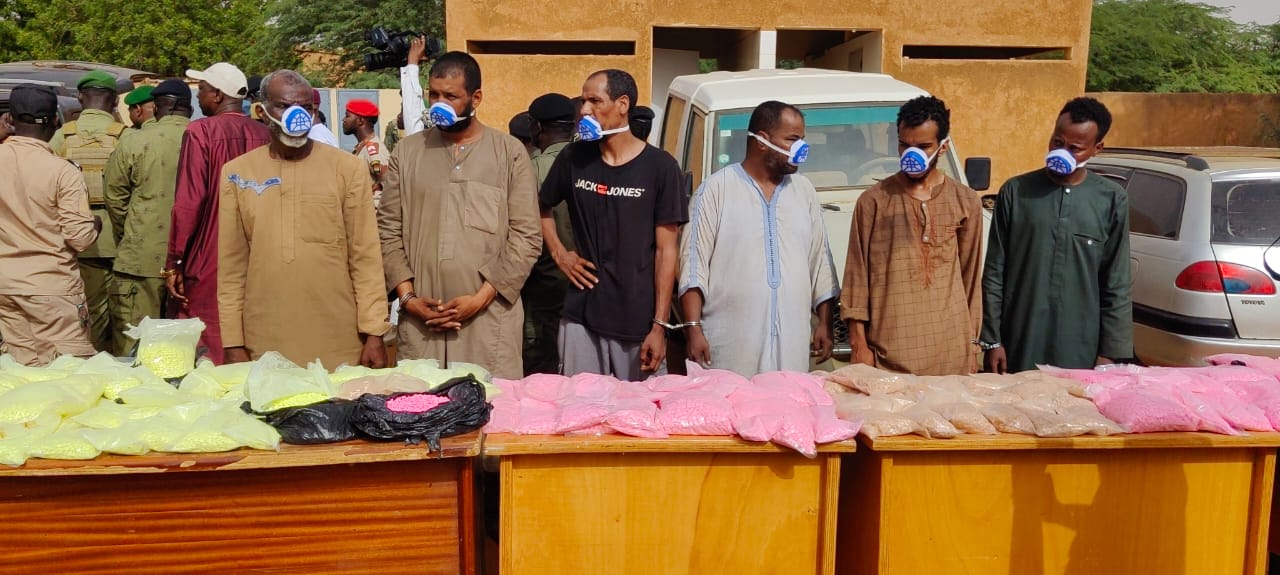
Security officials detailed the drug forms circulating, which include cannabis, tramadol, diverted benzodiazepines, and synthetic substances. This full list notes the diverse array of illicit drugs present in the region, posing varied threats to public health and safety. The presence of both traditional drugs like cannabis and more potent synthetic substances like tramadol and benzodiazepines indicates a complex and evolving drug market. In February 2026, authorities recorded a significant seizure of 800,000 ecstasy tablets, a stark reminder of the scale of the trafficking problem. This record seizure shows the continuous efforts of security forces to intercept large quantities of illicit drugs and disrupt trafficking networks. The campaign aligns with the Nigerien Transition Authorities' encouragement of decentralizing vigilance for national refoundation, promoting local communities as key actors in national security and development. This approach empowers communes like Kao to take ownership of their security challenges and contribute to a more resilient nation.