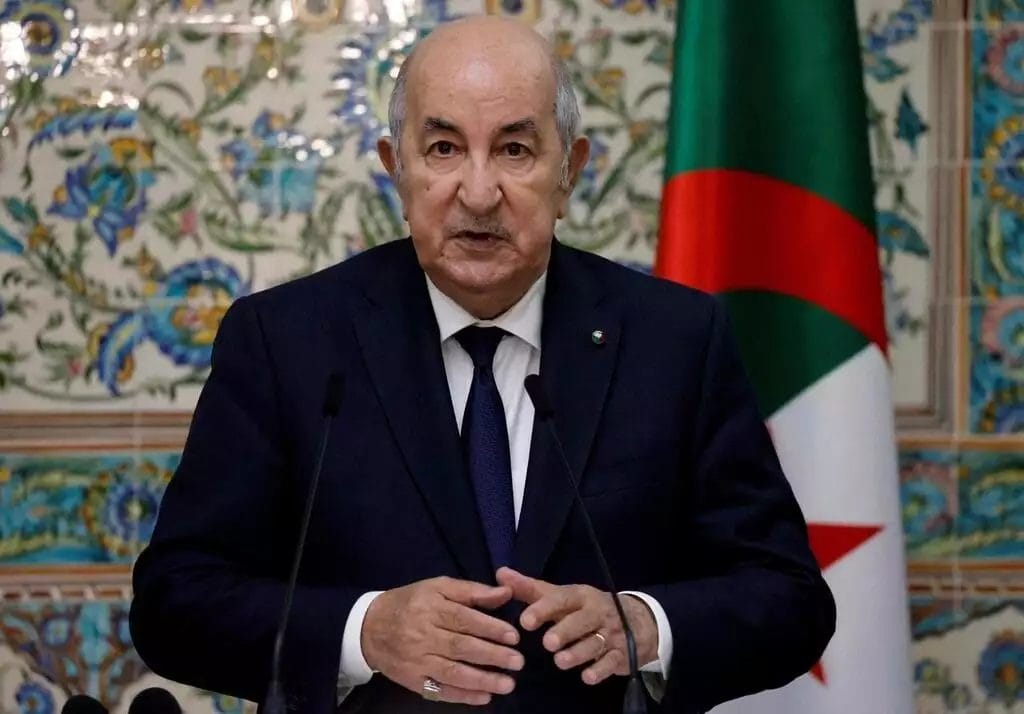
Delegated Administrators recently participated in an atelier d’appui technique in Maradi to enhance their skills in managing the ANFICT fund. This specialized training session was meticulously organized to address the evolving demands of financial administration within local governance structures. The technical support workshop focused intently on practical aspects of fund administration, equipping attendees with the necessary knowledge for effective oversight and transparent resource allocation. Participants convened in Maradi for the specialized training session designed to streamline operations and bolster transparency in ANFICT fund management, ensuring that public resources are utilized optimally for community development. The event aimed to provide full guidance on best practices for financial stewardship, emphasizing both theoretical understanding and practical application in the field. This initiative shows a proactive approach to strengthening the financial management capabilities of those entrusted with local development funds.
Workshop Objectives Detailed
The workshop aimed to significantly improve understanding of the use and justification of funds managed by ANFICT, ensuring that administrators possess a clear and full grasp of their responsibilities. Participants focused on gaining clarity regarding the proper allocation and accountability of these financial resources, which are key for the implementation of local development projects. The training provided detailed instruction on the procedures and requirements for justifying expenditures, ensuring compliance with established guidelines and regulatory frameworks. This careful approach is designed to minimize discrepancies and enhance the integrity of financial reporting. Emphasis was placed on transparent and efficient management practices to optimize the impact of the funds, fostering public trust and ensuring that investments yield tangible benefits for communities.
Delegates learned about the various mechanisms for reporting on fund utilization, including the preparation of financial statements and performance reports, and the critical importance of thorough documentation for audit trails and accountability. The curriculum covered specific aspects of financial oversight, including budgeting processes that align with strategic objectives, efficient disbursement procedures, and strong auditing processes relevant to ANFICT's operations. These components are vital for maintaining fiscal discipline and preventing mismanagement. Training sessions also addressed common challenges in fund management, such as navigating complex procurement rules or managing unforeseen expenditure, and offered practical solutions for addressing them through case studies and interactive discussions. The goal was to equip administrators with advanced knowledge to make informed decisions, mitigate risks, and maintain fiscal integrity across all levels of local government. This focus on practical application was designed to strengthen the overall governance of the funds, ensuring they serve their intended purpose effectively and ethically. The full nature of the training aimed to create a cadre of highly competent financial managers capable of navigating the complexities of public finance.
Context of ANFICT Fund Management
ANFICT, the Agence Nationale de Financement des Collectivités Territoriales, plays a central and indispensable role in the financial architecture supporting local governance across Niger. Established with the explicit mandate to bolster the financial autonomy and operational capacity of territorial collectivités, the agency manages significant funds allocated for local development initiatives, acting as a key conduit for national development priorities reaching the grassroots level. These funds are critical for enabling local authorities to implement projects and provide essential services directly to their communities, ranging from vital infrastructure development such as roads and bridges to critical social programs like education and healthcare facilities. The effective and transparent management of these resources is therefore critical to the success of decentralization policies, which aim to empower local communities, and the overall socio-economic progress of the regions. The agency's mission is deeply intertwined with the nation's broader development agenda, seeking to foster sustainable growth from the ground up.
The agency's structure and operational guidelines are meticulously designed to ensure that financial flows reach their intended beneficiaries efficiently and without diversion, thereby maximizing their developmental impact. This involves a complex interplay of budgeting, allocation, disbursement, and rigorous oversight mechanisms that are constantly refined to meet evolving standards. Delegated administrators, who are on the ground in various localities and serve as the frontline managers of these resources, are instrumental in this process, acting as the custodians of these funds at the local level. Their responsibilities extend to careful project identification, ensuring alignment with community needs, precise expenditure authorization, and the careful documentation required for strong accountability and auditability. The integrity of the ANFICT fund management system relies heavily on the capabilities, diligence, and ethical conduct of these administrators, as they are the direct link between central funding and local execution. Their role is key in translating financial allocations into tangible improvements for citizens.
Ensuring that ANFICT funds are managed in accordance with established national and international financial standards is a continuous and multifaceted effort. This includes strict adherence to procurement rules designed to ensure fairness and value for money, strong anti-corruption measures to safeguard public resources, and full reporting requirements that promote transparency and prevent any misuse of public funds. The agency's unwavering commitment to good governance is clearly reflected in its institutional framework, which places a strong emphasis on capacity building for its local partners. Regular training sessions and workshops, such as the one recently held in Maradi, are integral to this strategy, designed to update administrators on best practices, introduce new financial tools, and ensure compliance with evolving regulatory frameworks. Such initiatives aim to strengthen the financial stewardship of local collectivités, thereby enhancing their ability to deliver on their mandates effectively and responsibly. This ongoing investment in human capital is seen as a cornerstone of sustainable local development.
The funds channeled through ANFICT represent a vital lifeline for local development, empowering communities to address their unique challenges and pursue self-determined growth trajectories that reflect their specific needs and aspirations. The financial resources support a diverse array of projects, including the construction of schools to improve educational access, the establishment of health centers to enhance public health, the development of agricultural infrastructure to boost food security, and the provision of clean water facilities to improve living standards. Through its strong financial mechanisms, ANFICT seeks to empower local authorities, allowing them to respond more effectively and swiftly to the pressing needs of their populations, fostering a sense of ownership and agency at the local level. This decentralized approach to funding fosters greater local ownership and participation in development processes, contributing significantly to more sustainable and impactful outcomes that resonate directly with the communities they serve. The agency's ongoing efforts to refine its fund management processes, including through continuous training and capacity building, show its dedication to maximizing the developmental impact of every allocated dinar, ensuring that public money translates into tangible progress for the citizens of Niger. This commitment to efficiency and effectiveness is a hallmark of ANFICT's operations.
Support for Delegated Administrators
The ongoing technical support for Delegated Administrators, exemplified by workshops like the atelier d’appui technique in Maradi, shows a concerted and strategic effort to strengthen financial governance at the local level. These capacity-building initiatives are key for ensuring the effective and transparent management of funds disbursed by ANFICT, which are fundamental to the progress of local communities. By equipping administrators with enhanced skills and knowledge, the agency aims to foster greater accountability and efficiency in the utilization of resources intended for local development, ensuring that every public investment yields maximum benefit. This sustained support is vital for navigating the complexities inherent in public financial management, particularly within a decentralized framework where local specificities and diverse challenges must be addressed. The continuous professional development of these administrators is recognized as a key factor in achieving sustainable and equitable development outcomes.
Programmes designed for Delegated Administrators often include full modules on financial reporting, covering both national and international accounting standards, auditing standards to ensure fiscal integrity, and strict compliance with national regulations governing public finance. Such training helps to standardize practices across various collectivités, promoting a consistent, reliable, and transparent approach to fiscal responsibility throughout the country. The emphasis is consistently on practical application, enabling administrators to implement learned concepts directly in their daily operations, from budget execution to procurement and financial oversight. This hands-on approach ensures that the theoretical knowledge gained translates into tangible improvements in fund management processes, leading to more efficient resource allocation and greater accountability. The practical exercises and real-world scenarios discussed during these workshops are invaluable for preparing administrators for the challenges they face.
Continuous professional development for these administrators is also key to adapting to evolving financial landscapes, new regulatory requirements, and policy changes that may impact local governance. Regular workshops and follow-up sessions provide essential platforms for addressing emerging challenges, sharing best practices among peers, and fostering a sense of collective responsibility. This collaborative environment helps to build a strong network of competent financial managers who are dedicated to public service and committed to upholding the highest standards of financial stewardship. The significant investment in their professional growth reflects a broader commitment to empowering local authorities to achieve their development objectives with integrity, effectiveness, and a deep understanding of their fiduciary duties. This long-term vision aims to cultivate a strong and resilient system of local financial management.
The support extends beyond technical skills to include key aspects of ethical conduct and good governance, recognizing that sound financial management is as much about integrity as it is about technical proficiency. Administrators are trained to uphold principles of transparency, fairness, and accountability, and to identify and mitigate risks associated with financial mismanagement, including corruption and fraud. This holistic approach aims to cultivate a culture of integrity and public trust within local administration, ensuring that decision-making is always guided by the best interests of the community. The ultimate goal is to ensure that every dinar allocated by ANFICT contributes optimally to the socio-economic progress of the communities it serves, by relying on a cadre of well-trained, ethically-minded, and highly competent Delegated Administrators. This full strategy ensures that public funds are not only managed efficiently but also ethically, reinforcing the foundations of good governance at the local level.