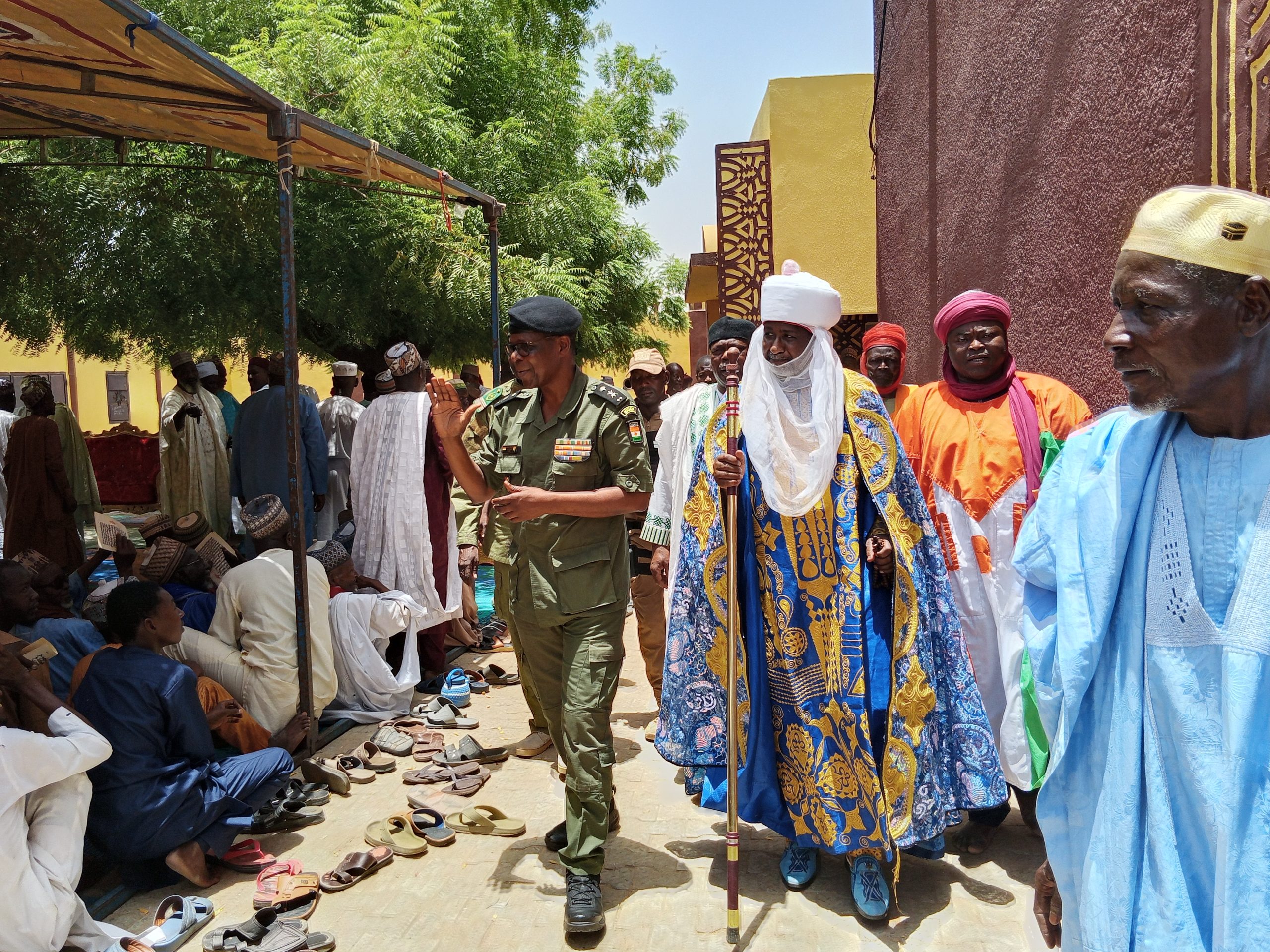
Contrôleur Général de Police Issoufou Mamane, the Governor of the Maradi region, recently participated in a ceremony for the reading of the Holy Quran in Katsina-Maradi. The event marked a significant occasion, drawing attention from local communities and religious leaders in the region. Governor Mamane's presence showed the importance of the religious gathering, emphasizing the official recognition and support for such spiritual initiatives aimed at fostering community well-being. The ceremony itself is a deeply revered practice, symbolizing devotion and a collective quest for divine guidance.
Context of the Ceremony
The ceremony for the reading of the Holy Quran in Katsina-Maradi was held following an appeal issued by the highest authorities of Niger. This significant request from the national leadership aimed to foster peace and stability within the region, recognizing the profound influence of religious practices on societal harmony. This initiative reflects a broader effort by the authorities to engage religious communities in promoting harmonious coexistence and addressing contemporary challenges through spiritual means. The gathering brought together various local leaders and community members, showing the collective commitment to these principles. The participation of Contrôleur Général de Police Issoufou Mamane, the Governor of the Maradi region, further emphasized the official support for such events, illustrating a collaborative approach between governmental and traditional structures. The appeal from Niger's authorities noted the importance placed on spiritual guidance as a foundation for social cohesion and resilience in the face of regional complexities.
Key Figures Present
The ceremony for the reading of the Holy Quran was held at the palace of the Sultan of Katsina-Maradi, Honorable Ahmed Ali Zaki. Sultan Ahmed Ali Zaki graciously hosted the event, which brought together various community leaders, respected religious figures, and a broad representation of local citizens from the region. The attendance of Contrôleur Général de Police Issoufou Mamane, Governor of the Maradi region, alongside the esteemed Sultan, noted the joint leadership supporting the initiative and the shared vision for peace. The setting at the Sultan's palace showed the traditional and religious significance of the gathering, reinforcing the message of unity and peace among the participants through established cultural and spiritual channels. This convergence of administrative and traditional authority at such a sacred event is often seen as a powerful symbol of collective purpose. The event provided a platform for spiritual reflection and community engagement, in line with the objectives set forth by Niger's authorities to strengthen the social fabric.
Significance of the Event
The Quran reading ceremony, which took place on Thursday, May 7, 2026, held considerable significance for the Maradi region. Its occurrence followed a specific appeal from Niger's highest authorities, explicitly seeking to foster peace and stability within the area. This call to spiritual action resonated deeply within the community, prompting a collective response that culminated in this important gathering. The event served as a tangible expression of official and community commitment to these critical objectives, particularly in a region where religious and traditional institutions play a key role in maintaining social cohesion and guiding moral conduct.
Governor Contrôleur Général de Police Issoufou Mamane's presence at the event showed the government's support for initiatives aimed at promoting harmony through spiritual means. This participation signals a recognition of the vital role that faith-based activities and traditional leadership play in fostering a stable and peaceful environment. The ceremony at the palace of Sultan Honorable Ahmed Ali Zaki further noted the collaborative efforts between state authority and traditional leadership, demonstrating a unified front in addressing community needs. Such events are often viewed as platforms for strengthening community bonds, reinforcing shared values, and collectively seeking blessings for the region's prosperity and security. The specific date marked the formal occasion of this collective endeavor, bringing together various leaders and community members to participate in the spiritual exercise, thereby reinforcing a sense of shared identity and purpose.