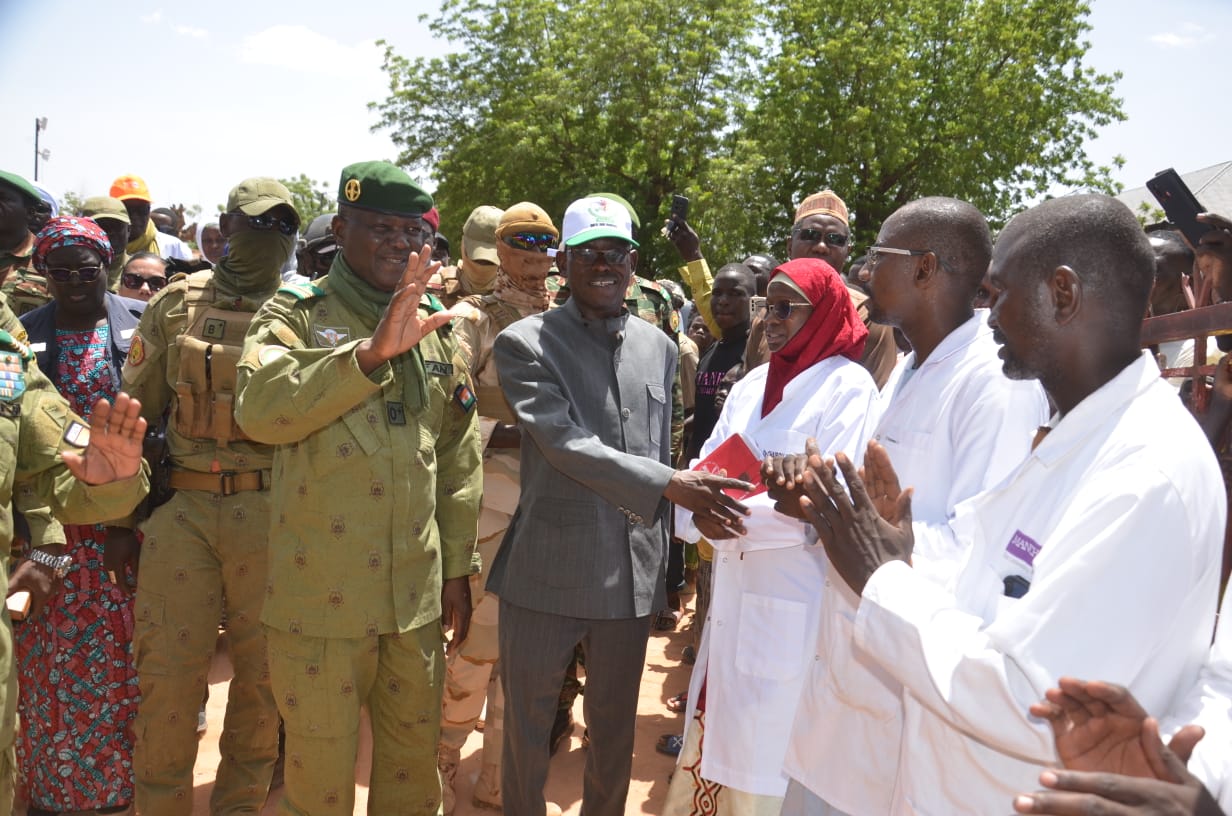
Minister of Health and Public Hygiene, Garba Hakimi, is continuing his work mission in the Dosso Region. This ongoing visit focuses intently on critical health and public hygiene activities within the region, building upon his prior engagements in Dosso. The current mission allows the minister to personally oversee and evaluate the implementation of various health and public hygiene initiatives directly in the area. His continued presence shows a deep commitment to regional health infrastructure and the well-being of its population.
Minister's Itinerary Details
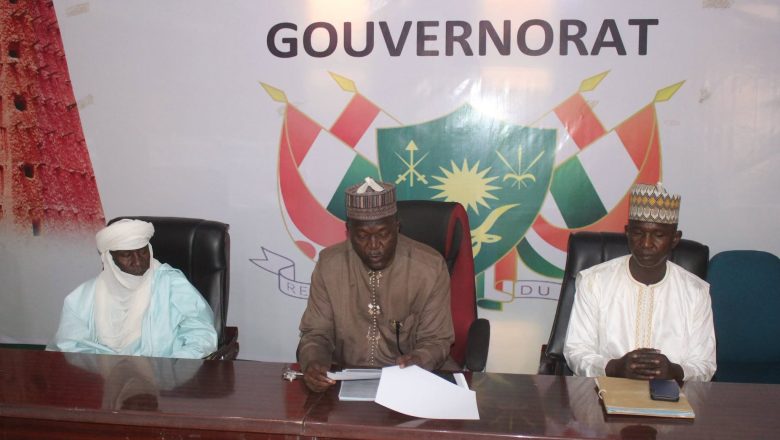
On Thursday, July 2, 2026, Minister of Health and Public Hygiene Garba Hakimi undertook significant visits to the departments of Loga and Boboye as an integral part of his ongoing work mission in the Dosso Region. During these key visits, the Minister was accompanied by the Governor of the Region, Colonel-major Bana Alhassane, noting the collaborative spirit between central and regional administrations. This carefully planned itinerary specifically allowed Minister Hakimi to directly observe the progress and challenges of health and public hygiene initiatives in these particular areas. The stops in Loga and Boboye are not isolated events but form part of a broader series of engagements scheduled across the entire Dosso Region, reinforcing the Minister's unwavering focus on local health infrastructure and the effective delivery of public welfare programs. His direct presence in these departments further shows the administration's commitment to ensuring practical implementation and direct oversight of health policies at a regional level, reaching communities beyond the capital. These on-site assessments are vital for understanding the real-world impact of health strategies.
Mission Objectives and Context
The mission undertaken by Minister Garba Hakimi is explicitly defined as a work mission within the Dosso Region, emphasizing its operational nature. This designation clearly indicates that the primary focus of the visit is on the direct supervision, evaluation, and practical assessment of activities related to health and public hygiene initiatives. The minister's deliberate presence in key areas such as Loga and Boboye aims to provide direct oversight of ongoing projects and programs, ensuring they align with national health objectives. This hands-on approach allows for a firsthand assessment of operational effectiveness, identification of potential challenges, and understanding of local needs within the regional health infrastructure. The nature of the mission shows a strong commitment to practical engagement and rigorous monitoring of policy implementation, rather than serving purely ceremonial or diplomatic functions. Minister Hakimi's activities are meticulously geared towards ensuring that the intended objectives of health and public hygiene campaigns are not only launched but are also effectively realized and sustained at the local level, directly benefitting the communities they serve. This direct engagement is considered key for accountability and progress.
Regional Engagement
Minister Garba Hakimi’s visit to the Dosso Region included extensive and direct engagement with local authorities and community representatives. He specifically visited the departments of Loga and Boboye, where he met with various stakeholders, including health practitioners, local leaders, and community members. During these interactions, the Minister personally evaluated the progress of health and public hygiene initiatives firsthand, gaining valuable insights into their practical application and impact in these areas. Colonel-major Bana Alhassane, Governor of the Dosso Region, consistently accompanied Minister Hakimi during these regional stops, showing the strong and essential collaborative efforts between central and local administrations in addressing public health concerns. This direct interaction allowed for detailed discussions on strategies for improving public services, addressing specific local needs, and overcoming operational hurdles. The engagements were meticulously designed to ensure the effective and full implementation of health policies across the entire region, fostering a sense of shared responsibility and collective progress. The insights gathered during these visits are instrumental in shaping future health strategies and resource allocation.