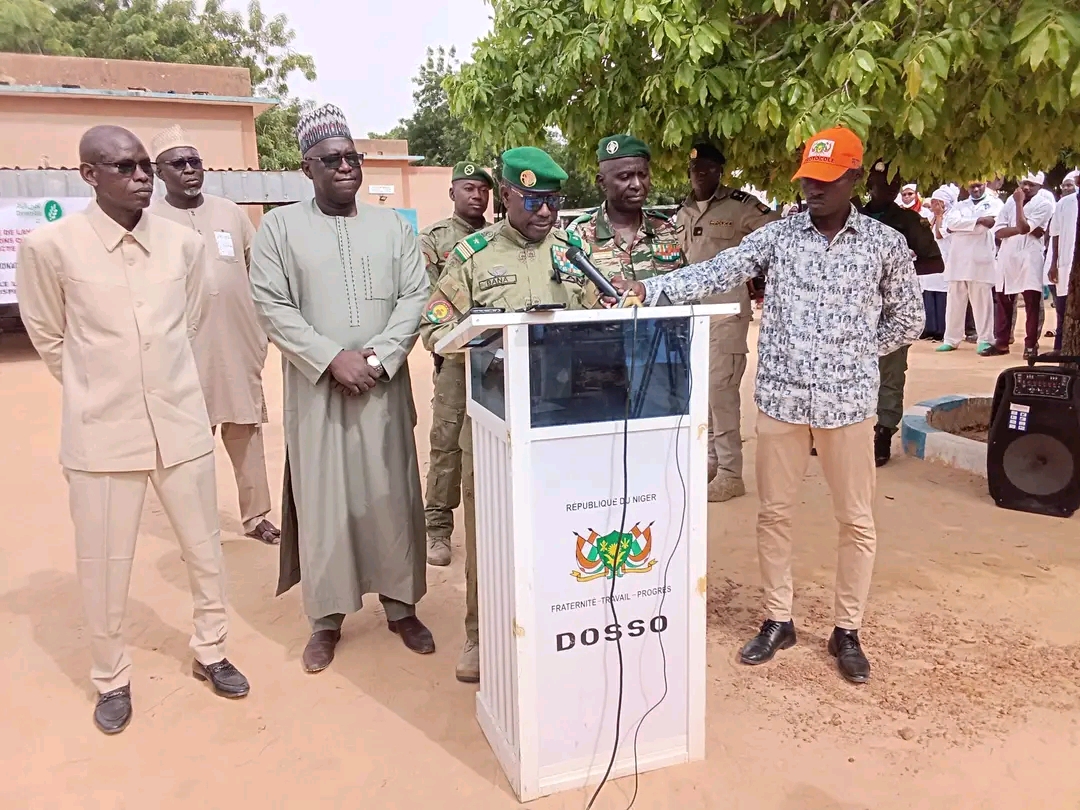
The Ministre de la Santé (Minister of Health) conducted an inspection of health structures in the departments of Malbaza and Madaoua, located within the Tahoua region of Niger. The visit aimed to assess the operational status and needs of these medical facilities. This tour by the Ministre de la Santé shows the government's focus on healthcare infrastructure across various regions. The inspection included a detailed review of equipment, staffing levels, and patient care protocols at the visited sites. Officials accompanying the Minister engaged with local health personnel to gather direct feedback on challenges and potential improvements. The assessment in Malbaza and Madaoua is part of a broader initiative to strengthen the public health system throughout Tahoua.
Tour of Malbaza Facilities
The Ministre de la Santé continued his official visit in the Tahoua region with a detailed inspection of health facilities located in Malbaza. This component of the tour focused on evaluating the operational readiness and specific challenges faced by healthcare providers in the Malbaza department. The Minister's delegation engaged directly with medical staff, administrative personnel, and local authorities to gather full insights into the day-to-day functioning of these critical services.
During the Malbaza segment, the Ministre de la Santé examined various aspects of the local health infrastructure. This included a review of medical equipment availability, the condition of existing facilities, and the adequacy of pharmaceutical supplies. Discussions also covered human resource allocation, with particular attention paid to the number of doctors, nurses, and support staff serving the population of Malbaza. The objective was to identify any disparities or shortages that might hinder effective healthcare delivery.
The inspection itinerary within Malbaza encompassed several key health centers and hospitals. At each location, the Ministre de la Santé observed patient reception processes, consultation rooms, and specialized service areas, such as maternity wards and emergency units. He inquired about the common ailments presented by patients and the current referral systems in place for cases requiring more advanced medical intervention. Officials accompanying the Minister documented observations and feedback from the ground.
A primary goal of the Malbaza visit was to ascertain the effectiveness of public health programs in the area, particularly those related to maternal and child health, vaccination campaigns, and the management of prevalent infectious diseases. The Minister sought to understand how these programs were being implemented at the local level and what obstacles, if any, were impeding their success. The engagement with frontline workers provided valuable perspectives on the practical challenges encountered in remote or underserved communities within Malbaza.
The Ministre de la Santé also took the opportunity to discuss future development plans for the health sector in Malbaza. This included potential upgrades to existing infrastructure, the acquisition of new medical technologies, and strategies for attracting and retaining qualified health professionals in the region. The visit concluded with assurances from the Minister regarding the government's commitment to improving healthcare access and quality for all residents of Malbaza, as reported by the Agence Nigérienne de Presse.
Focus on Madaoua Health Centers
The Ministre de la Santé proceeded with a full inspection of health centers in the department of Madaoua, within the Tahoua region of Niger. This segment of the official tour focused on evaluating the operational status and specific needs of medical facilities serving the Madaoua population. The Minister's delegation engaged directly with local health personnel, administrative staff, and community representatives to gain insights into the prevailing healthcare challenges and opportunities for improvement.
During the visit to Madaoua, the Ministre de la Santé meticulously examined various aspects of the local health infrastructure. This included a detailed review of the availability and condition of medical equipment, the structural integrity and cleanliness of existing facilities, and the adequacy of pharmaceutical and medical supply inventories. Discussions also covered human resource allocation, with particular attention paid to the staffing levels of doctors, nurses, and support personnel required to meet the healthcare demands of the region.
The inspection itinerary within Madaoua encompassed several key health centers and district hospitals. At each location, the Ministre de la Santé observed patient flow, consultation procedures, and the functioning of specialized departments, such as maternity wards, pediatric units, and emergency reception areas. He inquired about the most common health issues reported by patients and assessed the current referral systems in place for cases requiring more advanced medical interventions at higher-level facilities. Officials accompanying the Minister systematically documented observations and feedback received from the ground.
A primary objective of the Madaoua visit was to ascertain the effectiveness of public health programs implemented in the area. Particular emphasis was placed on initiatives related to maternal and child health, the reach and success of vaccination campaigns, and the strategies employed for the management and prevention of prevalent infectious diseases. The Minister sought to understand the practical implementation of these programs at the local level and identify any obstacles that might be impeding their success or limiting their impact. Engagement with frontline healthcare workers provided valuable perspectives on the challenges encountered in providing services in remote or underserved communities within Madaoua.
The Ministre de la Santé also took the opportunity to discuss future development plans for the health sector in Madaoua. This included potential upgrades to existing infrastructure, the acquisition of new medical technologies to enhance diagnostic and treatment capabilities, and strategies for attracting and retaining qualified health professionals in the region. The visit concluded with assurances from the Minister regarding the government's ongoing commitment to improving healthcare access and quality for all residents of Madaoua.
Regional Health Context
The visit by the Ministre de la Santé to health facilities in the departments of Malbaza and Madaoua centered on the Tahoua region, a significant administrative and geographical area in Niger. This inspection forms part of a broader governmental effort to assess and bolster public health infrastructure outside the capital. The Tahoua region, like many expansive regions, presents unique challenges for healthcare delivery, including geographical dispersion of communities, varying access to resources, and the need for strong logistical support to ensure consistent medical supply chains.
The region's health context often necessitates focused attention on primary healthcare services, preventative medicine, and the capacity of local health centers to manage common ailments and emergencies before requiring referral to more specialized facilities. Such ministerial visits aim to directly observe the operational realities faced by medical personnel and to identify gaps in resource allocation or infrastructure that may hinder effective patient care. Understanding the specific demographic and epidemiological profiles of areas within Tahoua, such as Malbaza and Madaoua, is key for tailoring health policies and interventions to local needs. The presence of the Ministre de la Santé on the ground allows for direct engagement with local health authorities and staff, fostering a collaborative approach to addressing these regional health disparities. This direct engagement is essential for ensuring that national health strategies are effectively implemented at the regional and local levels, ultimately impacting the well-being of residents across the Tahoua region.
Ministerial Objectives and Future Plans
The Ministre de la Santé's visit to Tahoua showed broader governmental objectives to enhance public health services across Niger. The inspections in Malbaza and Madaoua were designed to provide first-hand insights into operational challenges and resource needs at the local level. These assessments are critical for informing future policy decisions and investment strategies aimed at strengthening the national healthcare system. The Ministry plans to use the collected data to prioritize infrastructure upgrades, medical equipment procurement, and human resource development, particularly in underserved regions. Efforts will focus on improving access to essential healthcare services, reinforcing preventative medicine programs, and ensuring the equitable distribution of medical personnel and supplies. The Ministre de la Santé emphasized the government's commitment to implementing sustainable solutions that address the specific health demands of each region, ultimately contributing to better health outcomes for all citizens.