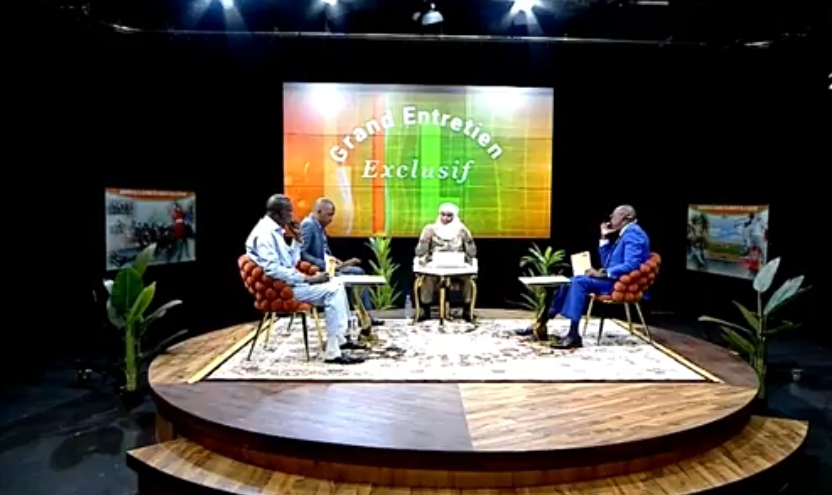
The Minister of Youth recently outlined a vision for promoting artists and strengthening integration within the Alliance of Sahel States (AES) during an interview. The discussion centered on initiatives aimed at supporting artistic talent across member nations and fostering closer regional ties through cultural exchange. The Minister emphasized the importance of leveraging art and culture as tools for social cohesion and economic development within the AES framework.
Boosting Artistic Talent
The Ministre de la jeunesse (Minister of Youth) noted the critical role of cultural initiatives in empowering young artists across the Alliance of Sahel States (AES). The Minister’s vision centers on creating a supportive ecosystem for artistic development, ensuring that emerging talents have the resources and platforms necessary to thrive within the region. This strategy involves a multi-faceted approach, addressing both educational and practical needs of artists.
Key components of the Minister's plan include the establishment of specialized training programs designed to enhance artistic skills and foster entrepreneurial acumen among young creatives. These programs are intended to cover a wide range of disciplines, from traditional arts to contemporary digital media, reflecting the diverse cultural heritage and modern artistic expressions within the Sahel. The goal is to equip artists with the technical proficiency and business knowledge required to sustain their careers and contribute to the creative economy.
The Minister emphasized the importance of facilitating access to markets for artists within the AES and beyond. This involves developing regional art fairs, exhibitions, and cultural exchanges that can showcase the rich artistic output of member states. Such platforms are expected to increase visibility for artists, connect them with potential buyers and collaborators, and promote cross-cultural understanding among the populations of the Sahel. The integration of digital platforms is also a central tenet, aiming to provide artists with broader reach and opportunities in the global art market.
Another significant aspect of the Minister's vision is the creation of funding mechanisms and grants specifically tailored to support artistic projects and productions. These financial incentives are designed to alleviate some of the economic challenges often faced by artists, allowing them to focus on their creative work without undue financial strain. The Minister indicated that these funds would be administered transparently, with a focus on impact and accessibility for artists from various backgrounds.
The Ministre de la jeunesse also showed the necessity of protecting intellectual property rights for artists. Strengthening legal frameworks and raising awareness about copyright issues are considered vital steps to ensure artists receive fair compensation for their work and to prevent unauthorized use of their creations. This protection is viewed as fundamental to fostering a professional and equitable environment for artistic practice within the AES.
In promoting regional integration through culture, the Minister articulated plans for collaborative projects that involve artists from different AES member states. These joint ventures are intended to encourage dialogue, share artistic techniques, and celebrate the shared cultural heritage of the Sahel. Such collaborations are expected to reinforce a sense of collective identity and solidarity among the youth of the region, using art as a powerful medium for unity. The overall strategy seeks to position the AES as a vibrant hub for artistic innovation and cultural exchange, driving both social cohesion and economic growth through the creative sector.
Strengthening AES Integration
The Ministre de la jeunesse articulated a full strategy aimed at deepening the integration within the Alliance of Sahel States (AES) by leveraging the cultural sector as a unifying force. The Minister's vision extends beyond mere artistic promotion, positioning cultural collaboration as a cornerstone for fostering shared identity and mutual understanding among member nations. This approach seeks to intertwine artistic development with broader regional objectives, promoting social cohesion and shared prosperity across the Sahel.
A core component of this integration strategy involves the establishment of joint cultural initiatives and exchange programs between AES member states. These programs are designed to facilitate direct interaction among artists from diverse backgrounds, enabling the exchange of techniques, artistic philosophies, and cultural narratives. By creating platforms for collaborative art projects, the Minister aims to dissolve perceived boundaries and highlight the rich, interconnected heritage of the Sahel region. These initiatives are expected to cultivate a stronger sense of community and solidarity, transcending national borders through shared creative endeavors.
The Minister also emphasized the importance of harmonizing cultural policies and regulatory frameworks across the AES. This includes discussions on standardizing intellectual property rights protection to ensure artists receive consistent and fair treatment throughout the alliance. A unified approach to cultural governance is intended to create a more predictable and supportive environment for artists, encouraging cross-border collaborations and the free flow of creative works within the AES market. Such standardization is viewed as critical for building a strong regional creative economy that benefits all member states.
The strategy includes plans for developing regional cultural infrastructure, such as shared exhibition spaces, performance venues, and digital archives that are accessible to artists and audiences across the AES. These shared resources would not only provide essential platforms for artistic expression but also serve as tangible symbols of regional unity. The Minister envisions these cultural hubs as centers for innovation and dialogue, attracting talent and investment to the region and showcasing the collective artistic prowess of the Sahel to a global audience.
The integration efforts also encompass educational partnerships, with a focus on establishing common curricula for arts education and vocational training programs within the AES. This alignment would ensure that young artists receive comparable quality instruction and skills development, facilitating mobility and collaboration across member states. By nurturing a uniformly skilled artistic community, the Minister believes the AES can collectively elevate its cultural output and strengthen its position as a significant cultural force. This holistic approach, blending artistic development with regional integration, reflects a strategic endeavor to build a more cohesive and prosperous future for the Alliance of Sahel States.
Broader Impact and Future
The Ministre de la jeunesse (Minister of Youth) concluded the discussion by emphasizing the broad implications of the proposed initiatives for both the artistic community and the broader socio-economic landscape of the Alliance of Sahel States (AES). The Minister articulated a vision where art and culture serve as fundamental pillars for sustainable development, contributing to economic diversification and improved social cohesion across the member nations. This strategy is designed to create a ripple effect, extending beyond the creative sector to influence various aspects of regional life.
The long-term impact of these programs is expected to foster a stronger sense of shared identity among the youth of the AES. By promoting cross-cultural understanding and collaborative projects, the initiatives aim to build bridges between different communities, reducing potential sources of tension and reinforcing a collective regional consciousness. The Minister noted that a unified cultural front could significantly bolster the AES's position on the international stage, showcasing its rich heritage and dynamic artistic talent.
Economically, the Minister anticipates that a thriving creative sector will generate new opportunities for employment and entrepreneurship within the Alliance of Sahel States. By investing in artistic training, market access, and intellectual property protection, the strategy seeks to transform cultural assets into tangible economic drivers. This includes attracting foreign investment, boosting cultural tourism, and creating a sustainable ecosystem where artists can professionalize their craft and contribute meaningfully to the regional economy. The integration of digital platforms is considered key for expanding the reach and commercial viability of AES artists in global markets.
Looking ahead, the Ministre de la jeunesse indicated that the successful implementation of these cultural policies would require continued collaboration among AES member states and sustained investment in the creative industries. The Minister showed the importance of monitoring progress and adapting strategies to meet evolving needs, ensuring that the initiatives remain relevant and impactful for future generations of artists and citizens within the Alliance of Sahel States. This forward-looking approach aims to solidify the role of culture as an indispensable element in the region's overall development agenda.