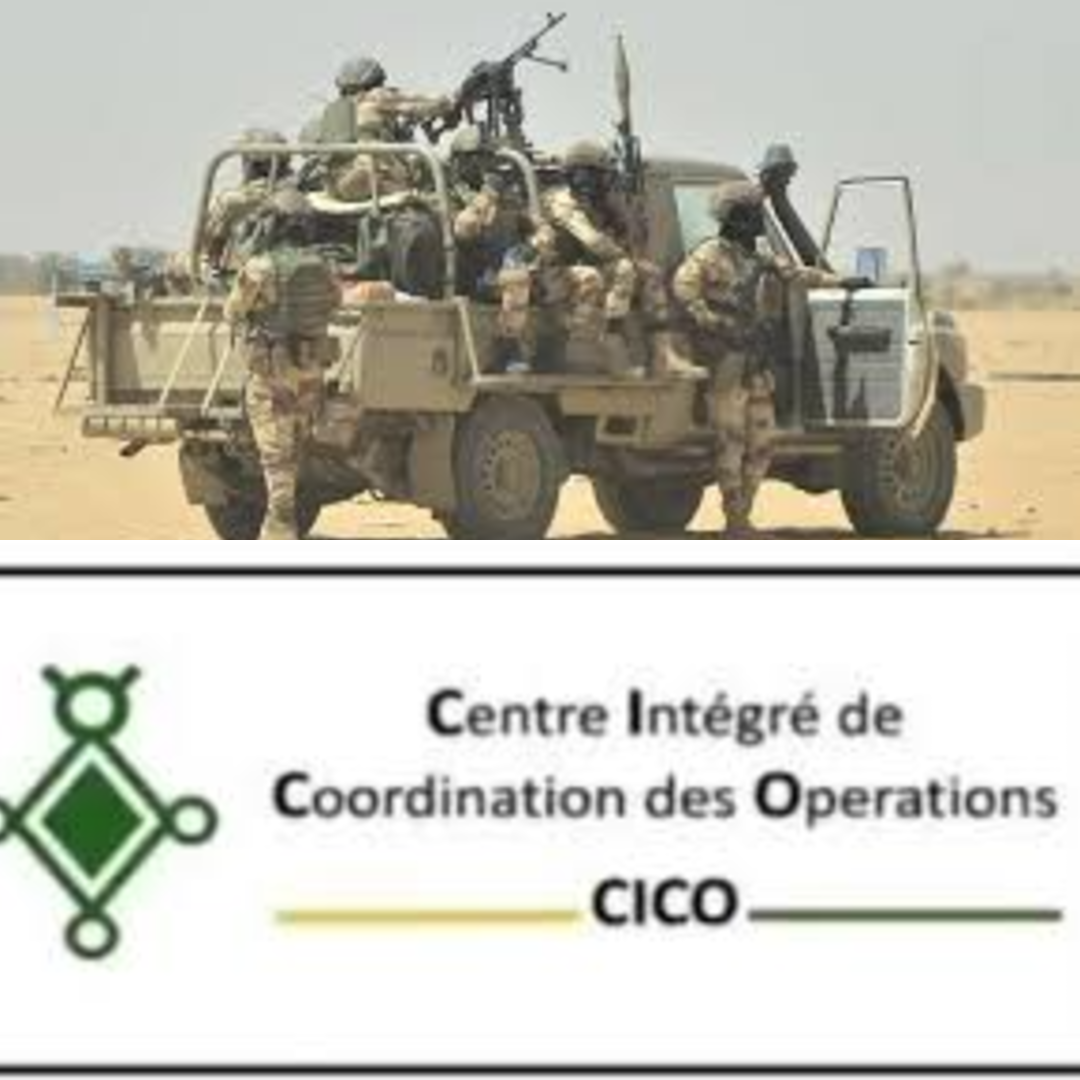
Niger's defense and security forces neutralized at least six mercenaries and armed bandits across multiple fronts between June 7 and 12, 2026. The operations targeted various locations within the country, according to official reports, demonstrating a strong response to persistent security challenges. The action by Nigerien forces aimed to counter escalating security threats posed by these groups, which have been a source of instability and violence in several regions. Authorities described the operations as a significant effort to stabilize regions affected by insurgent activity and maintain public order, illustrating the government's resolve to protect its citizens and territorial integrity. The focused interventions by the defense and security forces show the government's unwavering commitment to addressing the widespread presence of armed elements within its borders. These actions were part of a broader push to assert control and protect communities from violence, ensuring the safety and well-being of the population. The successful neutralization of these individuals is seen as a critical step in disrupting the networks and capabilities of those who seek to destabilize the nation.
The operational success notes the strategic importance of coordinated military efforts in combating non-state armed actors. By targeting multiple fronts simultaneously, the defense and security forces aimed to prevent these groups from regrouping or relocating easily, thereby maximizing the impact of their interventions. The operations were meticulously planned and executed, relying on intelligence gathering and rapid deployment capabilities to engage the targets effectively. This proactive approach is essential in a region where armed groups often exploit vast, challenging terrains to evade capture and continue their illicit activities. The government's emphasis on official reports ensures transparency and accountability regarding the outcomes of these critical security missions. The ongoing commitment to confronting these threats head-on reflects a national priority to secure peace and foster an environment conducive to development and progress.
Operation Details and Scope
From June 7 to 12, 2026, Nigerien defense and security forces initiated a large-scale operation that showcased significant inter-unit cooperation. The joint effort was officially named "BOUWOL" or "Nettoyage," the latter being the Fulfulde term for "Cleaning," reflecting the objective to purge areas of armed elements. Units from Operation NIYA, which patrols the right bank of the river, collaborated smoothly with forces from Operation DAMISSA, responsible for the left bank, to execute the mission. This coordinated action aimed to comprehensively address security challenges within the designated operational areas, covering a significant geographical expanse. The combined forces sought to enhance stability and counter the activities of armed groups in the region, demonstrating a unified approach to national security. The strategic decision to involve both Operation NIYA and Operation DAMISSA shows the holistic nature of the security strategy, ensuring that no potential safe havens or transit routes for armed groups are overlooked.
The operational planning for "BOUWOL" or "Nettoyage" involved extensive intelligence sharing and logistical coordination between the participating units. This careful preparation was key for the successful engagement and neutralization of the armed bandits and mercenaries. The forces employed a range of tactics, including reconnaissance, rapid deployment, and direct engagement, tailored to the specific threats encountered in different locations. The objective extended beyond mere containment, focusing on actively dismantling the operational infrastructure of these groups. The period between June 7 and 12, 2026, was characterized by sustained efforts across diverse terrains, from riverine areas to more remote landlocked zones, reflecting the adaptability and resilience of the Nigerien forces. The success of this joint operation serves as a testament to the improved capacity and interoperability of Niger's defense and security apparatus. By effectively "cleaning" these areas, the forces aimed to restore the freedom of movement and economic activity for local populations, who often bear the brunt of insecurity.
Context of Regional Security
The security situation in Niger is intricately linked to the broader challenges facing the Sahel region, a vast and complex geographical area. The area has experienced persistent instability due to the activities of various armed groups, including those with known affiliations to extremist organizations, which exploit existing vulnerabilities. These groups frequently exploit porous borders and vast, sparsely populated territories to conduct their operations, which include cross-border incursions, illicit trafficking, and brutal attacks on civilian populations and security forces. The presence of these actors has led to significant humanitarian crises, displacing millions of people from their homes and exacerbating existing vulnerabilities within local communities, creating urgent needs for aid and protection. Governments across the Sahel, including Niger, have been engaged in ongoing efforts to counter these threats, often relying on regional partnerships and international support to bolster their capabilities. The transnational nature of these threats necessitates a collaborative and integrated approach from all affected states.
The complex security landscape is further complicated by socio-economic factors, such as widespread poverty, limited access to essential resources, and governance challenges, which can be exploited by armed groups for recruitment and operational support. These underlying issues provide fertile ground for radicalization and sustained insurgency. Niger, in particular, shares extensive borders with several countries that are also grappling with similar security concerns, making a coordinated regional approach absolutely essential for long-term stability. The country has been a frontline state in the fight against insurgency, deploying its security forces to protect its citizens and maintain territorial integrity against relentless pressures. These national efforts are often complemented by multinational initiatives aimed at intelligence sharing, joint patrols, and capacity building for local security forces, enhancing the collective response. The continuous flow of information and resources among regional partners is vital to track and disrupt the movements and activities of these highly mobile armed groups.
The recent operations by Nigerien forces against mercenaries and armed bandits reflect the country's proactive stance in addressing these multifaceted threats through direct action. These interventions are part of a continuous strategy to disrupt the logistical networks and operational capabilities of such groups, thereby weakening their ability to project power and influence. The government has consistently emphasized its unwavering commitment to restoring peace and stability in affected regions, recognizing that security is an indispensable prerequisite for sustainable development and progress. The regional context, marked by shared threats and interconnected challenges, necessitates a sustained and adaptive response from Niger and its neighbours, fostering resilience against common adversaries. The actions taken by the defense and security forces show the determination to confront and neutralize elements that seek to undermine national and regional security through violence and intimidation. The ongoing efforts are critical for safeguarding the lives and livelihoods of the population, which frequently bear the brunt of the instability caused by these non-state armed actors, enduring displacement, economic disruption, and loss of life.
The strategic importance of Niger's geographical position cannot be overstated, as it lies at the crossroads of various regional security dynamics. This positioning makes it both a target and a key partner in regional counter-terrorism efforts. The presence of armed groups not only threatens internal stability but also poses a significant risk to regional trade routes and humanitarian corridors. Therefore, the success of operations like "BOUWOL" or "Nettoyage" has implications beyond Niger's immediate borders, contributing to the broader security architecture of the Sahel. The government's investment in its defense and security forces, including specialized training and modern equipment, reflects a long-term vision for achieving lasting peace. This commitment is also evident in its active participation in regional security frameworks, demonstrating a belief in collective security solutions. The sustained pressure on armed groups aims to diminish their capacity to recruit, finance their operations, and execute attacks, thereby gradually eroding their influence over vulnerable populations.
Impact and Future Outlook
The recent operations by Niger's defense and security forces against mercenaries and armed bandits are expected to bolster confidence in the government's capacity to maintain internal security and protect its citizens. The interventions, which resulted in the neutralization of at least six individuals between June 7 and 12, 2026, could significantly disrupt the operational capabilities of armed groups active within the country, creating a more secure environment. Authorities in Niamey anticipate that such decisive actions will contribute to a more stable environment, especially in regions previously affected by insurgent activities, allowing for a return to normalcy for many communities. This stability is key for fostering trust between the government and its citizens, reinforcing state authority in areas where it has been challenged.
Moving forward, the success of operations like "BOUWOL" or "Nettoyage" may pave the way for increased economic activity and improved humanitarian access in areas where security concerns have historically been a significant barrier. By reducing the threat posed by armed groups, the government aims to create conditions conducive to investment, commerce, and the delivery of essential services. Hamza Harouna Adamou, a local leader, has previously expressed the community's desire for sustained security efforts to protect livelihoods and infrastructure, noting the practical benefits of these operations for daily life. Continued vigilance by Nigerien forces, including units from Operation NIYA and Operation DAMISSA, will be key to prevent the resurgence of these groups and consolidate the gains made. The government's strategy is likely to involve not only direct military engagement but also efforts to secure borders more effectively and enhance intelligence gathering to pre-empt future threats before they materialize. This multi-pronged approach is designed to create a full security umbrella.
The long-term outlook for Niger's security situation hinges on several interconnected factors, including intensified regional cooperation and addressing underlying socio-economic vulnerabilities that armed groups often exploit to gain traction. Sustainable security solutions require more than military action; they demand holistic development strategies. Persistent efforts to strengthen local governance and provide essential services in remote areas could further isolate these elements from the communities they seek to influence, diminishing their support base. While the immediate impact of the recent operations is positive, authorities recognize the dynamic and adaptive nature of the threats, necessitating continuous evaluation and adjustment of strategies. Therefore, continuous adaptation of security strategies and sustained resource allocation will be necessary to ensure lasting peace and stability across Niger, building resilience against future challenges. The commitment to safeguarding its citizens and territorial integrity remains a core priority for the nation's leadership, guiding all policy and operational decisions.
The sustained application of military pressure, combined with efforts to address root causes of instability, forms the cornerstone of Niger's long-term security vision. This includes initiatives to promote education, create employment opportunities, and improve access to healthcare, particularly in marginalized regions. Such development efforts are critical in countering the narratives propagated by armed groups and offering a viable alternative to disaffected youth. Strengthening justice systems and promoting the rule of law are essential components of building a stable and equitable society, where grievances can be addressed through legitimate channels. The government's proactive stance in conducting operations like "BOUWOL" or "Nettoyage" sends a clear message that it will not tolerate the presence of armed elements threatening the nation's peace and prosperity. The international community's continued support, through capacity building, intelligence sharing, and humanitarian aid, will also play a vital role in reinforcing Niger's efforts to achieve enduring security and foster sustainable development across the Sahel.