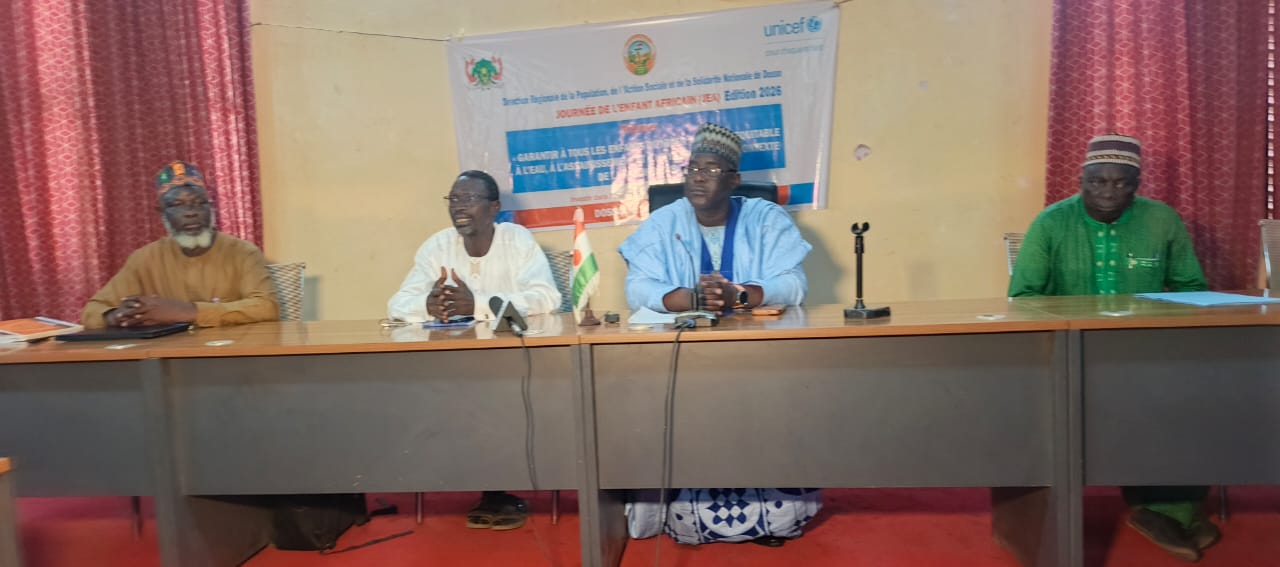
A significant conference marking the celebration of African Child Day was held on Tuesday, June 16, 2026, in the meeting room of the Dosso governorate. This gathering served as a key occasion to reflect on the fundamental rights of children, particularly focusing on their well-being and development. Organizers of the event placed a strong emphasis on the particular importance of ensuring access to water, sanitation, and hygiene for children in the region, recognizing these as cornerstones of public health and child protection. The conference brought together various stakeholders to address these critical issues, showing the collective commitment to improving the lives of young individuals.
Advocacy and Speakers
M. Djibrina Nalokoyo, a respected divisionnaire at child protection, delivered the first address of the day, setting a serious and reflective tone for the proceedings. During his speech, he showed the ongoing efforts being made by various African nations, including Niger, to align their national policies and practices with World Health Organization (WHO) standards concerning water and sanitation. These initiatives are not merely aspirational; they aim to significantly improve public health outcomes and ensure children's well-being across the continent. Such measures are considered absolutely key for the healthy development of children, particularly in regions where access to clean water and adequate sanitation facilities remains a significant and often life-threatening challenge. The emphasis on adhering to WHO standards reflects a deep-seated commitment to international best practices for child protection and health, striving to provide every child with a safe and healthy environment.
Persistent Challenges
Despite these concerted efforts and international guidelines, equitable access to sanitation and health facilities continues to present significant challenges, particularly for children. The disparities in the availability and quality of these essential services persist across various communities, impacting the well-being and development of young populations in profound ways. Many regions still struggle with ensuring adequate infrastructure and resources to meet the basic sanitation and health needs of all residents, leading to preventable diseases and hindering educational attainment. These persistent issues contribute to a cycle of vulnerability, affecting children's health outcomes, educational opportunities, and overall quality of life. Addressing these long-standing obstacles requires concerted efforts and sustained investment to bridge the gaps in service provision and promote more equitable access for every child, ensuring that no child is left behind due to lack of basic necessities.
Historical Context and Rights
The foundational framework for children's rights is firmly established by both international and African conventions, which specifically outline entitlements such as non-discrimination and access to water as fundamental human rights. The observance of African Child Day itself is deeply rooted in historical events, commemorating the tragic 1976 Soweto uprising where children courageously demonstrated against the injustices of apartheid in South Africa. This powerful historical context shows the enduring significance of children's activism in advocating for fundamental rights globally, reminding current generations of the sacrifices made for freedom and equality. The day serves as a poignant reminder that the fight for children's rights, including the right to basic necessities like clean water and sanitation, is an ongoing global endeavor that demands continuous attention and action.
Call to Action
The ceremony was presided over by M. Boureima Mossi Mahamadou, the esteemed Secretary General of the Dosso Region, who represented the Governor at this important event. His official presence showed the regional administration's unwavering commitment to addressing the critical issues noted during the conference. The Secretary General's key role in leading the proceedings further emphasized the official recognition of the discussions surrounding children's rights and access to essential services as a top priority for the region. The event served as a vital platform for various stakeholders, including government officials, child protection advocates, and community leaders, to engage in constructive dialogue and plan collective actions. The ultimate goal is to improve the living conditions for children in the Dosso region, particularly regarding the pressing challenges related to water and sanitation, thereby securing a healthier and more prosperous future for the younger generation.