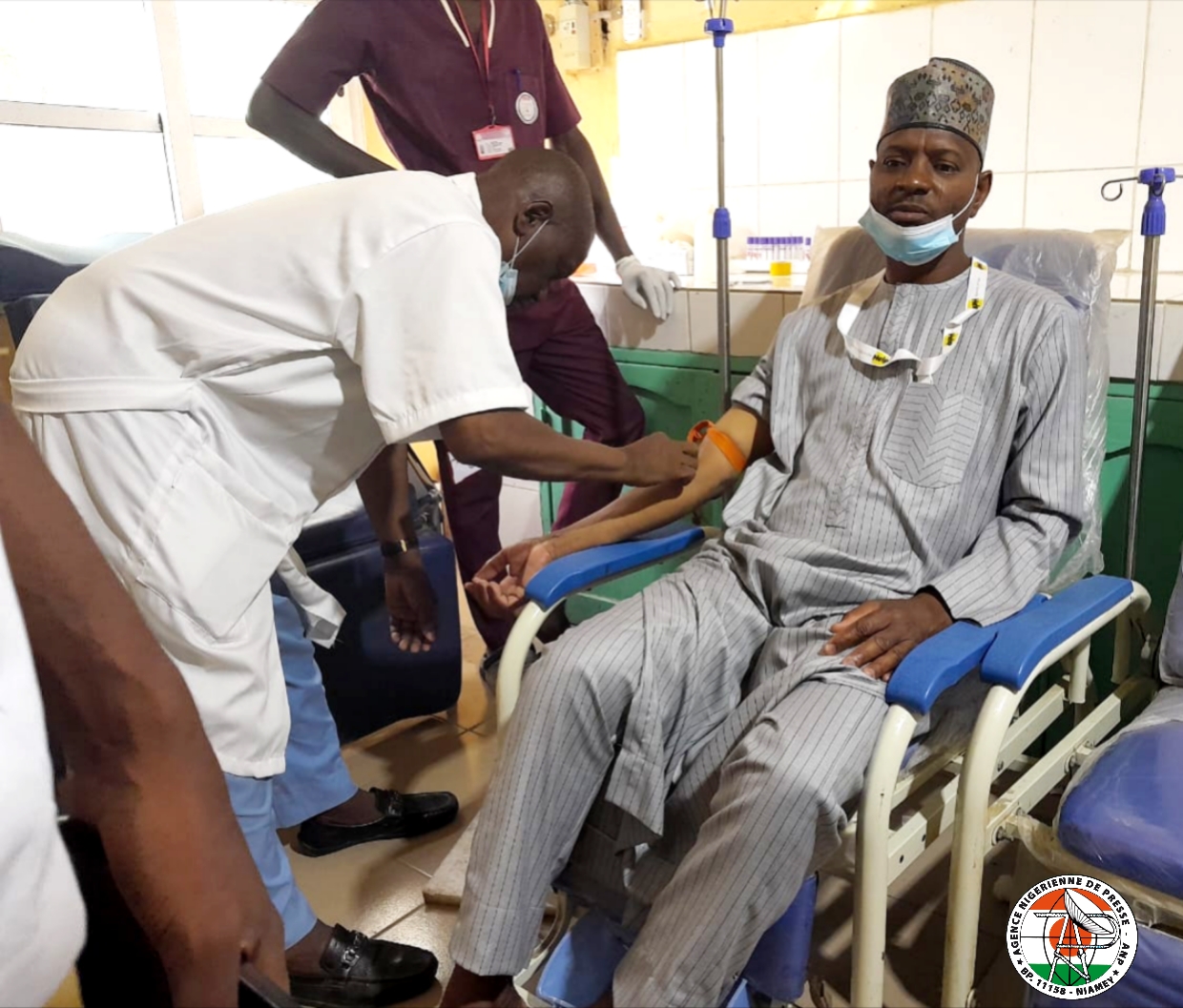
The international NGO Help organized a voluntary blood donation session at the Diffa Regional Blood Transfusion Center (CRTS) in Diffa, Niger. This key initiative aimed to bolster local blood reserves, addressing a persistent need within the region's healthcare system. The event successfully gathered donors from the community to contribute to the critical medical supply, showing a collective effort to support public health. The session was specifically held at the facilities of the CRTS of Diffa, providing a centralized and equipped location for the collection process.
Campaign Objectives and Context
The blood donation drive is an integral part of the project titled "Sécurité alimentaire, paix et développement pour les personnes déplacées, les retournées et les populations d’accueil vulnérables dans la région de Diffa (WAF06)." This broader initiative, which encompasses various humanitarian and developmental activities, aims to address food security, peace, and development needs for displaced persons, returnees, and vulnerable host communities within the Diffa region. The activity receives substantial support from German Cooperation, contributing significantly to the resources necessary for its implementation and the successful collection of blood donations. This collaboration notes the international commitment to improving living conditions and health outcomes in the area. The overall objective of these efforts is to strengthen the local health infrastructure and provide essential medical supplies to those in need, particularly the most vulnerable segments of the population.
Collaborative Effort Details
The voluntary blood donation session was organized through a strong collaborative effort involving several key partners. The international NGO Help coordinated the event, working closely in conjunction with the national NGO CERCLE DEV. This partnership between international and local organizations ensured a full approach to planning and execution. Further operational support and logistical assistance came directly from the Regional Blood Transfusion Center (CRTS), which not only hosted the drive at its facilities in Diffa but also provided the necessary medical expertise and equipment for safe blood collection. Local participation was also highly significant, with the youth structures of Diffa actively contributing to the organization and mobilization of donors from across the community. This multi-organizational approach aimed to maximize reach and efficiency in collecting blood, directly addressing regional medical needs. The partnership showed a unified commitment to bolstering public health infrastructure and ensuring the availability of critical blood supplies for vulnerable populations within the Diffa region.
Importance of Blood Reserves
The campaign aims specifically to strengthen blood reserves within the health facilities across the Diffa region. This initiative addresses a critical and ongoing need for medical supplies, particularly given seasonal demands that often strain existing resources. The requirement for blood products is notably elevated during the rainy season, a period when various health challenges, including malaria and other waterborne diseases, often increase, leading to a higher demand for transfusions. Ensuring a sufficient stock of blood is therefore essential for timely and effective medical interventions, potentially saving lives and improving patient outcomes for individuals across the area. Adequate blood supplies are a cornerstone of effective emergency and routine medical care.
Event Logistics and Support
The blood donation campaign took place on Wednesday, August 26, 2026. This specific date allowed for the careful coordination of resources and volunteers from all participating entities, including Help, CERCLE DEV, and the Diffa Regional Blood Transfusion Center (CRTS). The event was meticulously structured to facilitate donor participation and streamline the collection process at the CRTS facilities, ensuring a smooth and efficient experience for all involved. Logistics included setting up multiple collection stations, providing clear instructions to donors, and ensuring the continuous availability of qualified medical personnel to manage the donations effectively and safely. The active involvement of youth structures in Diffa was instrumental in mobilizing community members, raising awareness about the importance of blood donation, and encouraging attendance at the session. Their efforts were key in fostering community engagement and ensuring a successful turnout for this vital public health initiative.