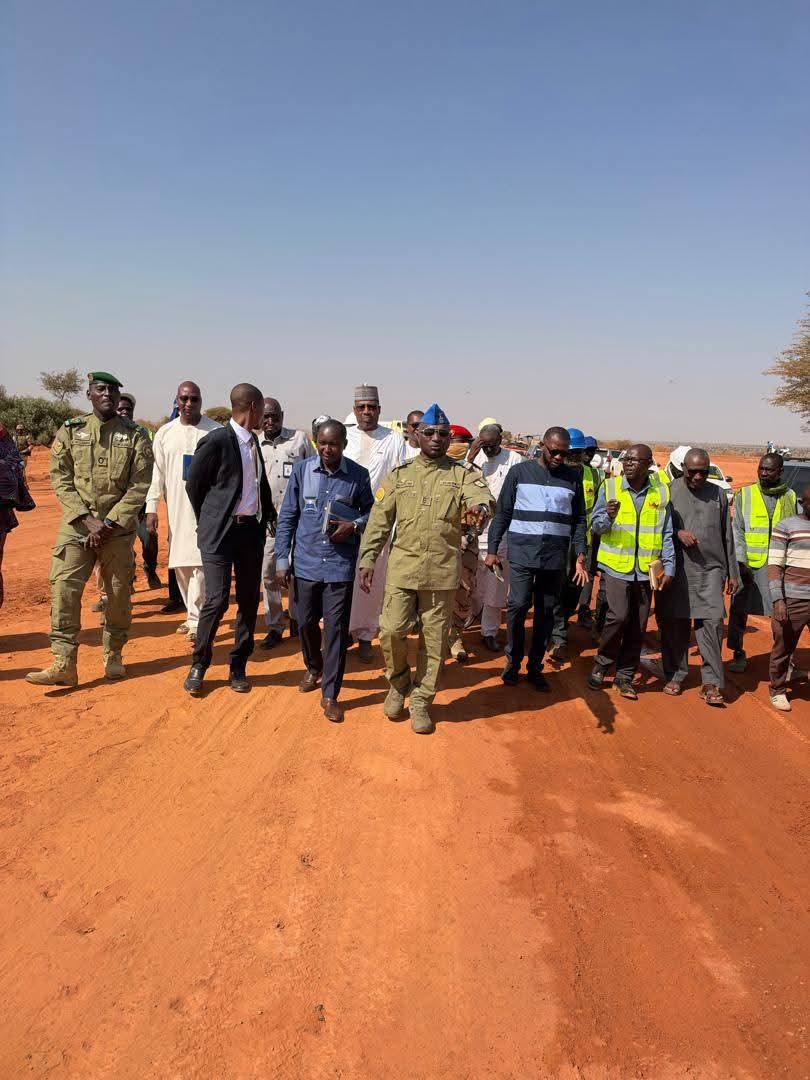
The Administrator of the City of Niamey, Colonel Boubacar Soumana Garanké, issued a formal order on 4 November 2026 to regulate the use of commercial equipment on public roads. This administrative directive targets kiosks, shops, sheds, commercial shelters, and shacks currently positioned along boulevards, major arteries, and main traffic axes throughout the capital.
Official documentation regarding the order specifies that the measure aims to protect sanitation infrastructure and ensure free pedestrian movement within the city. Additional stated objectives include the improvement of road user safety and the preservation of public communal land.
The scope of this regulation is full, applying specifically to all kiosks, shops, sheds, commercial shelters, and shacks located on boulevards, major arteries, and main traffic axes in Niamey. By identifying these specific types of structures, the administration of Colonel Boubacar Soumana Garanké seeks to address the physical presence of commercial assets that have expanded into public thoroughfares. The directive serves as a formal framework for the management of these structures, which are now subject to the new regulatory standards established by the municipal authority.
The stated objectives of the order are to protect sanitation infrastructure, ensure free pedestrian movement, improve road user safety, and preserve public communal land. These goals are detailed in the official documentation released by the office of the Administrator of the City of Niamey. Regarding the protection of sanitation infrastructure, the order emphasizes the necessity of keeping drainage systems and public utilities clear of permanent or semi-permanent commercial obstructions. By removing kiosks and sheds from primary traffic routes, the administration intends to facilitate unobstructed access for maintenance teams responsible for the city’s sanitation networks.
The requirement to ensure free pedestrian movement is a primary driver behind the regulation. The presence of commercial shelters and shacks along major arteries has historically encroached upon walkways, forcing pedestrians to navigate around these structures. Under the new directive, the city aims to reclaim these spaces to improve safety for those walking along the city’s main corridors. This initiative is explicitly linked to the broader goal of improving road user safety, as the removal of these obstacles is expected to enhance visibility and reduce congestion for both vehicles and pedestrians.
The preservation of public communal land is the final pillar of the order issued by Colonel Boubacar Soumana Garanké. The directive asserts that land designated for public use must be maintained for the benefit of the community at large rather than being occupied by private commercial equipment. By enforcing these regulations, the administration of Niamey is establishing a clear protocol for the use of space along boulevards and main traffic axes. The documentation confirms that these measures are intended to restore the intended function of public roads, ensuring that they remain accessible and safe for all residents. The implementation of this order on 4 November 2026 marks a significant step in the administrative oversight of commercial activity within the capital city.