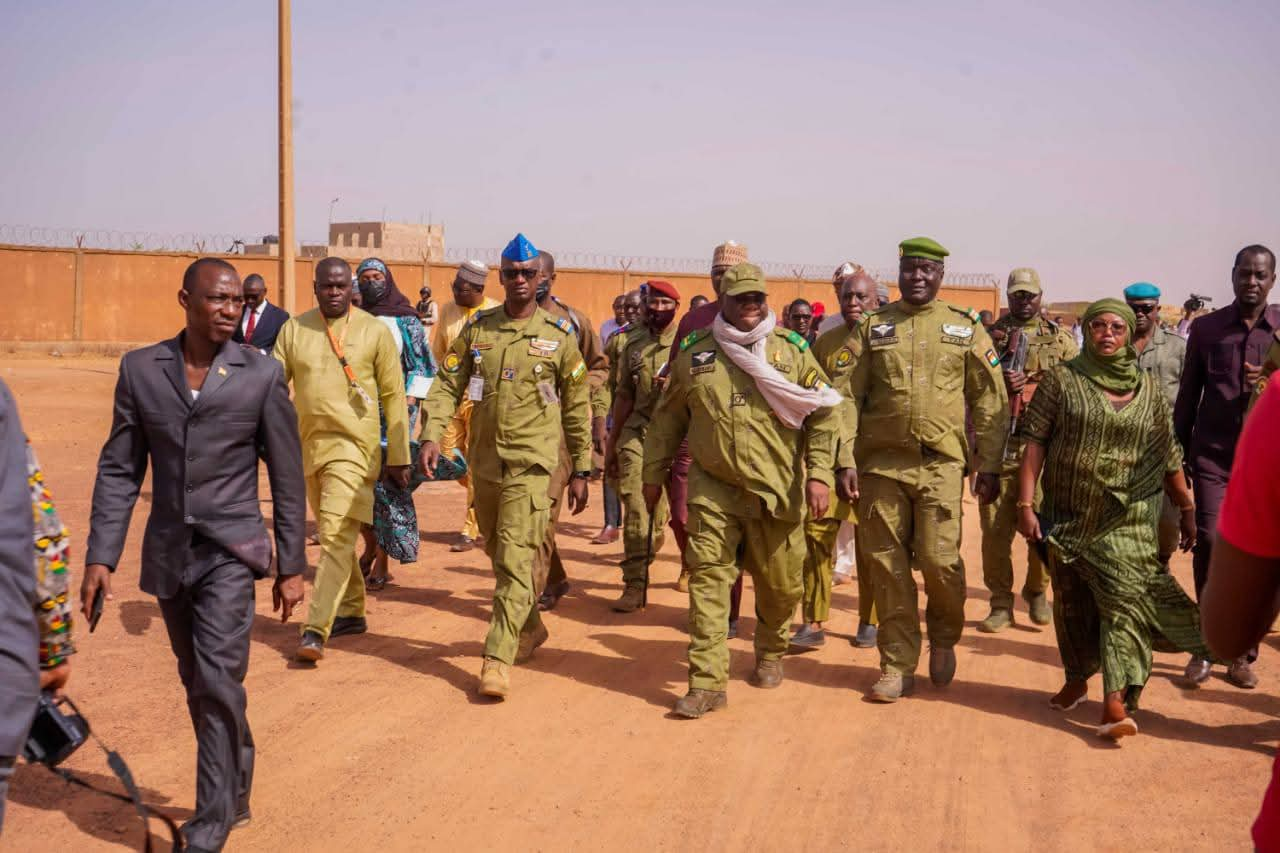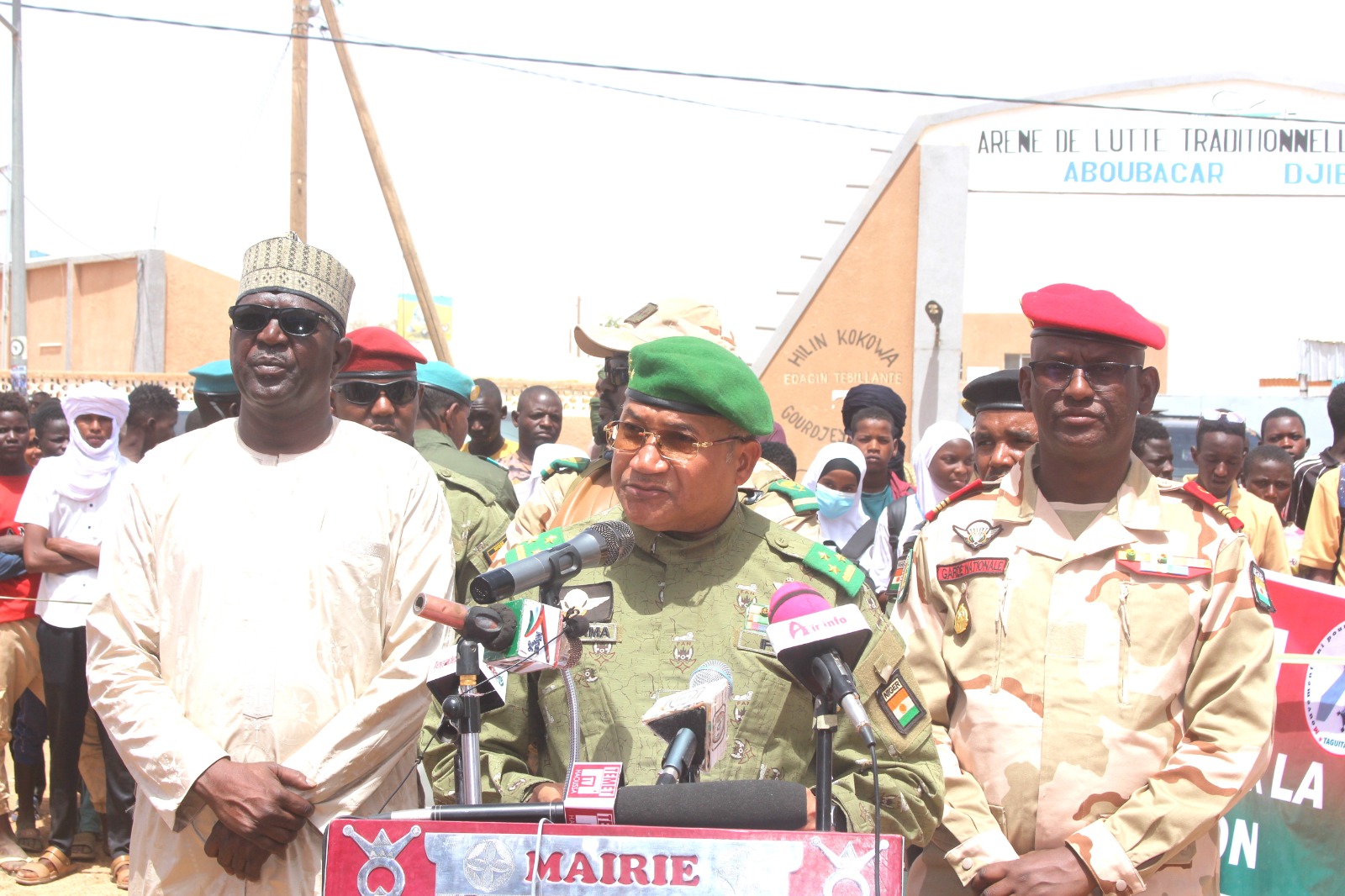
A high-ranking delegation led by the governor of the Niamey region delivered a stern ultimatum to residents regarding airport buffer zones. The authorities have set a May 31st deadline for residents to vacate these buffer zones around airport infrastructure in Niamey. This directive leaves residents with only a few weeks to dismantle their lives and relocate from the designated areas around the airport. The delegation visited the field to communicate the eviction order directly to those affected, showing the urgency of the situation.
Affected Communities and Land
The affected territory is intrinsically linked to title deed nᵒ 784, a key document that formally attributed the land to the Agency for Aerial Navigation Safety in Africa and Madagascar (ASECNA) in 1953. This historical claim forms the basis for the current eviction orders. Four significant residential subdivisions—Mutram, Alpha Djadi, its extension, and the extension of Kobontafa—currently occupy 19% of this designated strategic reserve. These communities are situated directly within the buffer zones established around Niamey's airport infrastructure, placing them at the heart of the government's security concerns.
Based on density estimates for these occupied areas, the impending eviction could directly impact a substantial population ranging from 5,000 to 10,000 individuals. This demographic scale notes the profound human impact of the government's decision. The evictions affect not just individual households but entire communities that have established roots over decades. The sheer number of people facing displacement shows the logistical and social challenges associated with such a large-scale relocation effort.
Security Rationale and Concerns
Authorities in Niamey have stated unequivocally that the evictions are indispensable for national security. The measure aims to establish critical buffer zones, securing the airports of Niamey and Tillabéri against persistent terrorist threats in the Sahel region, a claim that has been reiterated by officials. This operation is presented as a strategic necessity, designed to protect the country's vital airport infrastructures from potential attacks and ensure the safety of air travel and operations. The government views these buffer zones as a key preventative measure against a backdrop of regional instability and ongoing security challenges.
The strategic importance of the airports, not just for domestic travel but also for international connections and logistical support, makes their protection a high priority for the authorities. The perceived threat from various groups operating in the Sahel region has prompted this decisive action, despite the significant disruption it causes to thousands of residents. The government's stance emphasizes that the long-term security of national assets outweighs the immediate hardships faced by the affected communities.
Lack of Support for Residents
A significant point of contention and concern for the affected population is the complete absence of official support. Niamey authorities have not proposed a resettlement site or compensation for the thousands of occupants facing eviction. This lack of official support compounds the challenges for residents as the May 31st deadline rapidly approaches. The affected areas, including the Mutram, Alpha Djadi, and Kobontafa subdivisions, are not solely residential; they are vibrant, integrated communities.
These neighborhoods host numerous small businesses, which are central to the local economy and provide livelihoods for many families. The displacement of these businesses will have a ripple effect, impacting not only the owners but also their employees and the local consumer base. Additionally, the land within these buffer zones is extensively utilized for agro-pastoral activities, further integrating the communities into the local agricultural landscape and providing essential food sources. The absence of a clear plan for relocation or financial assistance leaves residents to independently manage the profound disruption to their homes, economic activities, and established ways of life, intensifying their predicament.
Governor's Statement on Security
Authorities in Niamey have consistently declared the evictions are "indispensable" for national security, according to previous statements by officials. The measure aims to establish buffer zones around the Niamey airport infrastructure, reinforcing the government's commitment to safeguarding critical national assets from external threats.