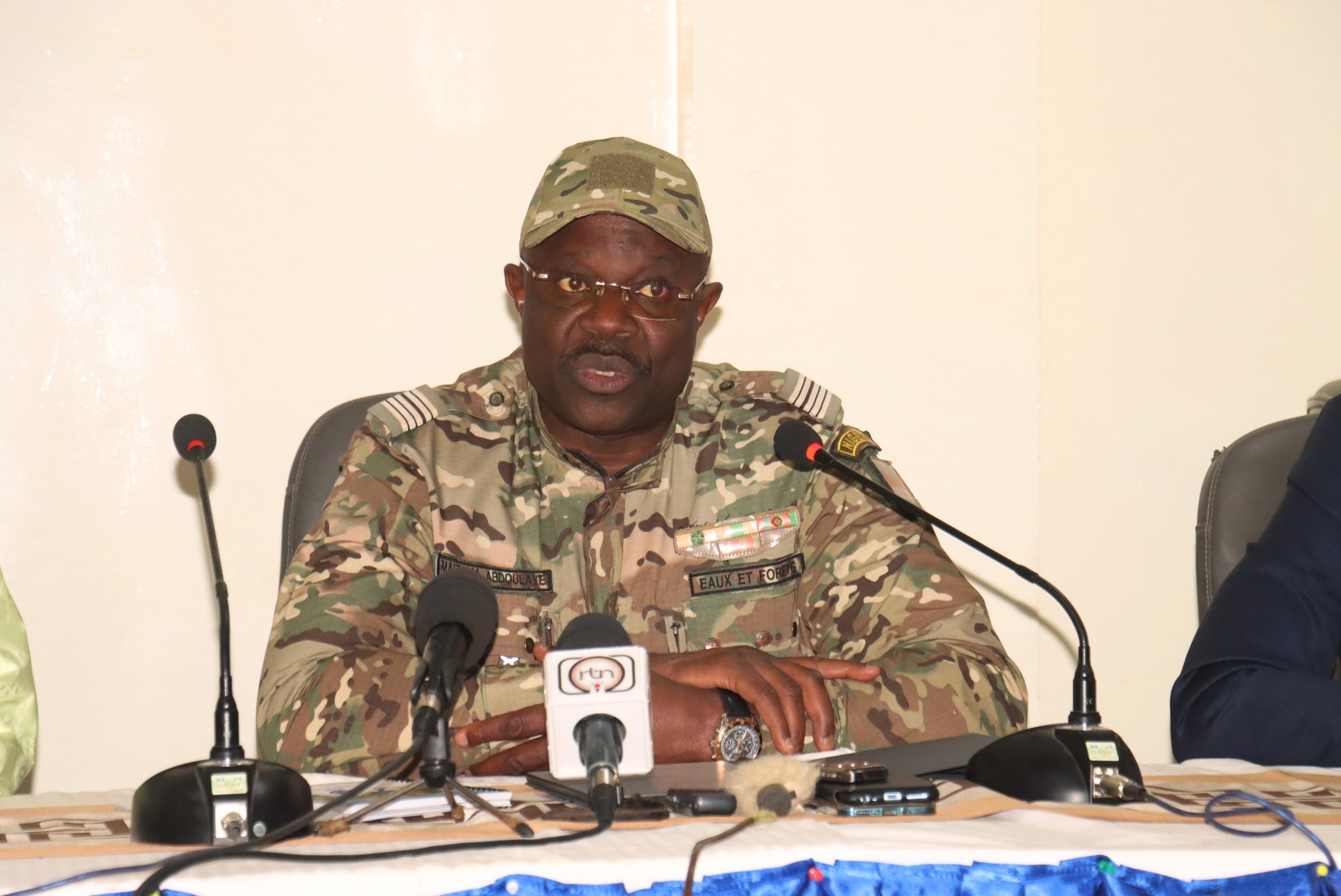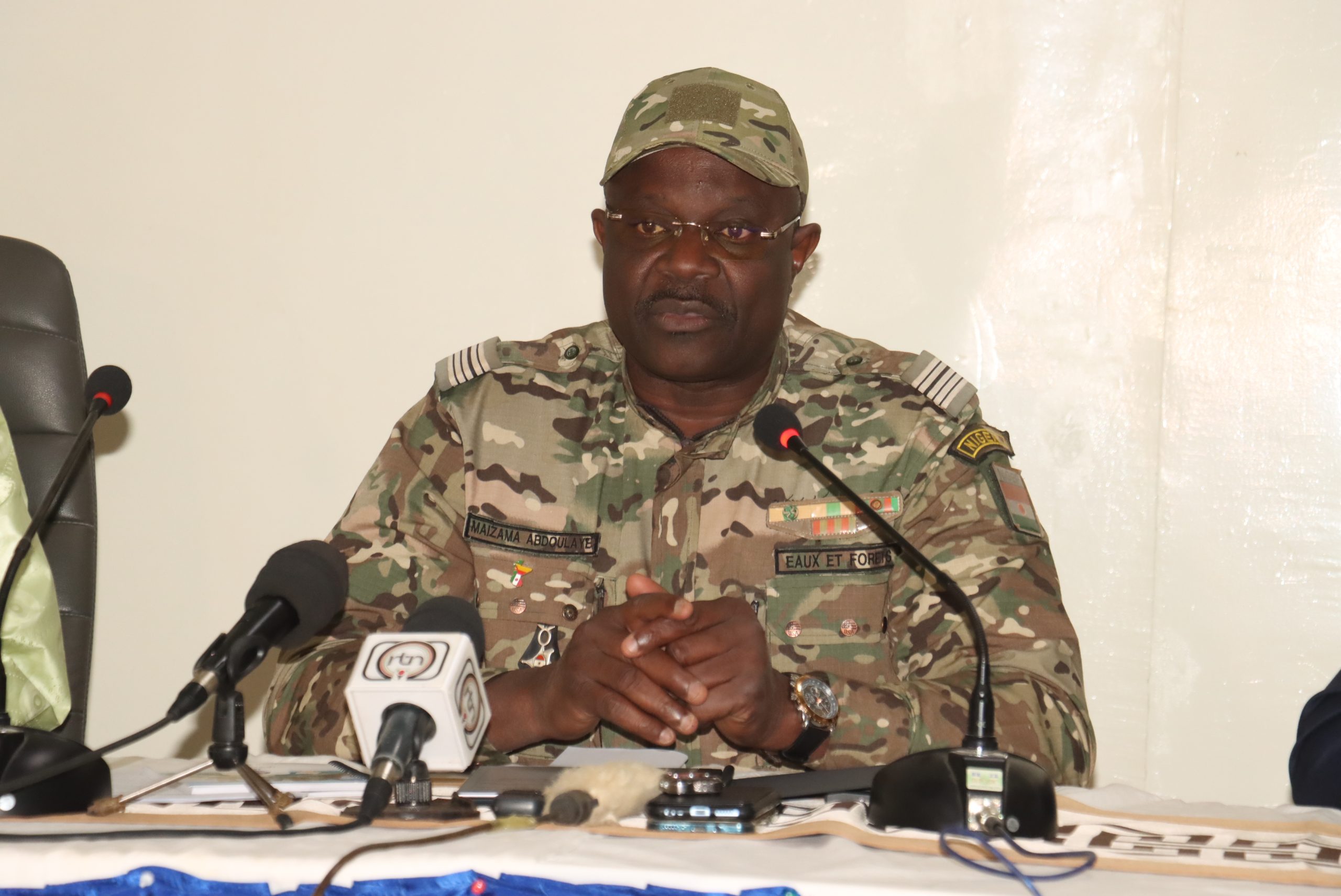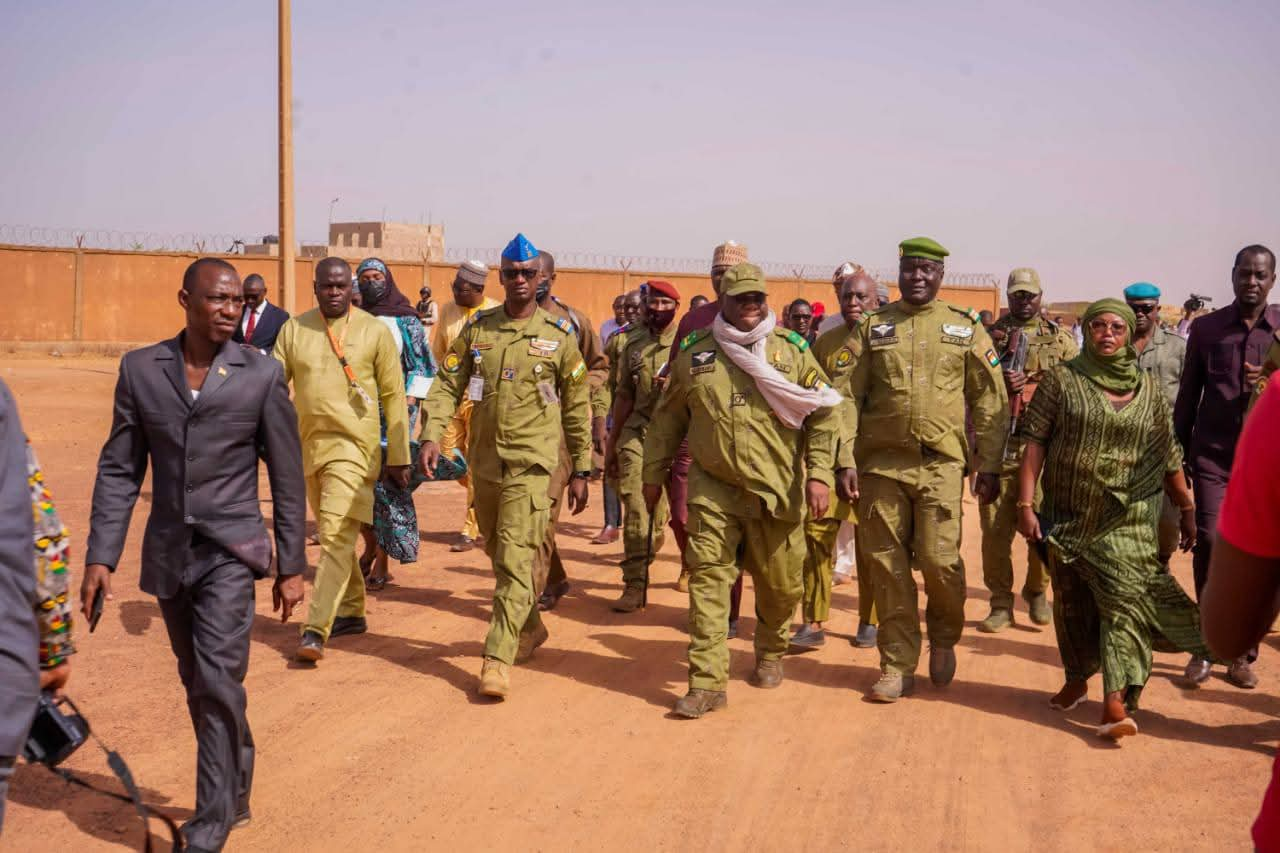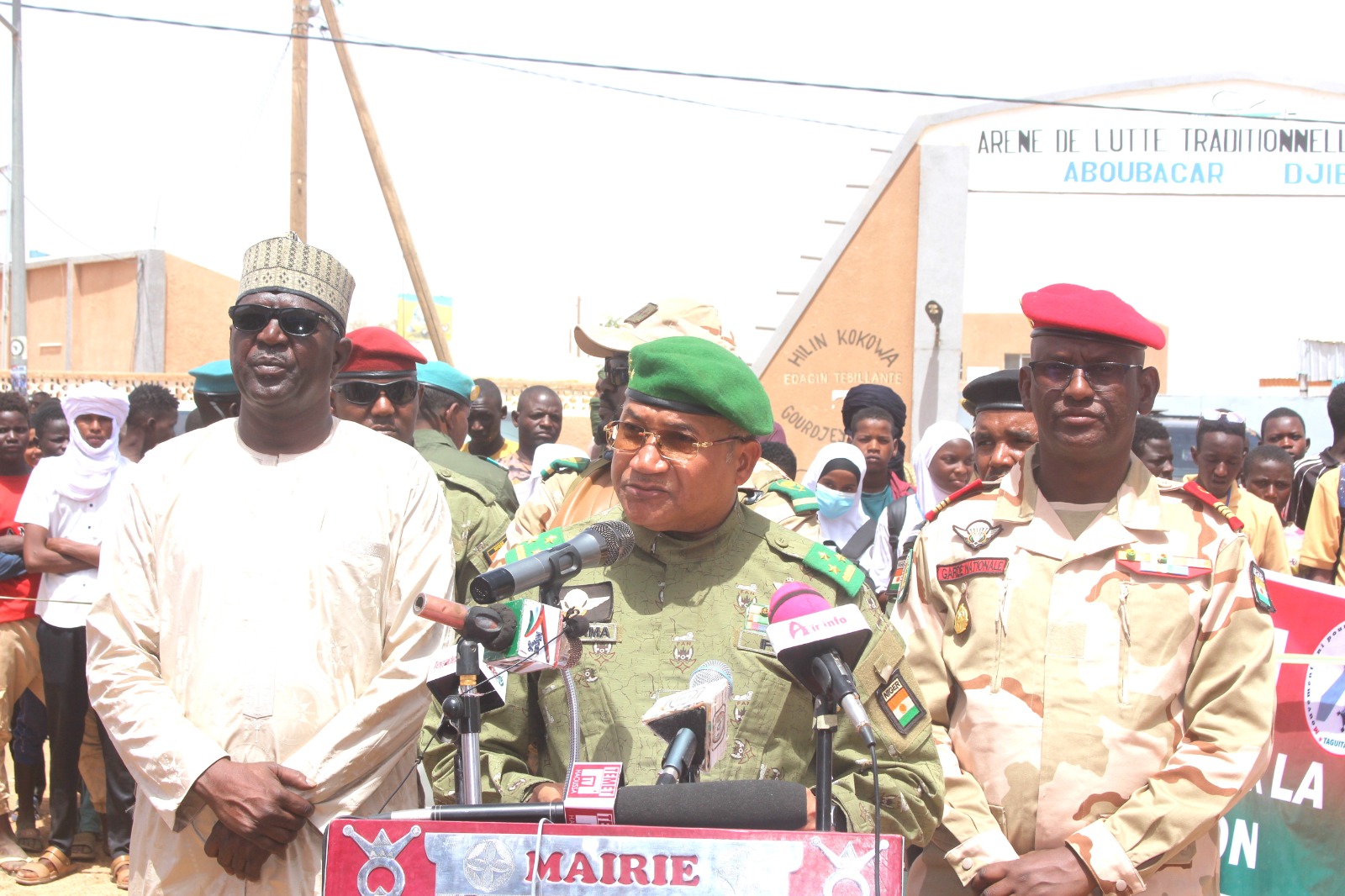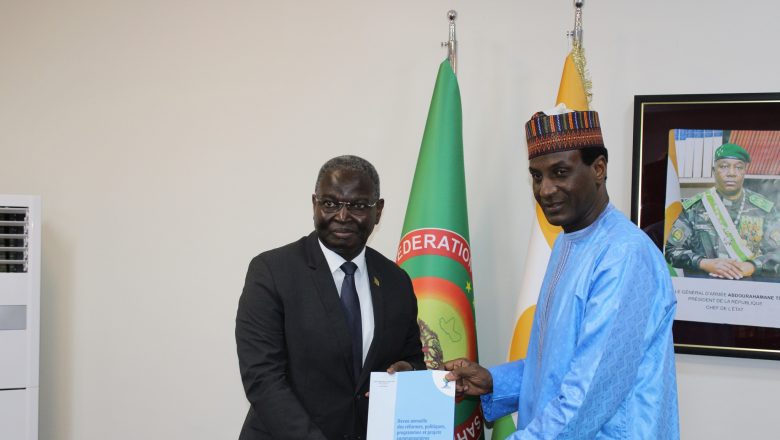
The President of the UEMOA Commission, Abdoulaye Diop, officially handed over the conclusions of the annual evaluation of community reforms to Prime Minister Ali Mahaman Lamine Zeine in Niamey on Thursday, May 7, 2026. This significant official handover occurred during the "Mémorandum 2025," an event organized at the Primature, the Prime Minister's official residence. The evaluation specifically concerned the implementation of reforms, programs, and projects within the West African Economic and Monetary Union by Niger. This key meeting provided an important opportunity to review Niger's progress in adopting UEMOA directives and regulations, thereby contributing to the broader economic integration goals of the region. The presentation showed the ongoing commitment of both Niger and the UEMOA Commission to regional development and cooperation.
Reform Progress Detailed
Niger achieved an impressive overall application rate of 76.10% for community texts and the execution of regional projects over the past year. This notable figure represents the overall application of community texts and the execution of regional projects for the past year, reflecting the nation's concerted efforts in implementing directives and initiatives mandated by the West African Economic and Monetary Union (UEMOA). The evaluation noted that this 76.10% implementation rate demonstrates Niger's dedicated approach to aligning its national policies and programs with the regional framework established by UEMOA. Such progress is vital for fostering deeper economic ties and ensuring harmonized development across member states. This commitment to reform is seen as a key factor in strengthening the union's collective economic resilience.
The year 2026 is regarded as a key period for regional integration within the UEMOA framework. This designation as a key year shows the intensified focus and accelerated efforts towards achieving the union's strategic objectives. The ongoing reforms and projects are specifically designed to strengthen economic cohesion and stability among member states, creating a more strong and interconnected regional economy. The evaluation presented to Prime Minister Ali Mahaman Lamine Zeine by UEMOA Commission President Abdoulaye Diop meticulously noted Niger's specific contributions to these broader regional objectives. These contributions are instrumental in advancing the shared vision of a prosperous and integrated West African economic bloc.
UEMOA Integration Goals
The West African Economic and Monetary Union (UEMOA) is fundamentally structured around the objective of establishing a common market. A core aim of this ambitious initiative is to facilitate trade among member states, allowing traders to conduct exchanges without encountering undue barriers. This pursuit of streamlined commerce is central to the UEMOA's broader integration strategy, aiming to dismantle obstacles that could hinder economic interaction. The creation of such a market is designed not only to foster economic growth but also to enhance stability across the region by promoting free movement of goods, services, capital, and people. By reducing obstacles to trade, the UEMOA seeks to enhance economic cooperation and create a more interconnected financial and commercial landscape for its member nations. This overarching goal underpins many of the reforms and projects evaluated, including Niger's diligent implementation efforts, which are key for the realization of this common market.
Expert Commentary
Niger has achieved a 76.10% implementation rate for reforms mandated by the West African Economic and Monetary Union (UEMOA), according to the recent evaluation. This figure represents the country's progress in adopting and integrating community texts and regional projects, showcasing a significant level of commitment. The evaluation, formally presented by UEMOA Commission President Abdoulaye Diop to Prime Minister Ali Mahaman Lamine Zeine, noted Niger's efforts to align with the union's directives. Adherence to these reforms is central to UEMOA's goal of fostering a common market designed to facilitate trade and strengthen economic cohesion among member states. The reported rate indicates Niger's active and constructive participation in the regional integration framework, contributing positively to the union's collective progress.