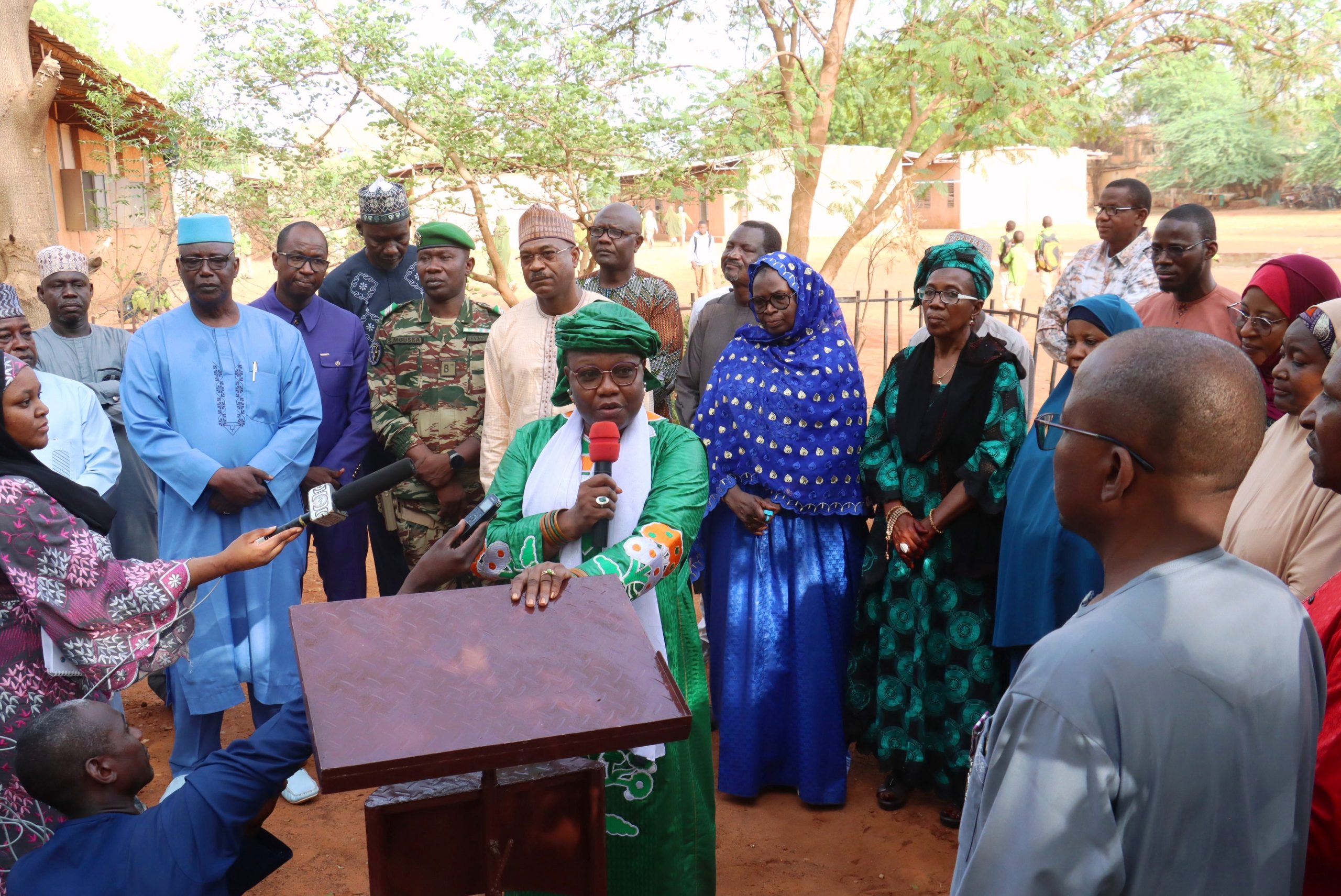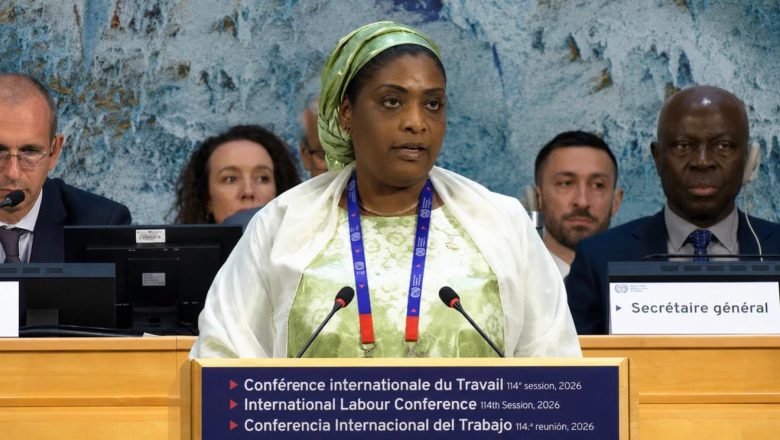
Niger's delegation, led by Minister of Public Service, Labour, and Employment Aissatou Abdoulaye Tondi, participated in the 114th session of the International Labour Conference (CIT) of the International Labour Organization (ILO). The conference took place in Geneva from June 1 to June 12, 2026, serving as a key international platform for addressing global labour challenges and setting international labour standards.
Conference Scope and Niger's Delegation
The 114th session of the International Labour Conference (CIT) convened delegations from 187 member states, bringing together a diverse array of representatives, including governments, employers, and workers from across the globe. This tripartite structure is a hallmark of the ILO, ensuring broad representation in decision-making processes. Niger's delegation to the Geneva conference was strong, comprising high-level ministerial cadres, experienced employer representatives, and dedicated union representatives. This full composition allowed for a multifaceted approach to the discussions and negotiations.
Discussions during the conference focused on several key themes pertinent to the evolving world of work. These included the critical issue of decent work within the burgeoning digital platform economy, aiming to ensure fair labour practices in this rapidly expanding sector. Another significant focus was achieving gender equality in the workplace, addressing disparities and promoting equal opportunities for all. Delegates also addressed strengthening social dialogue and tripartism, recognizing the importance of collaboration among governments, employers, and workers in shaping effective labour policies. Alongside these forward-looking topics, the conference included a key review of the application of international labour conventions and recommendations, assessing how member states are implementing globally agreed-upon standards. Minister of Public Service, Labour, and Employment Aissatou Abdoulaye Tondi actively participated in various technical commissions and plenary sessions throughout the proceedings, contributing Niger's perspective and expertise to these important deliberations.
Regional Diplomacy and Advocacy
Minister Aissatou Abdoulaye Tondi played a significant role in advocating for regional interests. Representing the African Group, she advocated for equitable treatment among member states concerning the 1986 amendment instrument to the International Labour Organization (ILO) Constitution. This call emphasized the need for fair consideration and equal standing for all nations within the framework of the constitutional amendment, particularly for African member states.
Minister Tondi also engaged in several important diplomatic meetings during the conference, reinforcing Niger's commitment to regional cooperation and solidarity. These included discussions with delegations from the Alliance of Sahel States (AES), a key regional bloc, to address shared labour challenges and opportunities. Further engagements involved representatives from the Inter-African Conference on Social Welfare (CIPRES) and the African Regional Centre for Labour Administration (CRADAT). These interactions showed Niger's active participation in regional and pan-African labour discussions, fostering collaboration and knowledge exchange on critical labour administration and social welfare issues.
ILO Engagement with Sahel Region
The conference discussions were further informed by recent high-level engagements in the region. ILO Director-General Gilbert F. Houngbo visited Alliance of Sahel States (AES) countries, including Niger, in April 2026, just prior to the International Labour Conference. During his visit to Niamey, Mr. Houngbo met with Prime Minister Ali Mahaman Lamine Zeine and other members of the government, engaging in direct dialogue on national labour priorities. The Director-General's engagements show the ILO's focus on the region, facilitating direct discussions with national leadership on labour-related issues and understanding the specific contexts and challenges faced by these nations. This visit preceded Niger's participation in the International Labour Conference, providing a foundation for further dialogue on decent work and equitable treatment at the international level.
Broader Impact and Commitments
Minister Aissatou Abdoulaye Tondi reiterated Niger's unwavering commitment to social justice and decent work during the conference. This commitment aligns smoothly with the vision articulated by President General Abdourahamane Tiani and the policy directives set by Prime Minister Ali Mahaman Lamine Zeine, emphasizing the importance of these principles for national development. Her statements showed the nation's consistent focus on these principles within its national development framework and international engagements, aiming to improve the lives of its citizens. Niger's active and full participation in the 114th International Labour Conference reflects its dedication to advancing equitable labour practices and improving working conditions across various sectors, in line with the broader objectives supported by its leadership and the aspirations for a more just and prosperous society.