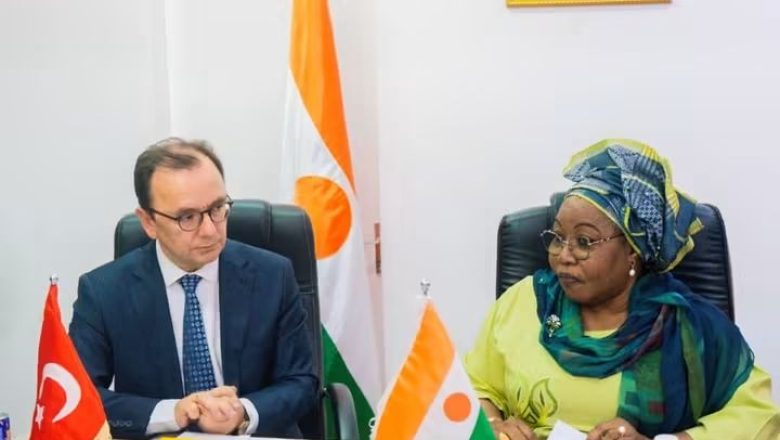
Niger aims to strengthen its socio-economic framework by increasing institutional cooperation with Turkey, according to official statements. More specifically, Niger seeks to secure its socio-economic fabric by intensifying institutional cooperation with Turkey (Ankara). This initiative involves a mission from Turkey's Disaster and Emergency Management Authority (AFAD), which is scheduled to occur in Niger from September 13 to 15. The collaboration seeks to enhance disaster management capabilities between the two nations, marking a significant step in their bilateral relations. This deeper engagement is anticipated to yield tangible benefits for Niger's national resilience and stability.
Mission Objectives and Scope
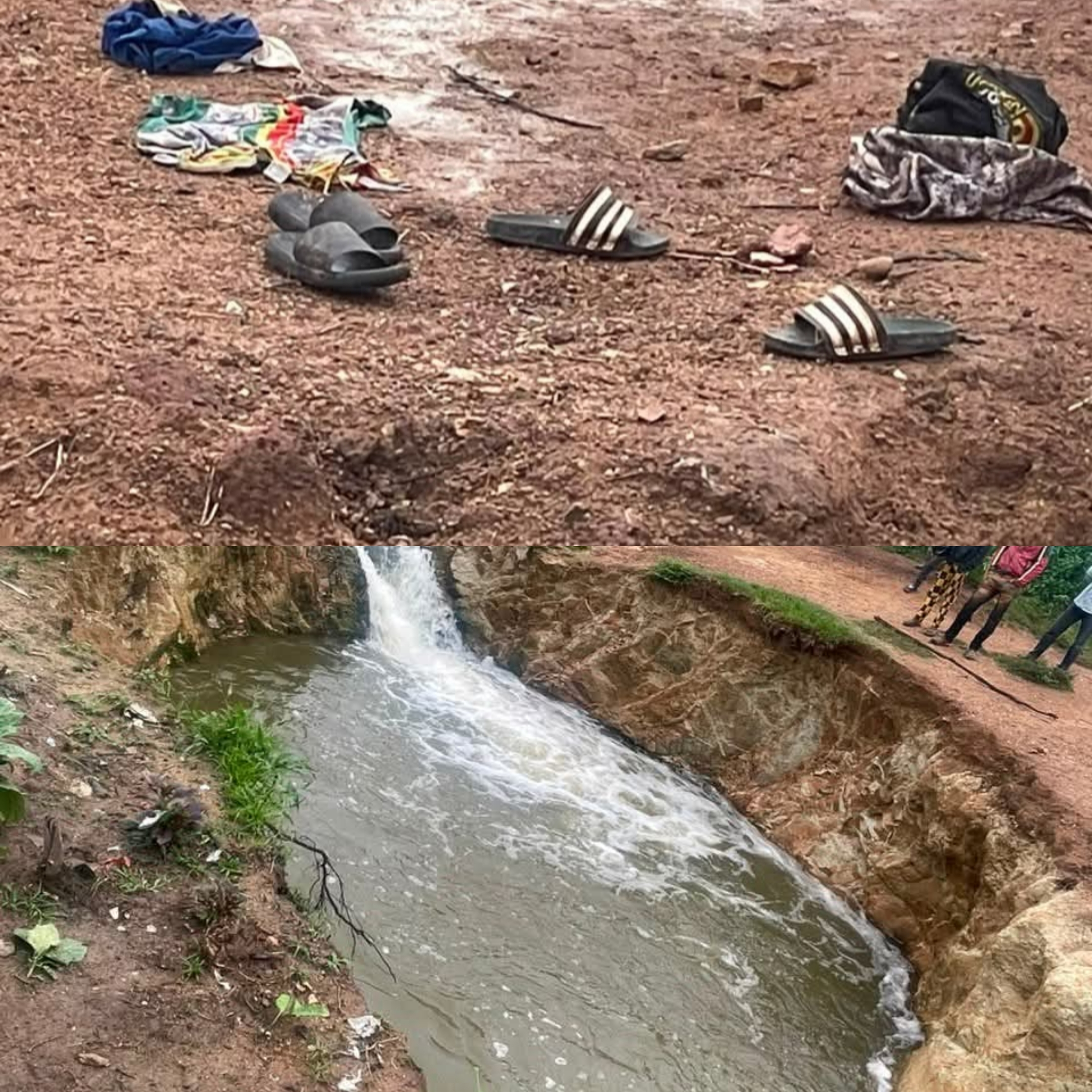
The mission aims to shift the focus from reactive emergency responses to proactive risk prevention. This objective involves transitioning from a costly emergency response logic to a prospective risk prevention model, according to information released regarding the collaboration. The initiative seeks to establish a framework that prioritizes anticipating and mitigating potential disasters before they occur, rather than primarily managing their aftermath. This strategic reorientation is expected to enhance Niger's resilience against various hazards, aligning with broader international efforts to strengthen disaster preparedness globally. The collaboration is designed to facilitate knowledge exchange and capacity building in risk assessment, early warning systems, and community-based prevention strategies, fostering a more sustainable approach to disaster management within the country. This proactive stance is key for a nation susceptible to various environmental and humanitarian challenges, aiming to minimize the human and economic toll of future crises.
Geopolitical and Economic Significance
The collaboration between Niger and Turkey illustrates Turkey's growing geopolitical and economic presence in the Sahel region. This initiative notes Ankara's expanding influence and commitment to partnerships in Africa. The transfer of public engineering expertise in crisis management is considered essential for Niger to reassure markets and protect direct investments. This technical assistance is vital for building strong national infrastructure and response mechanisms. This initiative is also viewed as a means to consolidate the country's economic sovereignty, by reducing reliance on external aid during crises and fostering self-sufficiency in disaster preparedness and response. Such strategic partnerships are increasingly important for developing nations seeking to bolster their economic foundations and national security in a complex global environment.
Preparatory Engagements
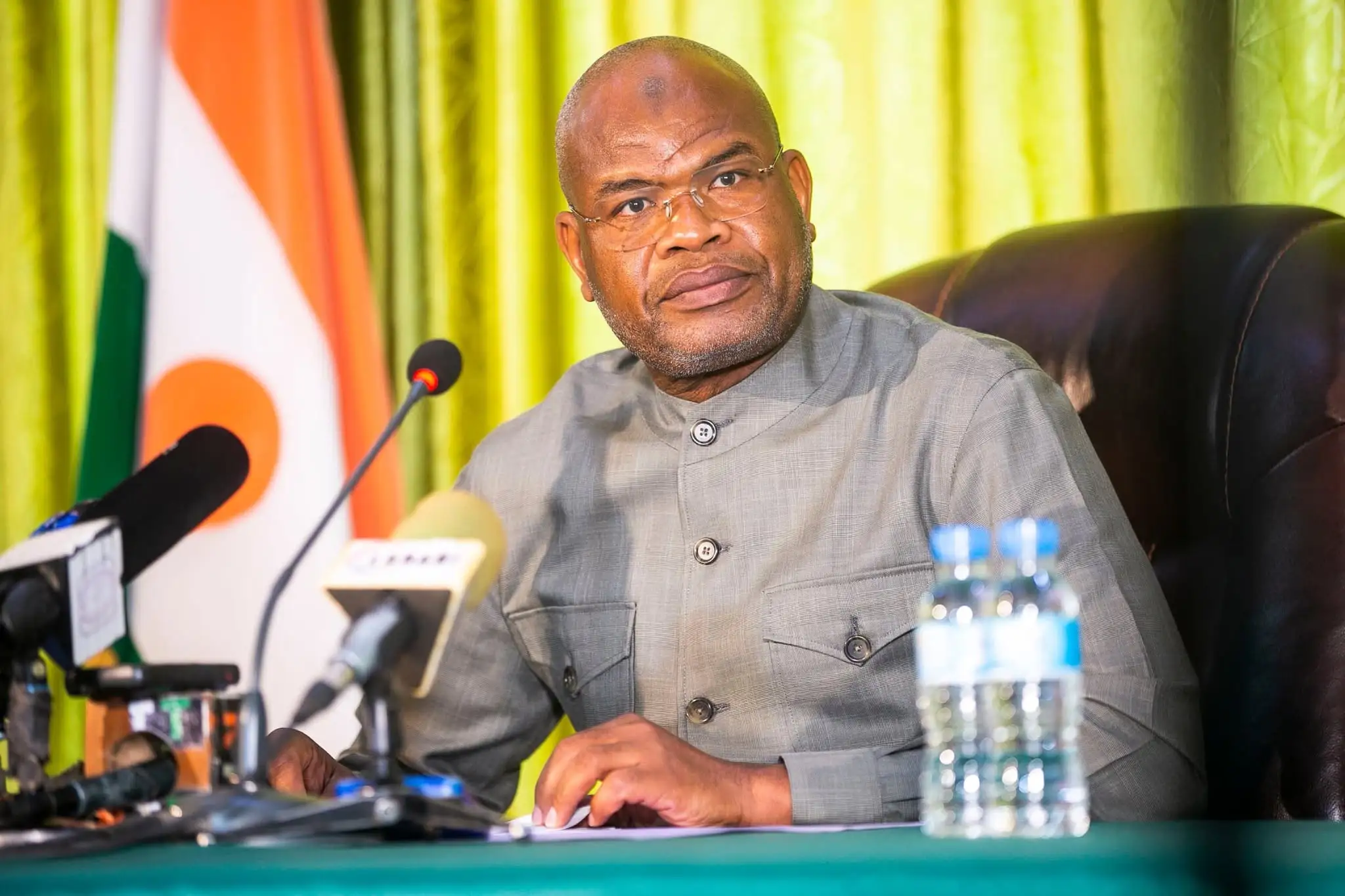
Nigerien and Turkish authorities finalized the operational modalities for the upcoming AFAD mission on September 9 in Niamey. This preparatory meeting ensured that all logistical and strategic aspects were thoroughly discussed and agreed upon. The preparatory work for this initiative was framed by the Minister of Population and Social Action, Professor Sidikou Ramatou Djermakoye Seyni. Turkish Ambassador Özgür Arslan met with Minister Djermakoye Seyni as part of these engagements, showing the high-level commitment from both sides. These discussions laid the groundwork for the mission, which aims to deepen cooperation in disaster management between the two nations. The September 9 meeting ensured that the practical aspects of the mission were mutually agreed upon ahead of its scheduled commencement, setting a clear path for the planned activities and expected outcomes.
Future Outlook
The modernization of intervention protocols represents a key objective for the future of disaster management in Niger. This strategic shift is intended to preserve human capital by minimizing loss of life and injury during emergencies, thereby safeguarding the nation's most valuable asset. The updated protocols aim to significantly reduce the vulnerability of critical production and transport infrastructure, which is essential for national stability and economic continuity. By enhancing the country's capacity to respond to and mitigate disasters, Niger seeks to build a more resilient society, safeguarding both its population and its essential assets from the impacts of future crises. This full approach is expected to contribute to long-term sustainable development and improved quality of life for its citizens.