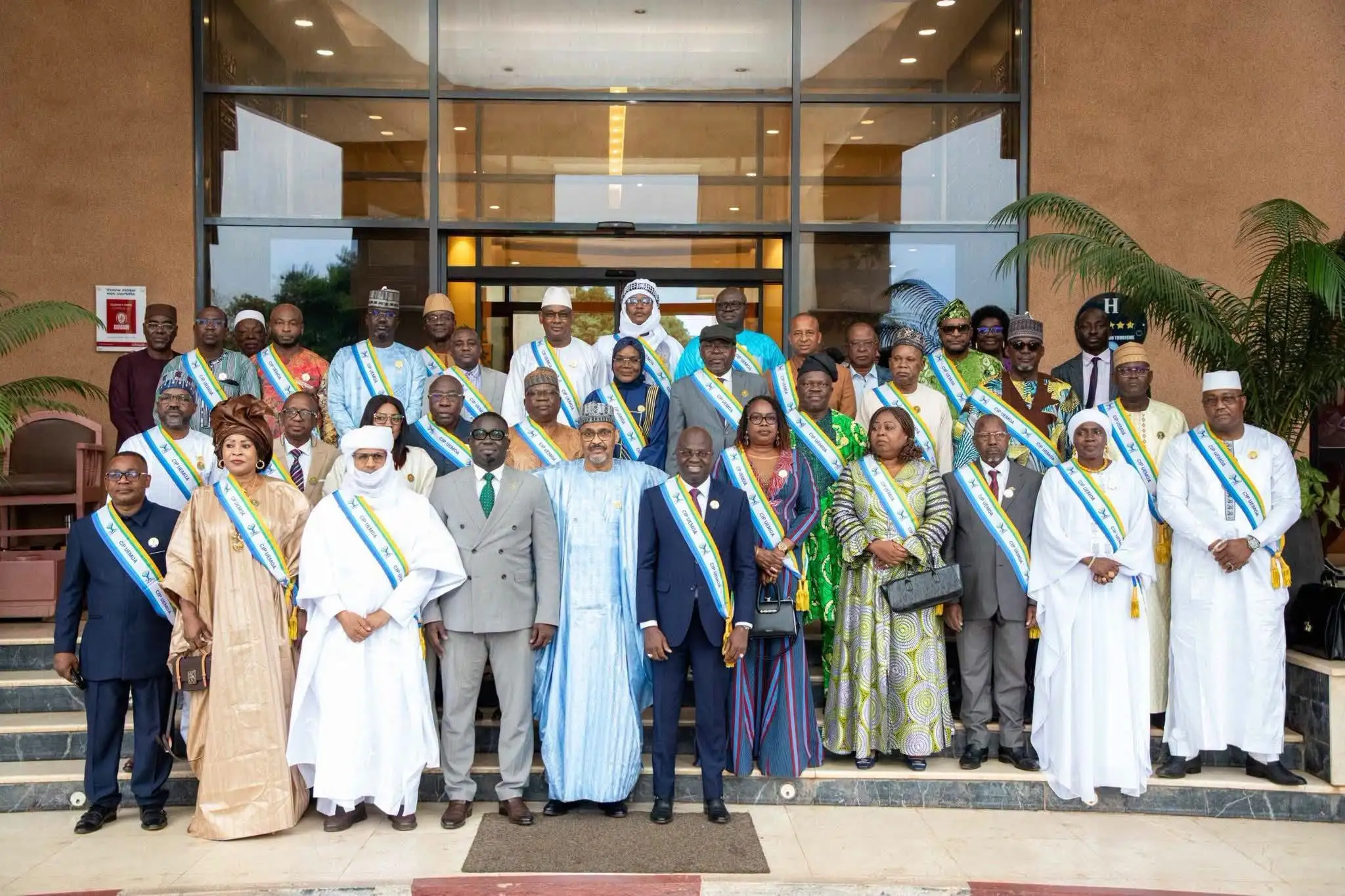
The President of Faso, Captain Ibrahim Traoré, officially inaugurated the Complexe industriel textile des Forces du Burkina Faso (TEXFORCES-BF) on Wednesday, September 9, 2026, in Bobo-Dioulasso. This significant event marks a key step in the nation's economic development strategy. The new textile complex is specifically intended to boost local processing capabilities in Burkina Faso, adding substantial value to its raw materials. Located in Logofourousso, within the Guiriko region, the TEXFORCES-BF facility represents a substantial national investment in industrial infrastructure. The estimated cost for the infrastructure development alone is 17 billion FCFA, reflecting the government's commitment to this strategic project.
Complex Capabilities and Output
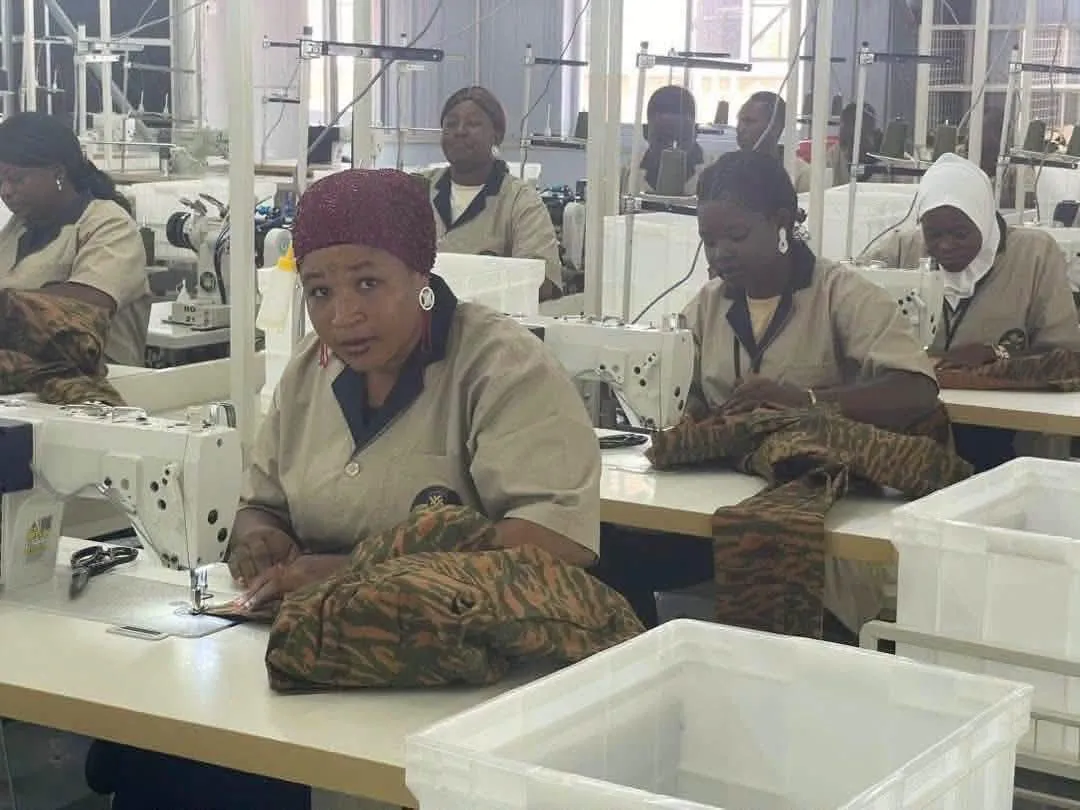
The TEXFORCES-BF textile complex is equipped with advanced machinery designed for efficient and high-volume production. It boasts a processing capacity of over 12 tons of cotton fiber daily, transforming a key agricultural export into finished goods. The facility's announced annual capacity is impressive, including the production of 20 million meters of fabric, six million uniforms for various sectors, approximately six million t-shirts, and one million pairs of socks. This initial output will significantly reduce the country's reliance on imported textile products.
Looking ahead, the complex has a long-term objective to dramatically expand its operations, aiming to transform 50,000 tons of cotton annually. This expanded processing capability is projected to yield a potential production of 100 million meters of fabric and more than 20 million finished pieces each year, positioning Burkina Faso as a major player in regional textile manufacturing. The increase in production capacity is expected to meet both domestic demand and potentially open avenues for export.
Economic and Employment Impact
The TEXFORCES-BF complex is projected to create substantial employment opportunities within Burkina Faso, directly impacting the livelihoods of thousands. At its current operational level, the facility expects to generate approximately 600 direct jobs for the local workforce, providing stable employment in the industrial sector. Beyond direct employment within the factory, the complex is also anticipated to support around 15,000 indirect jobs across various related industries and services, contributing to broader economic activity in the region and stimulating local economies.
Long-term projections indicate an even greater impact on the job market and the entire cotton ecosystem. These ambitious plans suggest the potential for up to 20,000 direct jobs once the complex reaches its full processing capacity, transforming the employment landscape in the region. Additionally, the expanded operations are expected to support 60,000 jobs or livelihoods across the entire cotton value chain, encompassing everything from cotton cultivation by farmers to ginning, processing, and finally, finished product distribution and retail. This holistic approach aims to uplift the entire agricultural and industrial sectors tied to cotton.
National Strategy and Vision
The inauguration of the TEXFORCES-BF complex aligns perfectly with Burkina Faso's national policy to enhance the local transformation of raw materials. This strategic initiative aims to diminish the country's reliance on imported textile products, fostering greater self-sufficiency. By significantly increasing domestic processing capabilities, Burkina Faso seeks to reduce the outflow of foreign currency that would otherwise be spent on textile imports, as noted by official statements regarding the project. The establishment of TEXFORCES-BF is a key component of this broader economic strategy, focusing on adding value to locally sourced cotton within the country rather than exporting raw materials. This approach is designed not only to bolster the national economy but also to create a more strong and self-sufficient textile industry. The facility's operations are therefore integral to achieving these stated economic objectives for the nation, marking a significant step towards industrialization and economic independence.