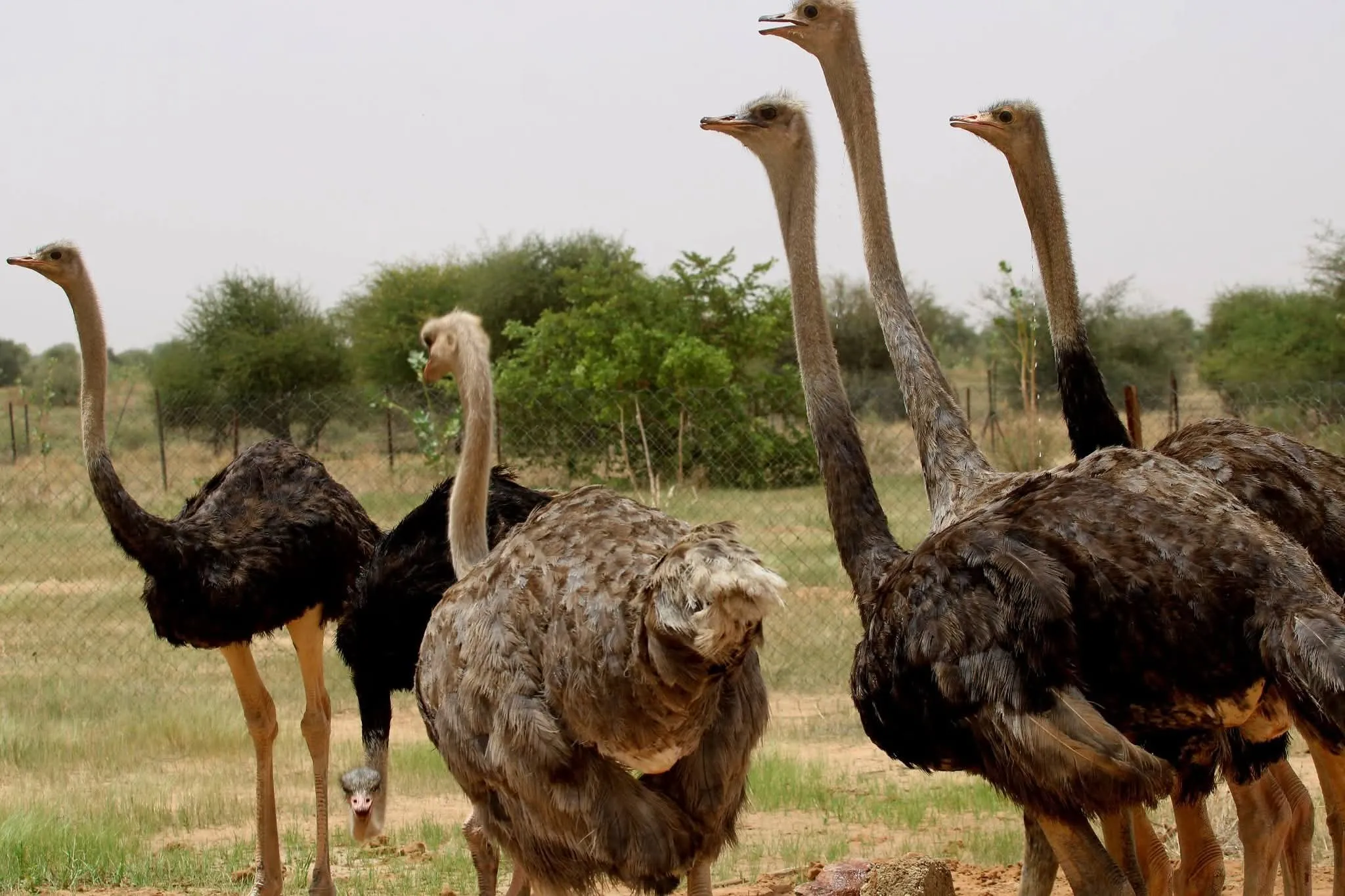
Eight red-necked ostriches were reintroduced into their natural habitat on September 2, 2026, within Niger's Gadabédji Wildlife Reserve. The reintroduction marks a significant step in conservation efforts for the species, aiming to bolster its wild population. This initiative is part of a broader, long-term strategy to restore the red-necked ostrich, a species of considerable ecological importance, to its native range in Niger. The successful release is a testament to dedicated conservation work and collaborative partnerships.
Conservation Program Details
The eight red-necked ostriches involved in this reintroduction came from the Kellé breeding site. These particular birds had been maintained in captivity at the Gadabédji Wildlife Reserve since 2022, serving as a key part of a full conservation and restoration program specifically designed for the species. Their presence at the reserve's captive facilities was a preparatory step before their eventual release into the wild, allowing them to acclimate to local conditions under controlled supervision. This program aims to support the long-term survival and re-establishment of red-necked ostriches in their natural habitat within the region, ensuring a genetically strong and self-sustaining population. The careful planning and execution of this phase were critical to the overall success of the reintroduction.
The red-necked ostrich, scientifically known as Struthio camelus camelus, is a subspecies native to the Sahel region. Its populations have faced significant declines due to habitat loss, poaching, and other human-induced pressures. Conservation programs like this are therefore vital for the subspecies' continued existence and recovery. The reintroduction on September 2, 2026, represents a culmination of years of dedicated work, from breeding and rearing the birds in a protected environment to preparing them for the challenges of life in the wild.
About Gadabédji Reserve
The Gadabédji Wildlife Reserve, the site of this significant reintroduction, was established on April 25, 1955. This historical designation shows Niger's long-standing commitment to wildlife protection. The reserve spans an extensive area of approximately 76,000 hectares, providing a vast and diverse ecosystem suitable for the reintroduced ostriches and numerous other species. Its considerable size offers ample space for the birds to roam, forage, and establish new territories, which is key for the success of any reintroduction effort.
In recognition of its ecological importance and its role in biodiversity conservation, UNESCO recognized the Gadabédji Wildlife Reserve as a Biosphere Reserve in 2017. This international designation notes the reserve's value not only for its natural heritage but also for its sustainable management practices and community involvement. The reserve has previously been a site for successful reintroduction efforts concerning other species, demonstrating its capacity and suitability for such projects. For instance, in 2018, Gadabédji saw the reintroduction of eight giraffes belonging to the subspecies Giraffa camelopardalis peralta. These past successes provide a positive precedent and valuable experience for the current ostrich reintroduction, further showing the reserve's key role in biodiversity preservation within Niger and the wider Sahelian region. The ongoing commitment to restoring endangered species solidifies Gadabédji's reputation as a critical conservation hub.
Support and Future Hopes
The reintroduction operation received key technical and financial support from Sahara Conservation. This organization provided essential resources to facilitate the safe transfer and release of the eight red-necked ostriches into their new environment. Their involvement shows the collaborative effort required for successful wildlife conservation projects in the region, often necessitating partnerships between governmental agencies, local communities, and international non-governmental organizations.
The support from Sahara Conservation is vital for the ongoing monitoring and protection of the reintroduced birds as they adapt to their natural environment within the Gadabédji Wildlife Reserve. This includes tracking their movements, assessing their integration into the ecosystem, and ensuring their long-term survival. The long-term success of such initiatives often depends on sustained backing from conservation partners, which extends beyond the initial release to include habitat management, anti-poaching measures, and community engagement. The hope is that these eight ostriches will thrive, reproduce, and contribute to the growth of a strong wild population, ensuring the red-necked ostrich's future in Niger's rich biodiversity.