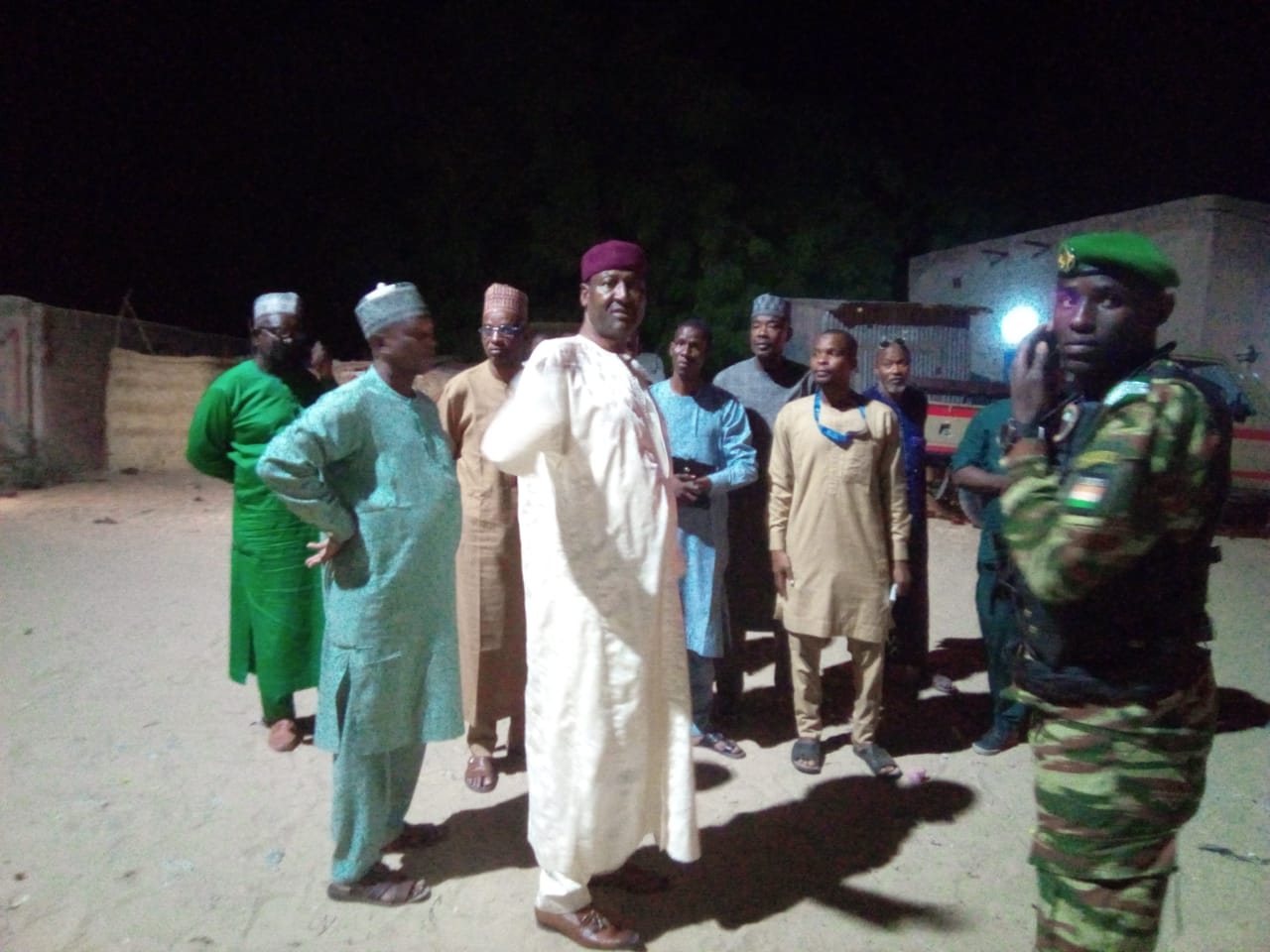
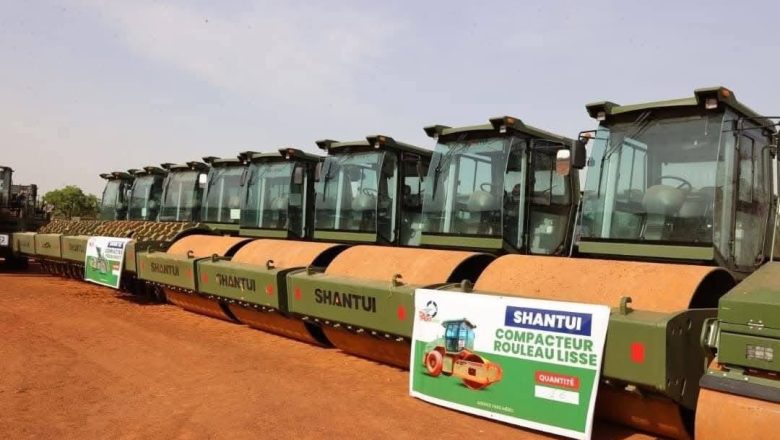
The State of Niger is intensifying its efforts in training and education to bolster its mining sector, with Minister in charge of Mines, Commissary Colonel Abarchi Ousmane, indicating these developments on Monday, May 4, 2026. A key initiative includes a project to establish new schools in the Maradi and Tillabéri regions, aiming to provide training closer to the country's main mining exploitation zones. Officials believe that mastering gold exploitation could serve as a significant development lever for Niger. These efforts align with broader continental initiatives, such as the Africans for Africa (AFA) Initiative, co-founded by Suleiman Zakari, which is working to provide liquidity for compliant and transparent supply chains, with its initial project focused on gold tailings processing in Ghana.
Revitalizing Mining Education
Rehabilitation efforts are underway for the École des Mines de l’Aïr (EMAIR), which had been abandoned for an extended period. New infrastructure has been built for the school through partnerships with the private sector, incurring no cost to the state. These collaborations have increased EMAIR's reception capacity by 50%. Additionally, reforms have been introduced to diversify the training offerings at EMAIR, now including BTS, Bac professionnel, and BEP programs. The initiatives aim to strengthen Niger's human and institutional capacities, necessitating the recruitment of qualified personnel. Such educational advancements in Niger reflect broader continental trends, as Africa currently has over 600 million mobile subscribers, indicating a growing technological and educational landscape.
Formalizing Semi-Mechanized Gold Mining
Niger has also formalized its semi-mechanized gold panning sector by signing memorandums of understanding with private Nigerien operators. These partnerships have generated substantial resources, estimated at 14 billion CFA francs in 2024. An agreement with a semi-mechanized operator in Agnissa stipulates the retrocession of 20% of gross production to the state. This singular collaboration resulted in the collection of over 150 kilograms of gold in 2025. These efforts align with the potential for individuals like Emmanuel, a small-scale mining operator who employs twelve people and holds a local mining license, to access formal export markets after three years of attempts. Emmanuel has the capacity to organize informal artisanal miners into compliant, traceable, and bankable cooperatives. The broader context of these initiatives was explored in the article “From Extraction to Management: Rewiring Africa’s Economic Engine,” which Business Day published in January 2026.
Broader Context and Challenges
While Niger advances its formalization efforts, broader challenges persist across the African mining sector. Youssef, a 34-year-old father of three, mines silver 800 meters deep in Morocco’s Anti-Atlas Mountains for a large mining company. However, for every Youssef in the formal system, there are an estimated ten thousand individuals like Mary, John, Aminu, and Fortune who operate without formal contracts. Mary, for example, mines in the DRC, Ghana, Zimbabwe, or Mali, selling to an aggregator who sets the price and pays cash. The cost of a third-party compliance audit for a small mining operation can range from US$50,000 to US$100,000, which may exceed Emmanuel's entire annual operating margin. Most global Environmental, Social, and Governance (ESG) frameworks, such as the OECD Due Diligence Guidance, appear designed for multinational corporations.
Africa holds approximately 30% of the world’s critical mineral reserves. The African Mineral Development Centre (AMDC) provides standards like the African Mineral and Energy Resource Classification (AMREC) and the Pan-African Reporting Code (PARC). The 2025 G20 Declaration acknowledged the potential for critical minerals to catalyze broad-based development. Traceability and tokenization technology can now create an immutable, real-time record of a mineral’s journey from pit to port at a fraction of previous costs. Regionally, Uganda operates a tin refinery, and Nigeria has a lithium processing plant, indicating steps toward local value addition.