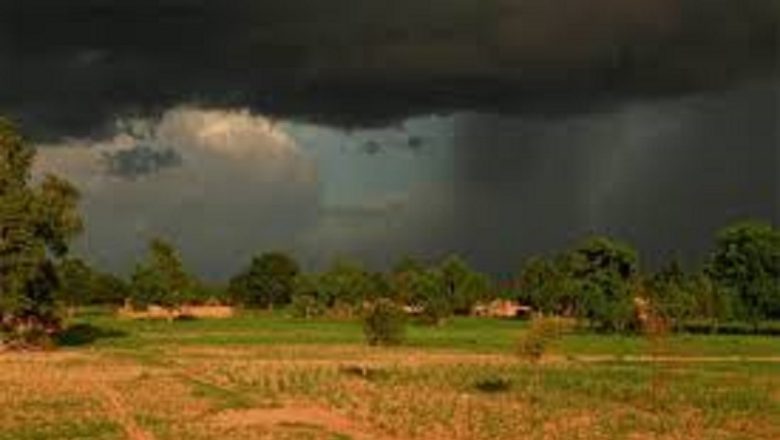
Niger's Centre opérationnel de veille, d’alerte et de conduite de crises (COVACC) has issued a formal alert regarding imminent critical intensity precipitation, expected to trigger devastating floods across multiple regions of the country. The Centre opérationnel de veille, d’alerte et de conduite de crises (COVACC) formally alerted on the imminence of critical intensity precipitation, likely to cause devastating floods in several regions of Niger. These anticipated floods threaten urban centers with inadequate drainage systems and pose an immediate peril to Niger's rural economy, the backbone of the nation's economy. COVACC stated, "Il est impératif d’anticiper les dynamiques de crise par des mesures concrètes : curage des canaux d’évacuation, identification des zones d’accueil sécurisées pour les populations vulnérables et mise en place de systèmes d’alerte précoce au niveau communautaire." The feared floods threaten not only urban centers with inadequate drainage but also pose an immediate peril to the rural world, which is recognized as the backbone of Niger's economy.
Devastating Rural Impacts
The potential for devastating floods poses a significant threat to Niger's rural areas. A major concern is the decimation of livestock, which is highly vulnerable to sudden floods and surface runoff, according to official assessments. The decimation of livestock is a major threat due to sudden floods and surface runoff, impacting the livelihoods of countless families. The anticipated floods also carry a substantial risk of disrupting transport routes and critical infrastructure. Bridges, dikes, and rural tracks are particularly susceptible to damage, which could isolate communities and impede the delivery of aid and trade. The disruption of transport routes and infrastructure, including bridges, dikes, and rural tracks, is a significant risk, potentially isolating areas and hindering aid and trade, further exacerbating the crisis.
The precarious nature of housing in many rural regions exacerbates the danger. Many homes are constructed with fragile materials, increasing their vulnerability to massive collapses during flood events. Such widespread destruction would inevitably lead to large-scale internal displacement of affected populations. The precariousness of housing, due to fragile construction materials, exposes populations to massive collapses and large-scale internal displacement, creating urgent humanitarian needs.
Call for Local Action
Niger's Centre opérationnel de veille, d’alerte et de conduite de crises (COVACC) has showed the necessity for a decentralized response to the impending flood threat, assigning accountability to local authorities. COVACC emphasizes the need for a decentralized response and the accountability of local authorities in managing the crisis effectively. COVACC emphasized that local entities must take concrete steps to mitigate the crisis. "Il est impératif d’anticiper les dynamiques de crise par des mesures concrètes : curage des canaux d’évacuation, identification des zones d’accueil sécurisées pour les populations vulnérables et mise en place de systèmes d’alerte précoce au niveau communautaire," COVACC stated. This directive calls for practical actions such as clearing drainage channels, identifying safe zones for vulnerable populations, and establishing early warning systems at the community level. The organization's focus on local accountability aims to ensure that communities are prepared and responsive to the anticipated severe weather events, thereby minimizing loss of life and property.
Shifting to Resilience
The recurring episodes of extreme rainfall present a significant challenge for Niger, necessitating a fundamental shift in its approach to disaster management. The recurrence of extreme rainfall episodes challenges Niger to move from a post-disaster reaction logic to a true culture of resilience and long-term climate adaptation. The country must transition from a post-disaster reaction model to one that fosters a genuine culture of resilience and long-term climate adaptation. This involves proactive strategies that integrate environmental planning with community preparedness, moving beyond immediate relief efforts to build sustainable protections against future hydrological events. The sustained pattern of intense precipitation shows the urgency for strong infrastructure development and full policy changes. Such an adaptation strategy would aim to mitigate the impacts of increasingly frequent and severe weather, protecting both urban centers and vulnerable rural communities from widespread destruction and displacement, and securing the nation's future against climate-related disasters.