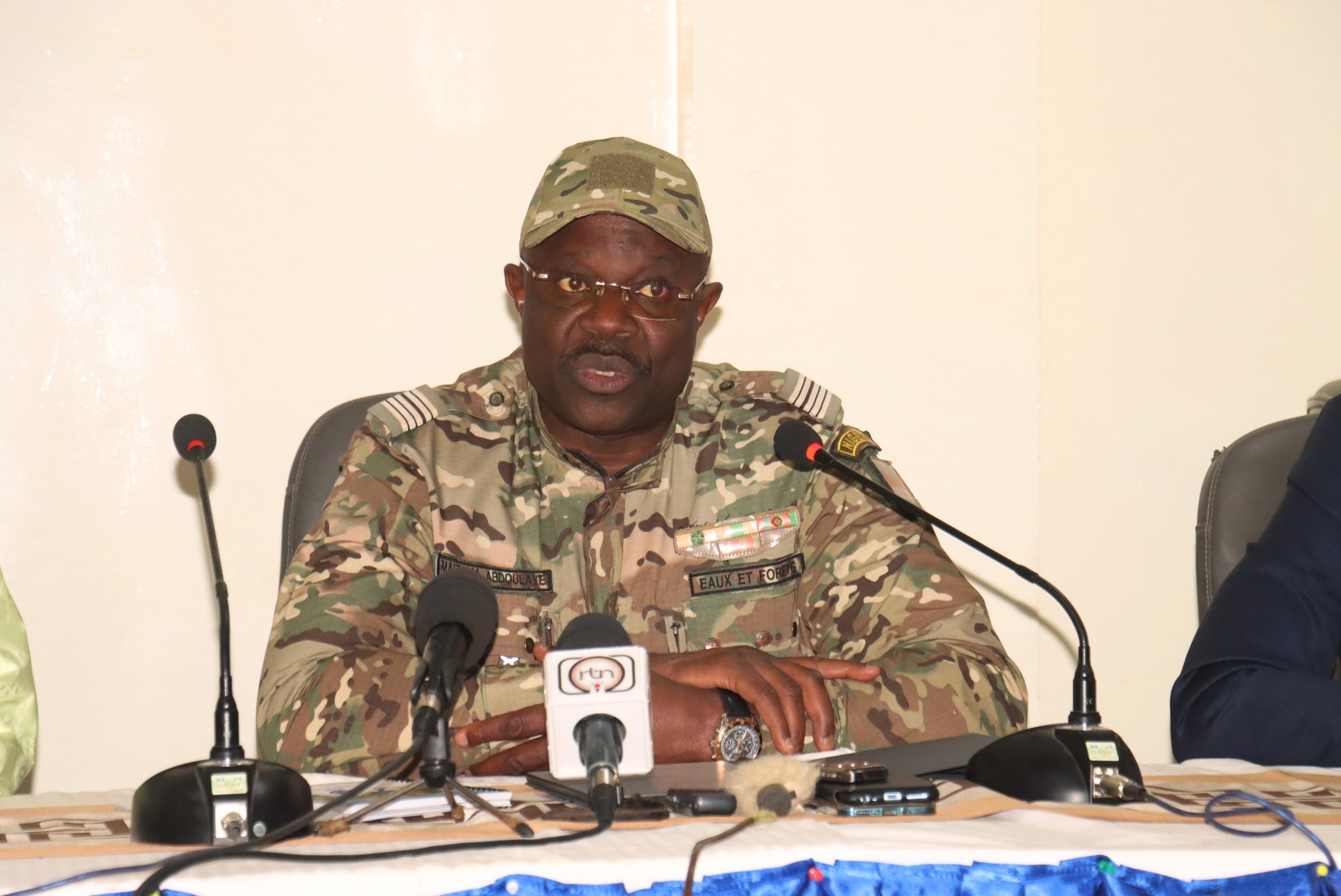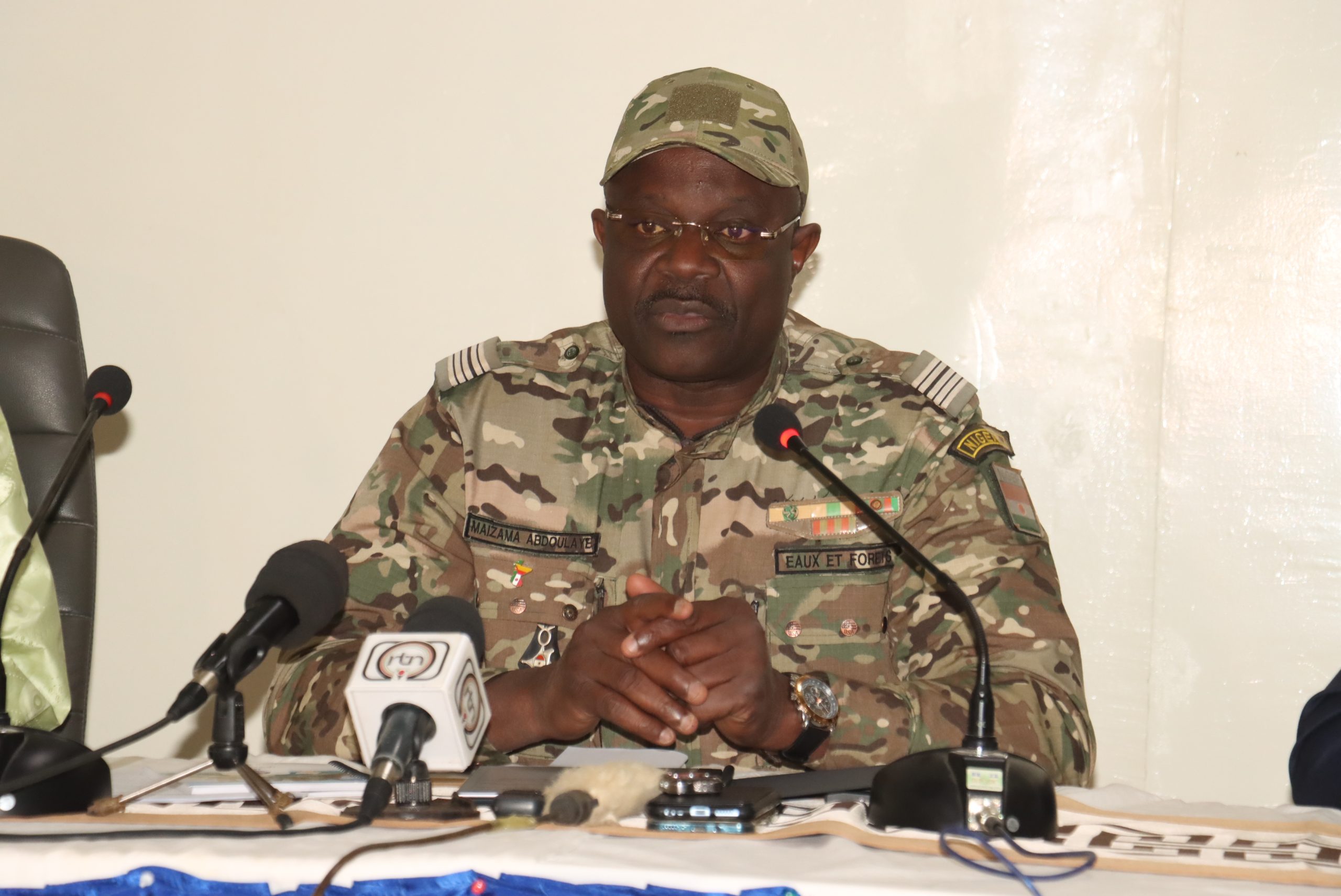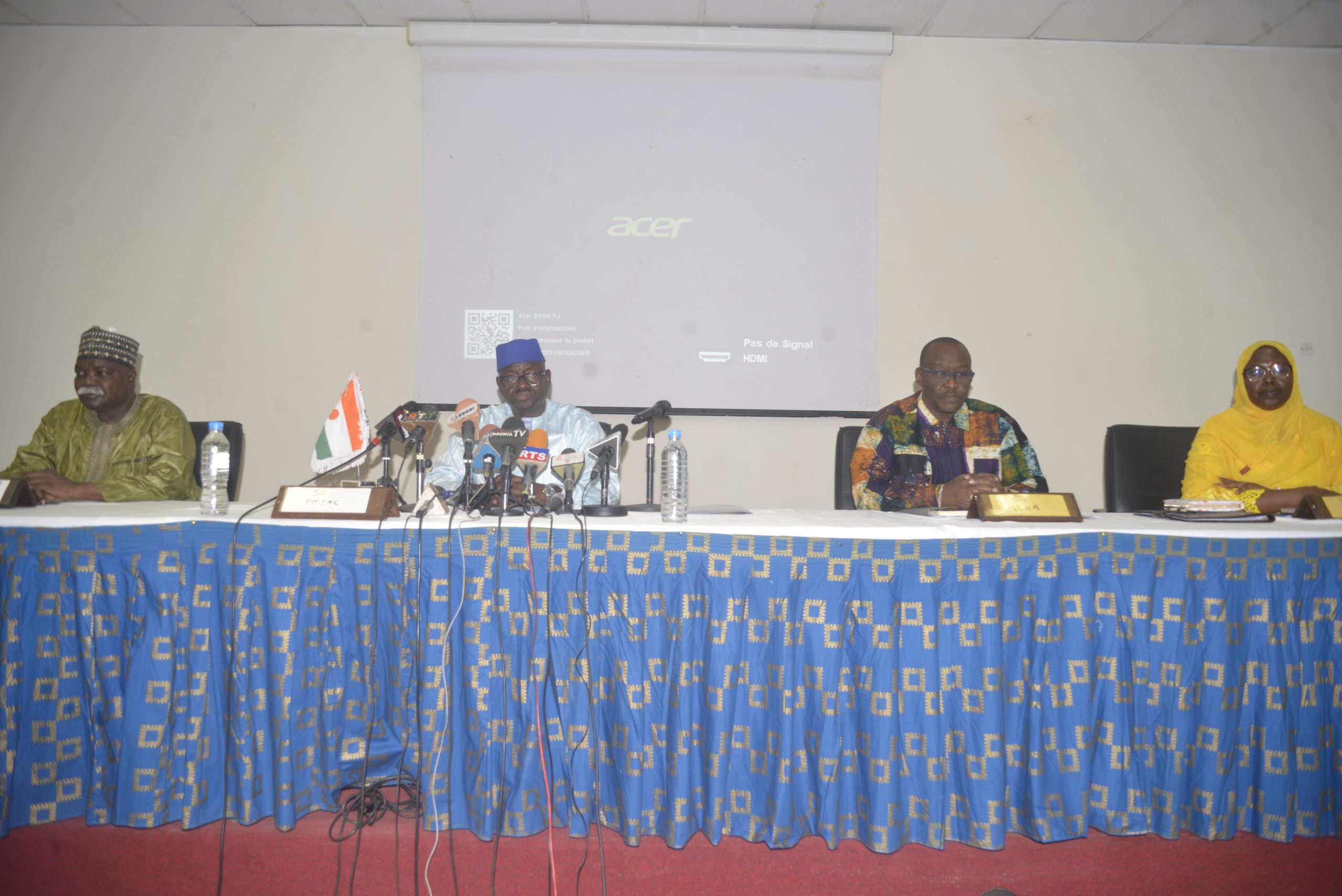
Niger is forecasting a normal to above-average rainy season for its agropastoral zone during the critical July-August-September 2026 period. This prediction, which offers a vital outlook for the nation's agricultural sector and water resource management, was announced publicly during a press briefing held on Thursday, May 7, 2026, at the Grand Hôtel de Niamey. The information provides an essential planning tool for communities and authorities across the region.
Forecast Details Explained
Rainfall quantities across Niger's agropastoral zone are anticipated to be globally equivalent to the average cumulative amounts recorded between 1991 and 2020. This projection indicates that precipitation levels for the upcoming season will align with long-term climate patterns for the region, suggesting a return to or even an improvement upon historical averages. The forecast specifically encompasses the critical July-August-September 2026 period, which is vital for agricultural activities, livestock rearing, and water replenishment. Such an outlook allows farmers and pastoralists to plan cultivation and livestock movements with a degree of certainty regarding water availability, enabling them to make informed decisions about crop selection and planting schedules.
Government agencies and non-governmental organizations also use these projections to prepare for potential impacts on food security and resource management, allocating resources effectively. The 1991-2020 baseline provides a full historical reference for assessing the expected conditions, ensuring that the forecast is grounded in strong climatic data. This consistency in rainfall levels is a key factor in mitigating risks associated with extreme weather variations, such as droughts or floods. The forecast also aids in strategizing for dam management, hydrological services, and the overall management of water infrastructure to ensure optimal distribution and conservation. The anticipation of sufficient rainfall is particularly encouraging for a country heavily reliant on natural water sources.
Meteorology Department's Outlook
The prediction regarding the 2026 rainy season was issued by the Direction Nationale de la Météorologie (DMN), Niger's national meteorological service. This esteemed institution is responsible for monitoring weather patterns, conducting extensive climate research, and providing critical climate forecasts for Niger. The DMN's assessment is based on full data analysis, advanced climate modeling, and regional observations to project rainfall trends with a high degree of accuracy. The organization's role is key in delivering timely and reliable information that aids various sectors, including agriculture, water management, disaster preparedness, and public health.
Their forecasts are often disseminated through official channels, including press briefings like the one held at the Grand Hôtel de Niamey, to inform the public and relevant stakeholders about anticipated weather conditions. Regular updates and detailed analyses from the DMN help communities and government agencies adapt to seasonal variations and plan accordingly, fostering resilience against climatic challenges. The DMN's expertise is foundational to Niger's efforts in climate adaptation and ensuring the well-being of its population. The transparency in sharing these forecasts shows the government's commitment to proactive climate management.
Significance of Rainfall Prediction
The forecast of normal to above-average rainfall is profoundly key for Niger, a country where a significant portion of the population relies heavily on rain-fed agriculture and livestock farming for their livelihoods. Such predictions enable farmers in Niamey and across the nation to make informed decisions regarding crop choices, optimal planting schedules, and effective water management strategies, thereby maximizing yields and minimizing losses. The outlook supports proactive measures for food security and livelihood protection, particularly in rural areas that are highly susceptible to climatic fluctuations and their socio-economic impacts.
Government agencies utilize these precise forecasts to plan interventions, allocate resources for agricultural support programs, and prepare for potential humanitarian needs, ensuring that communities are well-equipped to face the upcoming season. Reliable meteorological information is vital for sustainable development and building resilience against climate variability, which remains a persistent challenge in the Sahel region. This positive forecast offers a beacon of hope for a productive agricultural season, potentially leading to improved food availability and economic stability for countless families.