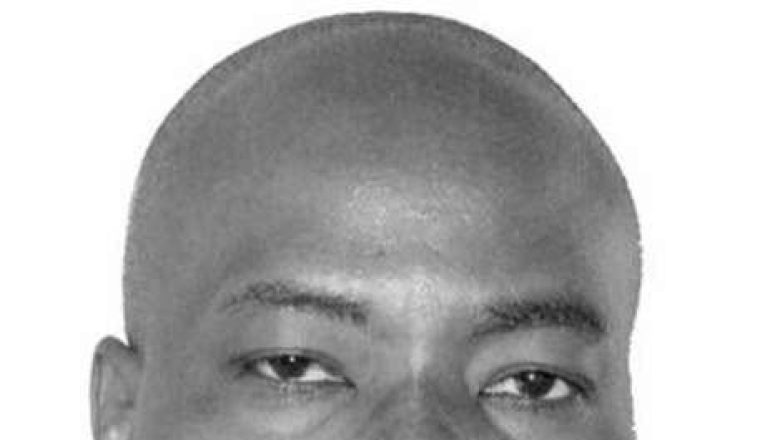
Soumana Idrissa Maïga, director of publication for the private daily L'Enquêteur, was arrested by security forces in Niamey. The arrest occurred without an official motive being communicated by authorities, raising immediate concerns among press freedom advocates. Mr. Maïga's detention has once again drawn significant attention to the state of press freedom in Niger, particularly given his recent history with authorities. The lack of transparency surrounding the reasons for his apprehension has been noted as problematic by observers.
Previous Detention and Charges
This latest incident follows a prior arrest earlier this year. Soumana Idrissa Maïga was previously arrested by the Judicial Police in April 2024. That detention occurred after the publication of an article in L'Enquêteur concerning the alleged installation of listening equipment by Russian agents in official Nigerien buildings. The investigative piece, which delved into sensitive national security matters, quickly drew attention. Following four days in custody, Mr. Maïga was placed under a detention order at the Niamey prison. He faced serious charges of "atteinte à la défense nationale," which translates to threats to national defense, a legal classification that carries significant penalties. A few weeks later, Mr. Maïga was granted provisional release from the Niamey prison, a decision that offered a brief respite from his legal challenges. His initial arrest and subsequent charges show the perilous environment faced by journalists reporting on critical issues in the country.
International Condemnation and Context
Reporters sans frontières (RSF) quickly denounced the initial detention of Soumana Idrissa Maïga as arbitrary, emphasizing the pattern of actions against independent media. The organization has consistently raised concerns about the deteriorating press freedom environment in Niger, pointing to a series of incidents impacting journalists. RSF’s strong stance reflects a broader international apprehension regarding the conditions under which media professionals are operating.
The current situation for journalists is further complicated by the coup d'état that occurred on July 26, 2023. This event is widely cited as a significant factor in the degradation of press freedom within the country, leading to increased scrutiny and pressure on media professionals. The political upheaval created by the coup has fundamentally altered the landscape for independent reporting. Observers note that the instability has created a challenging operational landscape for independent journalism, impacting the ability of reporters to conduct their work without fear of reprisal. This volatile political climate often leads to heightened sensitivities from authorities regarding critical reporting, making the work of journalists like Mr. Maïga particularly precarious. The repeated targeting of a prominent media figure such as Mr. Maïga sends a chilling message to others in the profession.
Broader Press Freedom Landscape
Reporters sans frontières (RSF) has noted a significant decline in press freedom in Niger, reflecting the severe challenges faced by the media. In its world press freedom index published in April 2026, RSF ranked Niger 120th globally. This position represents a dramatic drop of 37 places compared to its previous ranking, signaling a substantial worsening of conditions. The organization's assessment shows profound concerns regarding the environment for journalists in the country, where fundamental rights to inform and be informed are increasingly curtailed. The ongoing situation contributes to a broader regional trend of challenges to independent reporting, with many West African nations experiencing similar pressures. The decline in Niger's ranking reflects growing pressures faced by media professionals, impacting their ability to operate freely and without fear of reprisal. This downward trend is consistent with observations from various international press freedom advocates who have noted increased difficulties for journalists following recent political changes and the prevailing atmosphere of uncertainty. The arrests and charges against Mr. Maïga serve as a tangible example of these broader systemic issues impacting press freedom in Niger.