Niger has initiated its largest economic integration project within the oil sector, aimed at boosting local content. The nation has officially opened this significant economic integration project, marking a key moment for its oil industry. Prime Minister Ali Mahaman Lamine Zeine launched a workshop to mark the commencement of this initiative, showing the government's commitment to the project. Concurrently, the government adopted a new ordinance specific to hydrocarbons during a Council of Ministers meeting last Thursday. This new ordinance, adopted by the government, is specifically aimed at reinforcing local content within the hydrocarbon sector. The new ordinance establishes a legal and institutional framework for the hydrocarbon sector, reinforcing local content provisions within the industry. This full framework is designed to provide clarity and structure for all stakeholders.
New Ordinance Details
A previous ordinance from August 2024 established a common foundation for both mining and hydrocarbons in Niger. The new ordinance aims to define specific categories of activities reserved for national operators within the hydrocarbon sector. It also sets indicators for monitoring the implementation and effectiveness of these local content provisions, ensuring measurable progress. This initiative seeks to consolidate national competencies across legal, financial, and accounting fields. The primary objective is to better support international operators currently working in Niger, ensuring their activities contribute to local capacity building and skill transfer. The ordinance is designed to strengthen Nigerien involvement in the sector, fostering economic integration and skill development across various professional domains. By clearly outlining roles and responsibilities, the government intends to create a more equitable and beneficial operating environment for all.
Local Content Workshop
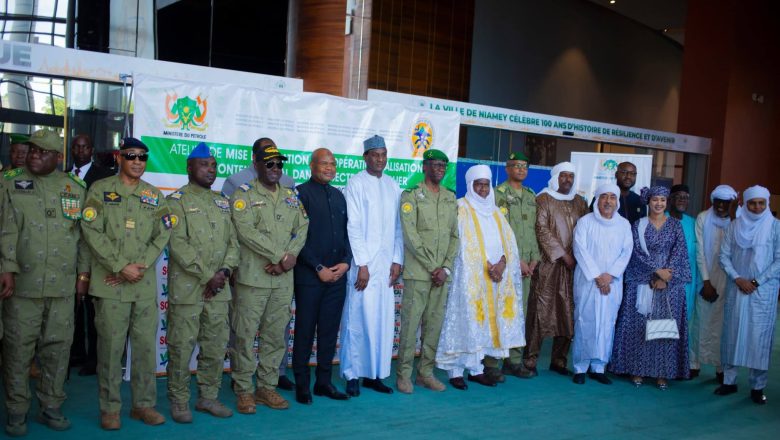
A workshop focused on local content in the oil sector saw participation from nearly five hundred Nigerien companies. This significant turnout noted the widespread interest and readiness of local enterprises to engage with the hydrocarbon industry. The event also included representatives from financial and legal services, with banks, law firms, notary offices, and accounting firms in attendance, demonstrating a broad spectrum of professional involvement. The workshop, launched by Prime Minister Ali Mahaman Lamine Zeine, served as a key platform for dialogue and strategy formulation. A ministerial panel was part of the workshop proceedings, featuring officials from the Ministries of Petroleum, Finance, Commerce, Professional Training, and Justice. This multi-ministerial presence showed the government's holistic approach to integrating local content. The workshop served as a platform for discussions on strengthening Nigerien participation in the hydrocarbon industry. Its aim was to outline strategies for national companies to engage more effectively in the oil sector, aligning with the country's broader economic integration goals. Participants explored mechanisms to enhance local capacity and ensure that international operators contribute to the development of national expertise, fostering a collaborative environment.
Strategic Importance
Local content provisions, while not new to Nigerien business practices, have historically lacked a structured legal framework. This new initiative marks the first instance where such a full and defined legal structure has been implemented to guide local participation within the oil sector. The ordinance aims to formalize and strengthen the engagement of national operators, ensuring their integration into the hydrocarbon industry through clear regulations. By establishing clear regulations and monitoring indicators, Niger seeks to maximize local benefits from its petroleum resources, ensuring that the wealth generated contributes directly to national development. This development signals a strategic shift towards enhancing national capabilities and economic involvement. The structured approach is intended to provide clarity and predictability for both local businesses and international operators, fostering a more strong and inclusive energy sector in Niger for years to come.