Convoys carrying new educational materials departed Niamey on Monday afternoon, initiating a nationwide distribution effort for the 2026-2027 school year. The initiative aims to provide tangible support to students in remote and conflict-affected areas across Niger. Officials stated this distribution seeks to reduce material obstacles to schooling, ensuring access to necessary resources for children in vulnerable regions. This significant logistical undertaking shows the government's commitment to bolstering educational opportunities across the nation. The departure of these convoys marks the official commencement of a program designed to reach every corner of the country, ensuring that key learning tools are available to all students.
Nationwide Reach and Priority Areas
Over 2,000 tons of notebooks, textbooks, and quality supplies were dispatched to all regions of Niger, marking a significant logistical undertaking for the national education system. This extensive distribution is designed to ensure that educational materials reach students across the entire country, including its most remote and vulnerable areas. The operation shows a broad effort to support learning environments nationwide as the new academic year approaches. The volume of materials notes the scale of the government's commitment to equipping students with essential resources for their studies. The supplies are expected to alleviate some of the challenges faced by schools in various regions, particularly those affected by insecurity or geographical isolation, thereby directly addressing material obstacles to schooling. This full approach ensures that students in remote and conflict-affected areas receive tangible support, which is key for their educational development.
Minister's Vision and Goals
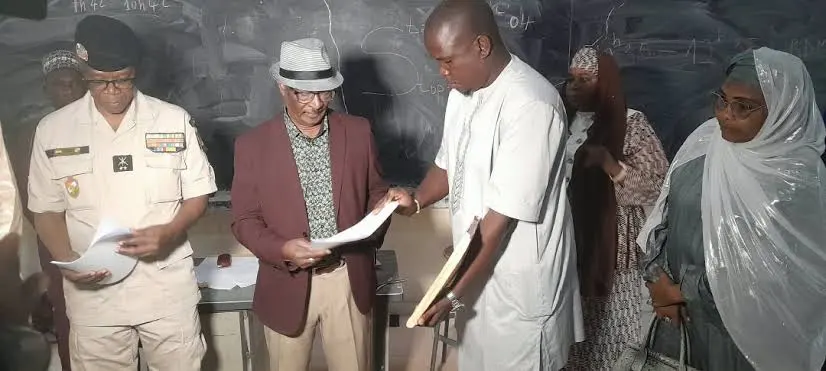
The Minister of National Education, Dr. Élisabeth Shérif, officially launched the expedition of learning materials, signaling the government's commitment to enhancing educational access nationwide. The launch event showed the strategic importance of providing essential school supplies to students across Niger, particularly those in remote and conflict-affected regions. This initiative aims to directly address material obstacles that often hinder schooling, thereby ensuring that children in vulnerable areas receive the necessary resources to support their education. The distribution effort is a key component of broader objectives to strengthen the national education system and promote equitable learning opportunities for all students as the 2026-2027 school year approaches. Dr. Shérif emphasized that equipping students with these fundamental tools is a prerequisite for effective learning and a step towards reducing educational disparities.
Sustaining Impact and Future Needs
Priority for the distribution of these educational materials was specifically directed towards the most isolated schools within the regions of Agadez, Diffa, Zinder, Maradi, and Tahoua. This targeted approach aims to reach students in areas facing significant logistical challenges and potential insecurity, ensuring that essential resources are delivered where they are most needed. The focus on these regions shows an effort to address educational disparities by prioritizing vulnerable and remote communities across the country, where access to resources can be most challenging. This strategic allocation of supplies is intended to provide tangible support and reduce material obstacles to schooling in these particularly underserved areas.
For the initiative to achieve lasting structural change, reports indicate a need for several accompanying measures. These include rigorous logistical follow-up to ensure materials reach their intended destinations efficiently and are utilized effectively. Additionally, strengthened protection measures are deemed necessary for both the distribution process and the schools themselves, particularly in conflict-affected zones. Sustained commitment from local authorities is also noted as key to maintaining the momentum and impact of the program beyond the initial distribution phase. The article suggests that for this initiative to create structural change, it must be accompanied by these full measures, ensuring not just delivery but also the security and effective use of the educational materials.