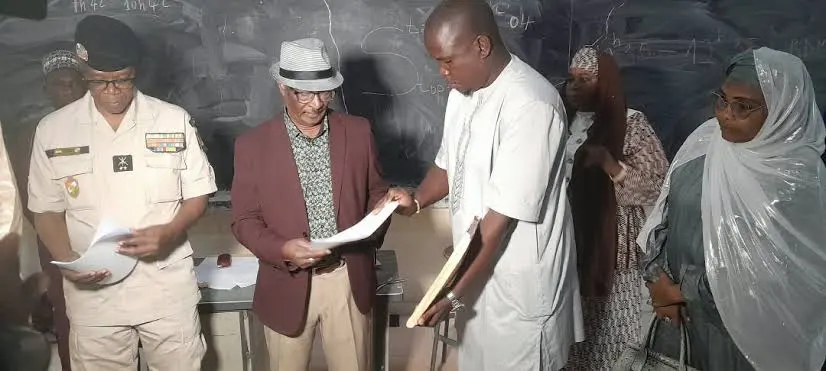
Written entrance exams for professional and technical training centers officially commenced on Saturday, September 12, in the city of Maradi. The significant event marked the beginning of a key selection process for aspiring professionals across various technical fields. Farmo Moumouni, the minister overseeing the sector, took on the responsibility of officially launching these examinations, showing the government's commitment to vocational education. This year's session saw a substantial number of participants, with a total of 1,662 candidatures authorized at the national level to participate in this competitive selection process. The nationwide scope of the exams notes the broad interest and demand for specialized technical training.
Exam Details and Scope
The full national technical training entrance exams are designed to identify promising candidates for various programs. The announced number of candidatures for this session of the national technical training entrance exams includes 1,379 individuals vying for entry into the basic cycle II programs. Additionally, 283 candidatures were authorized for the intermediate cycle I. These training programs are specifically focused on preparing students for the Brevet d’études professionnelles, a key qualification in the professional and technical education system. The curriculum for these programs is diverse and full, encompassing a range of essential fields. Specifically, the training covers the industrial sector, equipping students with skills vital for manufacturing and production. It also extends to the tertiary sector, preparing individuals for careers in services, administration, and commerce. The primary sector, including agriculture and resource extraction, is also a significant area of focus, ensuring a holistic approach to national development through skilled labor.
Regional Participation Figures
The nationwide examinations saw strong participation across different regions, reflecting the widespread interest in technical and professional training. In the Maradi region, a total of 176 candidates participated in the entrance exams, demonstrating local engagement with the educational initiative. Notably, 83 of these participants were girls, indicating a positive trend towards gender inclusion in technical fields within the region. These candidates were strategically distributed across three examination centers to facilitate access and ensure smooth operations. Two of these centers were conveniently located within the city of Maradi itself, serving the urban population, while an additional center was situated in Tessaoua, catering to candidates from that area.
Meanwhile, the Dosso region also reported significant candidate numbers, further illustrating the broad geographical reach of the technical training entrance examinations. In Dosso, the total number of candidates reached 391, showing the strong demand for vocational education in this part of the country. These examinees were accommodated across two distinct centers specifically established for the exams to manage the large turnout effectively. One of these vital centers was located in the regional capital of Dosso, providing accessibility for many candidates. The second center was set up in Dogondoutchi, ensuring that candidates from a wider geographical area within the region could participate without undue travel burdens. The full regional figures highlight the extensive organizational effort and the broad geographical reach of the technical training entrance examinations, aiming to provide opportunities across the nation.
Official Launch and Site Visits
The official launch ceremony in Maradi was a significant event, marking the formal commencement of the examinations. The competition was officially opened by the deputy secretary-general of the region, Mamoudou Hassan Hamadou, who emphasized the importance of these exams for the region's development. Following the successful launch of the examinations in Maradi, the minister in charge of the sector, Farmo Moumouni, proceeded with a series of important visits. These visits were aimed at assessing the infrastructure and ongoing projects related to technical education. The minister meticulously inspected various facilities and construction sites connected to technical education, demonstrating a hands-on approach to overseeing the sector's progress. A key part of these visits included an inspection of ongoing renovation work at the local technical high school, ensuring that future students will benefit from improved learning environments and modern facilities.