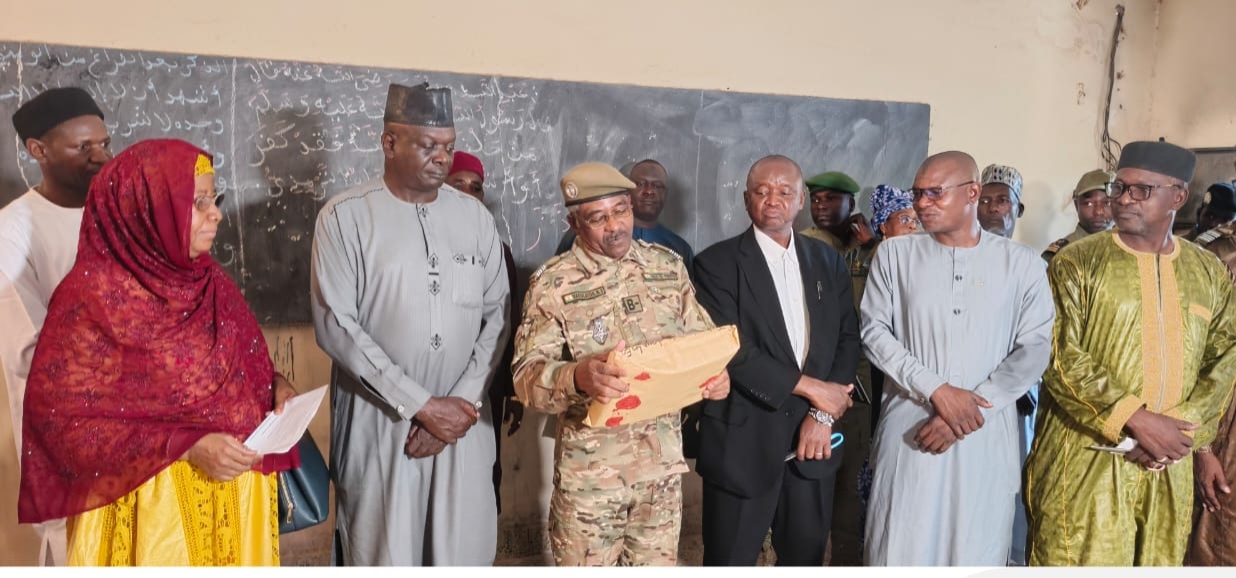
Niger's Président Tiani met with Algérie's Ambassador in Niamey, Niger, on Wednesday, as regional dynamics continue to evolve. This high-level diplomatic engagement took place in the Nigerien capital, signaling an active approach to international relations for Niger. The meeting focused on strengthening bilateral relations between the two nations and exploring avenues for cooperation on mutual security and economic interests. Both countries share a significant common border, making such dialogues key for regional stability and collaborative efforts. Discussions between the leaders centered on the current political climate in the Sahel region, a topic of increasing concern for both Niger and Algérie due to its complex and evolving nature.
The encounter shows ongoing diplomatic efforts by Niger's leadership to engage with neighboring countries amidst significant regional shifts. This proactive stance notes Niger's commitment to fostering strong regional partnerships in a period marked by considerable geopolitical changes. Officials from both sides emphasized the importance of dialogue in addressing shared challenges, including border security and humanitarian concerns. Such discussions are vital for developing coordinated strategies to manage the multifaceted issues impacting the region. Further details regarding specific outcomes of the meeting were not immediately released, but the engagement signals a continued commitment to regional stability and collaboration between Niamey and Algiers. This commitment is seen as essential for navigating the complex security and economic landscape of the Sahel.
Key Discussions and Outcomes
Président Tiani and Algérie's Ambassador engaged in extensive discussions during their Wednesday meeting in Niamey, Niger, focusing on several critical areas of bilateral cooperation. The primary objective was to reinforce the existing diplomatic ties between Niger and Algérie, two nations sharing a significant common border and regional concerns. This reinforcement is particularly important given the shared security challenges and the need for coordinated responses. Both parties explored various avenues for collaboration, particularly in relation to mutual security interests. These discussions aimed to identify practical steps for enhancing cooperation on shared threats. The talks showed a shared commitment to addressing the complex security landscape prevalent across the Sahel region, recognizing that collective action is more effective than isolated efforts.
A key aspect of the dialogue involved an in-depth assessment of the current political climate within the Sahel. This region has experienced a period of heightened instability, making such discussions particularly pertinent for both Nigerien and Algerian leadership. The assessment included an exchange of perspectives on the evolving geopolitical situation and its implications for regional peace. The meeting provided a platform for both sides to exchange perspectives on the challenges posed by evolving regional dynamics, including cross-border security threats and the broader implications for stability. This allowed for a full understanding of the threats facing both nations and the wider region. Officials from both nations emphasized the necessity of a coordinated approach to manage these challenges effectively, noting the importance of joint strategies.
The discussions extended to economic cooperation, with an aim to identify opportunities that could benefit both countries. This included exploring potential joint initiatives to boost trade and investment between Niger and Algérie. While specific projects or agreements were not detailed immediately, the engagement indicated a mutual interest in fostering economic growth and development through joint initiatives. Such initiatives are key for creating sustainable development pathways in the region. The focus on economic collaboration is seen as a complementary effort to enhance regional stability, by addressing underlying factors that contribute to insecurity. Addressing issues like poverty and lack of opportunity through economic development can help mitigate risks.
The meeting also touched upon humanitarian concerns, reflecting the shared understanding of the impacts of regional crises on civilian populations. Both Niger and Algérie have been affected by humanitarian challenges, including displacement and resource scarcity, necessitating a collaborative response. The leaders discussed ways to improve humanitarian aid delivery and support for affected communities. The dialogue between Président Tiani and Algérie's Ambassador served to strengthen the framework for future cooperation on these pressing issues, demonstrating a continued commitment to regional partnership and collective problem-solving. This commitment extends to ensuring the well-being of populations impacted by regional instability.
Algeria's Regional Stance
Algeria has consistently positioned itself as a key regional player, advocating for stability and diplomatic solutions across the Sahel and North Africa. The country's foreign policy prioritizes non-interference in the internal affairs of sovereign states while actively engaging in mediation efforts to resolve conflicts. This approach is often rooted in its own historical experience and a commitment to preserving regional security, particularly along its extensive borders. Algeria believes that respecting national sovereignty is fundamental to long-term stability.
Algiers has frequently expressed concerns regarding the proliferation of armed groups and the destabilizing effects of transnational crime in the Sahel. These concerns are driven by the direct impact such phenomena can have on Algeria's own security. Its diplomatic engagements often emphasize the need for coordinated regional responses to these challenges, promoting multilateral cooperation over unilateral actions. Algeria advocates for a unified front against threats that transcend national borders. Algeria's stance is informed by a recognition that instability in neighboring countries can have direct implications for its own security and economic well-being. Therefore, it views regional stability as intrinsically linked to its national interests.
The country's diplomatic initiatives include hosting peace talks and facilitating dialogue between various factions in conflict zones. These efforts aim to foster reconciliation and sustainable peace agreements. Algeria has also been a proponent of African-led solutions to African problems, urging continental bodies such as the African Union to take leading roles in addressing regional crises. This advocacy aligns with its broader vision of fostering greater political and economic integration within the continent. It believes that regional actors are best placed to understand and resolve their own challenges.
Algeria maintains significant economic interests in the region, particularly concerning energy resources and trade routes. The security of these interests is intrinsically linked to the overall stability of the Sahel. Protecting these economic lifelines is a key motivator for its diplomatic engagements. Consequently, its diplomatic overtures often include proposals for economic development and infrastructure projects aimed at addressing the root causes of instability, such as poverty and lack of opportunity. By tackling these fundamental issues, Algeria seeks to build a more resilient and prosperous region.
Algeria's relationship with Niger, sharing a long land border, is particularly significant in this context. The shared frontier necessitates close coordination on security matters and border management. The ongoing dialogue between the two nations shows a mutual understanding of shared security threats and the imperative for close collaboration. This collaboration is seen as essential for effective counter-terrorism efforts and managing cross-border challenges. Algiers views its engagement with Niamey as vital for maintaining peace and security along their common frontier and for contributing to broader regional stability. Its consistent message emphasizes dialogue, cooperation, and the search for sustainable, long-term solutions to complex regional issues. This approach aims to foster enduring peace and prosperity.
Niger's Evolving Diplomacy
Niger's recent diplomatic engagements reflect a strategic effort to recalibrate its international relations amidst a complex regional environment. The meeting between Président Tiani and Algérie's Ambassador in Niamey shows an active approach to diplomacy, particularly with neighboring states. This proactive engagement is key for Niger as it navigates a period of significant regional changes and challenges. This engagement signals Niger's intent to strengthen bilateral ties and foster cooperation on shared challenges, including security and economic development. Building strong partnerships is a cornerstone of this evolving diplomatic strategy.
The focus on reinforcing existing diplomatic ties indicates a recognition within Nigerien leadership of the importance of regional partnerships. These partnerships are considered vital for collective security and economic advancement. Such efforts are key for addressing the multifaceted security landscape prevalent across the Sahel region, which has seen increased instability. By engaging directly with Algérie, Niger aims to coordinate responses to common threats and ensure regional stability. This collaborative approach is seen as more effective in countering transnational security challenges.
Discussions surrounding the current political climate within the Sahel highlight Niger's proactive stance in addressing regional dynamics. The country's leadership is actively seeking platforms to exchange perspectives and strategize on managing the implications of cross-border security threats. This includes sharing intelligence and coordinating operational responses. This approach emphasizes the necessity of a coordinated regional effort to maintain peace and security. Niger recognizes that regional problems require regional solutions, developed through mutual understanding and cooperation.
Beyond security, Niger's diplomatic overtures also extend to economic cooperation. The exploration of opportunities to benefit both Niger and Algérie suggests a broader vision for regional stability, one that incorporates economic growth and development. This includes identifying potential areas for joint investment and trade enhancement. This integrated approach aims to tackle underlying factors that contribute to insecurity, such as poverty and lack of opportunity. By fostering economic ties, Niger seeks to build a more stable and prosperous future for its citizens.
Humanitarian concerns also featured in the diplomatic dialogue, reflecting Niger's commitment to addressing the impacts of regional crises on civilian populations. With both Niger and Algérie facing humanitarian challenges, the emphasis on collaborative responses demonstrates a shared understanding of these pressing issues. This includes coordinating aid efforts and supporting displaced communities. This strengthens the framework for future cooperation on humanitarian aid and assistance. Niger's leadership recognizes the importance of addressing the human cost of regional instability.
The ongoing dialogue between Niger and Algérie, particularly given their long shared land border, is a vital component of Niger's evolving diplomatic strategy. This shared geography makes close cooperation indispensable for both nations. It reflects a mutual understanding of shared security threats and the imperative for close collaboration. These engagements are key for maintaining peace and security along their common frontier and for contributing to broader regional stability, aligning with a message of dialogue, cooperation, and the search for sustainable solutions. Niger's commitment to these principles shows its dedication to a peaceful and prosperous future for the Sahel.