Niger experienced a range of activities in mid-September 2026, including a football tournament victory, the launch of a national entrance examination, and new regulations for traditional medicine. On September 14, Élite FC secured victory in the 12th edition of the TGV du quartier aéroport football tournament held in Niamey, marking a significant sporting achievement for the team. Two days prior, on September 12, the Minister of Technical and Vocational Education and Training officially launched the 2026 entrance examination for Technical and Vocational Training Schools in Maradi, marking a key step for aspiring students seeking to pursue vocational education. This initiative is key for developing skilled labor in various technical fields across the nation. Earlier in the month, on September 9, new stringent regulations were introduced for traditional pharmacopoeia across Niger, aiming to standardize practices within the sector and ensure the safety and efficacy of traditional medicines. These regulations are expected to bring greater oversight and professionalism to the traditional healing community.
Sécurité et Gouvernance Renforcées
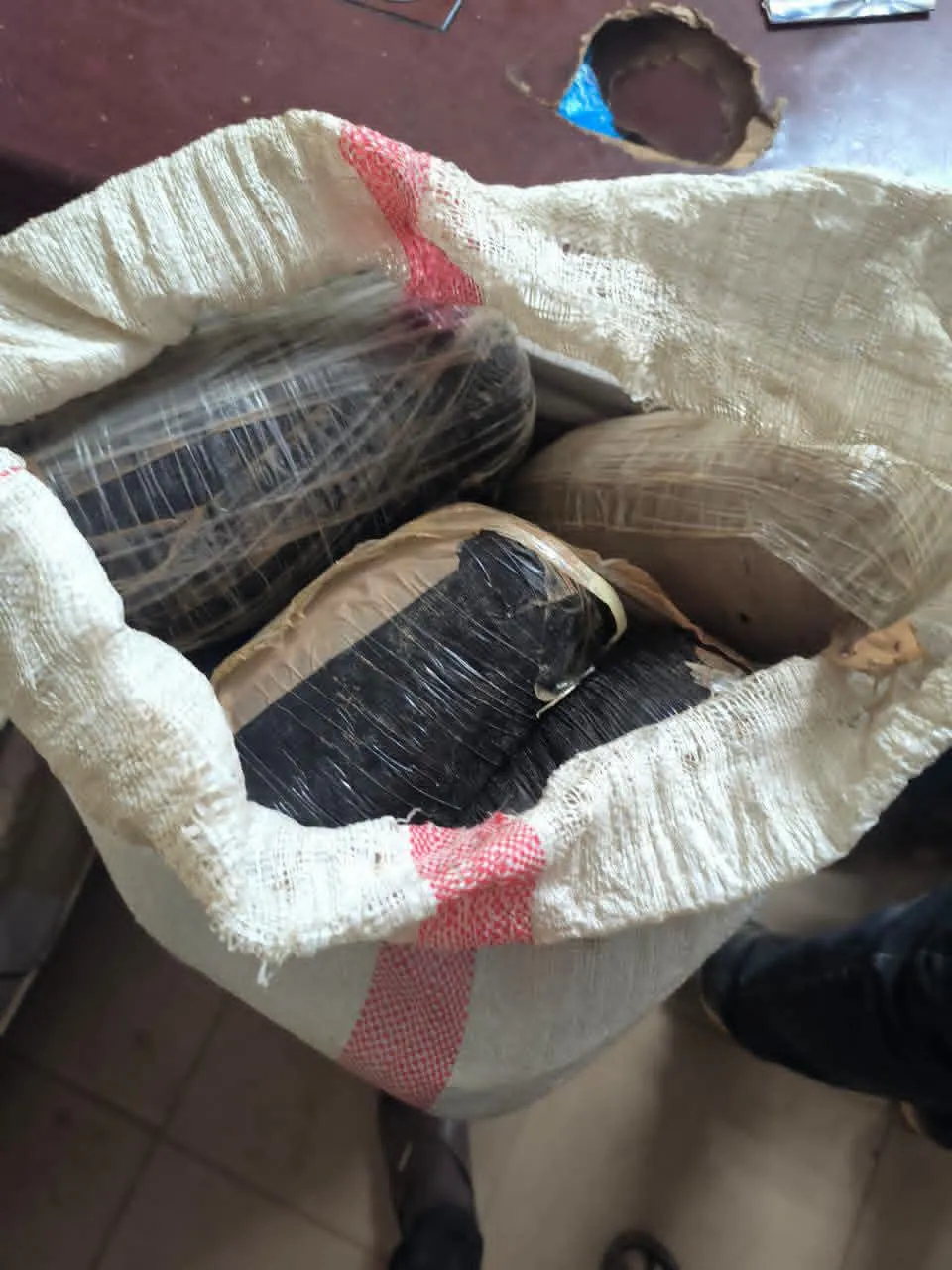
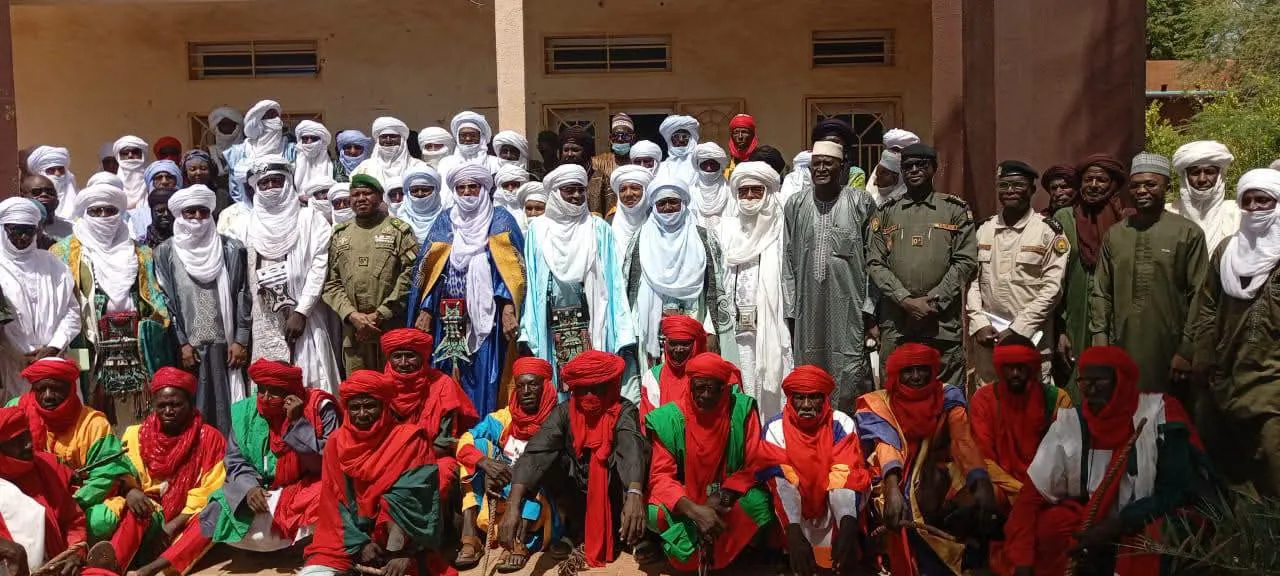
Niger's leadership enacted significant shifts in its military command and continued preparations for national defense in September 2026. On September 11, Président Tiani renewed the country's military command, a decision that shows the ongoing efforts to bolster national security and strategic leadership within the armed forces. This renewal is seen as a move to optimize military operations and ensure a strong defense posture. Concurrently, efforts to combat insecurity were visible across various regions. In Zinder, defense and security forces conducted a ceremony on September 14 for the incineration of seized narcotics, a public display of their commitment to fighting drug trafficking and its associated crimes. This action notes the continuous battle against illicit substances that fuel instability. In Tahoua, traditional leaders participated in a sensitization session on September 12, focusing on their key role in promoting peace, local security, and social cohesion. Their involvement is deemed essential for fostering community-level stability and resolving local disputes.
National mobilization efforts were also underway. On September 3, the President of the CCR met with the president of the committee tasked with preparing the implementation of general mobilization for national defense in Niamey. This high-level meeting signifies the government's serious commitment to national defense readiness and citizen participation. This followed an earlier meeting on July 28 in Niamey, where the Prime Minister received members of the Commission responsible for general mobilization preparations, indicating a sustained focus on this critical national initiative. Earlier, on July 26, the Mouvement M62 organized a pan-African conference discussing sovereignty and patriotism, marking the National Day of Sovereignty and Patriotism. This event served as a platform to reinforce national identity and collective responsibility towards the nation's independence and self-determination.
International engagement and military readiness were also noted. On July 20, the President of the CCR Djingarey received the head of the Independent Strategic Review (RSI) mission, signaling Niger's openness to external evaluation and strategic partnerships in defense matters. In Dosso, discussions on September 11 focused on restructuring regional self-defense committees as part of the fight against insecurity, aiming to enhance local capacity for maintaining order and protecting communities. Military inspections were conducted in various regions, with the Chief of Staff of the Army undertaking a working mission to military units in the Zinder region on September 10. This mission allowed for direct assessment of troop readiness and operational capabilities. The Chief of Staff of the Army also conducted an inspection mission of troops in Agadez on September 9, further emphasizing the command's commitment to ensuring all units are prepared. The military also celebrated the success of its training programs, with the 21st promotion of the School for the Training of Officers of the Niger Armed Forces triumphing on September 9. This graduation marks the addition of new, well-trained officers to the national defense forces. Separately, on July 28 in Niamey, the President of the BOAD provided an update to the President of the Republic on his institution's activities in Niger, noting ongoing financial and developmental support from the West African Development Bank.
Développement Agricole et Économique
Niger's economic and agricultural sectors saw various developments and policy discussions in late summer 2026, including international partnerships and market adjustments. On September 8, Algérie Télécom signed two partnership agreements with Niger Télécom and ESCEP-Niger, fostering cooperation in the telecommunications sector. These agreements are expected to enhance connectivity, improve digital services, and promote technological exchange between the two nations, benefiting both businesses and citizens. Concurrently, agricultural markets experienced shifts, with the Agricultural Market Information System (SIMA) reporting a decrease in cereal prices across Niger on September 11. This reduction in prices is a welcome development for consumers, potentially improving food accessibility. This followed an earlier SIMA report on August 17, which also indicated a general drop in the prices of agricultural products on markets nationwide, suggesting a broader trend of improved supply or reduced demand for foodstuffs.
Preparations for the 2026 agricultural campaign were underway, with initial millet harvests presented to authorities in the department of Falmey on August 29. These early harvests are key indicators for the overall agricultural season and provide vital food resources. In a broader policy move, Niger announced its intention to establish a national agricultural policy for 2027-2035, along with an accompanying action plan for 2027-2029, as reported on August 17. This long-term strategic framework aims to modernize the agricultural sector, enhance food security, and improve the livelihoods of farmers across the country. Addressing land management, an regional workshop on land governance and conflict prevention opened in Diffa on August 15. The workshop focused on developing sustainable land management practices and mitigating disputes over land resources, which are common in agricultural regions. The Governor of the Dosso region visited the Bossadje hydro-agricultural site on August 14, noting it as a model of resilience and hope for food security. This site demonstrates successful agricultural innovation and sustainable water management.
Support for livestock farmers was also noted during the FARCUB 2026 event on September 8, where CAIMA made 50 tonnes of wheat bran available at a reduced price. This initiative aims to assist livestock owners in maintaining their herds, especially during challenging periods, and contributes to the stability of the livestock sector. Regulatory actions were also taken, with the Governor of the Maradi region ending the street sale of gasoline on September 3. This measure seeks to formalize fuel distribution, enhance safety, and combat illicit trade. Environmental concerns emerged in Tillabéri on September 3, where local fishermen expressed distress over the increasing depletion of fish in the river. This situation poses a threat to their livelihoods and the region's ecological balance, calling for urgent environmental intervention. In a separate economic engagement, the Prime Minister received a delegation from the West African Development Bank (BOAD), led by its president, M. Serge Ekué, in Niamey on July 28. This meeting likely focused on ongoing and future development projects funded by the BOAD in Niger, reinforcing economic partnerships.
Santé, Éducation et Initiatives Sociales
Niger officially launched a direct recruitment competition for 100 agents to the Public Service on September 12, aiming to strengthen the national workforce. This initiative seeks to bring new talent into public administration and improve government services. In Tahoua, a collective fast-breaking event was held on September 8, followed by Qunut prayers to invoke peace and stability across Niger. This spiritual gathering shows the community's desire for national harmony and well-being. Education initiatives continued in Tahoua, where 232 candidates competed on September 14 for entry into the Kaocen Teacher Training College. This competition is key for selecting future educators who will shape the minds of the next generation.
On September 8, the Chief of Canton of Tamaské donated observation beds and delivery tables to the Hiro Integrated Health Center (CSI), enhancing local healthcare facilities. This donation significantly improves the center's capacity to provide essential medical services, particularly for maternal and child health. The 2nd Medical-Surgical Days concluded on September 5, with discussions revisiting current challenges in military medicine. The event provided a platform for medical professionals to share insights and strategies for improving healthcare for armed forces personnel. Earlier, on September 4, a regional campaign was launched in Tahoua, offering free screening and surgical treatment for cataracts. This humanitarian effort aims to restore sight and improve the quality of life for many individuals in the region.
Médecins Sans Frontières (MSF) Switzerland reinforced the capacities of health structures in Niamey on September 3 to address the seasonal peak of malaria cases. This intervention is vital in combating one of the most prevalent diseases in the region, ensuring that health facilities are well-equipped to handle increased patient loads. The 2nd Medical-Surgical Days had opened in Niamey on September 3, focusing on the care of war-wounded individuals. This specialized medical conference brought together experts to discuss advanced techniques and best practices for treating complex injuries sustained in conflict zones. In Niamey, young people with disabilities engaged in the production of fences on September 1, demonstrating their involvement in economic activities. This initiative promotes inclusion and provides valuable vocational training and employment opportunities for a vulnerable population group. The entrance examination for the Zinder regional Teacher Training College (ENI) for the 2026 session was officially launched in Zinder on September 14. This launch marks another important step in the recruitment of future teachers, ensuring a continuous supply of qualified educators for the region's schools.
Activités Sportives et Culturelles
Niger's sports and cultural landscape saw several notable events in September 2026. On September 11, Algerian Nabil Neghiz was appointed as the new coach for the national football team, the Mena National. Neghiz is described as an experienced technical manager tasked with guiding the team to new achievements. His appointment is expected to bring fresh strategies and renewed vigor to the national squad, with hopes for improved performance in upcoming competitions. In Dosso, Banizoumbou FC was crowned champion of the inaugural edition of the Sultan of Dosso Cup on September 7. This victory marks a historic moment for the club and adds a new prestigious tournament to the national football calendar. Earlier in the month, on September 5, Liberté FC secured victory in the second edition of the Civilo-Military TGV Maracana Tournament in Agadez. This tournament fosters camaraderie between civilian and military communities through sports.
Agadez also hosted the 2026 edition of Tamalgha, known as the great camel race, with Alwat welcoming the event on September 13. This traditional cultural spectacle attracts participants and spectators from across the region, celebrating the rich heritage of the nomadic communities. Culturally, Dosso held a "Nuit Écologique" on August 3, described as a festive and civic evening mobilizing citizens for tree planting. This event combined environmental awareness with community celebration, promoting ecological responsibility. Additionally, on July 30, the President of the CCR received a delegation of young campers from the Niamey Military Prytaneum, engaging with future leaders. This interaction provided an opportunity for the youth to meet with national leadership and discuss their aspirations.