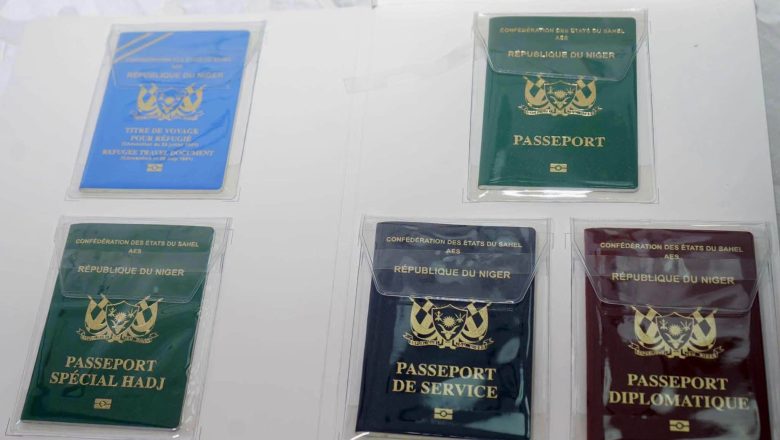
Niger officially launched the operational biometric passport of the Alliance of Sahel States (AES) on July 16, 2026. President of the Republic Abdourahamane Tiani became the first applicant enrolled for the new document, marking the symbolic start of the initiative. This significant event signifies a major step forward for regional cooperation. The new biometric passport aims to further secure traveler identities and facilitate border controls within the region, thereby enhancing both national and regional security. This launch shows Niger's commitment to modernizing its travel documentation in line with international best practices.
Advanced Security Features Detailed
The new biometric passport is designed to meet stringent international security standards, incorporating advanced features to enhance security and reliability. It functions as a fully digitized travel document, providing a modern and efficient approach to identification for citizens and residents. The system records both personal and biometric data of its holder, ensuring full data capture for each individual. This careful data collection is key for maintaining a high level of security. This integration of biometric data and advanced electronic elements is specifically included to counter both fraud and identity theft, offering strong protection against illicit activities. The reform introduces five distinct categories of passports to serve different travel needs, reflecting the diverse requirements of travelers. These categories include Ordinary, Service, Diplomatic, Special Hadj, and Refugee passports, catering to a wide range of travelers and purposes, from official state business to humanitarian travel. Each category is meticulously designed to meet specific regulatory requirements and international conventions.
Regional Harmonization Efforts
Niger, Burkina Faso, and Mali have initiated a process to harmonize their identity and travel documents within the framework of the Alliance of Sahel States (AES). This concerted effort aims to standardize official documents across the member states, fostering greater cohesion and interoperability. The primary objective of this harmonization is to ensure that all passports meet identical security standards and display a common visual identity. This consistency is vital for creating a smooth travel experience within the alliance and for strengthening regional trust. Such a unified appearance and consistent security protocol are designed to streamline travel and identification processes within the alliance, making cross-border movements more efficient and secure.
The uniformization of these travel documents represents a key component of the ongoing cooperation among the three countries. This collaboration is specifically focused on strengthening administrative integration across their borders, which is essential for fostering deeper regional ties. Additionally, the initiative is intended to bolster the digital sovereignty of the AES member nations, allowing them greater control over their digital infrastructure and data. By adopting shared standards and a common visual presentation for passports, the alliance seeks to enhance both security and interoperability for its citizens, ensuring that travel documents are recognized and trusted across all member states. This move underpins a broader strategy to solidify regional ties through tangible administrative reforms, demonstrating a commitment to collective security and development. The goal is to have passports that meet the same security standards and present a common visual identity, thereby reinforcing the collective identity of the AES.
Implementation and Technical Details
The Direction de la Surveillance du Territoire (DST) of the National Police is responsible for the implementation of the new biometric passport project. This critical initiative operates in collaboration with the company Al Itsal Aljadid. Al Itsal Aljadid works alongside its local partner, Hasdi, to manage the technical aspects and operational rollout of the system. This full partnership ensures the secure and efficient processing of the new travel documents, from application to issuance. The collaboration combines the national security oversight of the DST with the specialized technical expertise of the private sector, facilitating the advanced features integrated into the passports. This multi-faceted approach guarantees that the system is strong, reliable, and capable of handling the demands of a modern biometric identification system. The involvement of both national security agencies and private technology firms notes the complexity and importance of this project for Niger's national security and regional integration efforts.