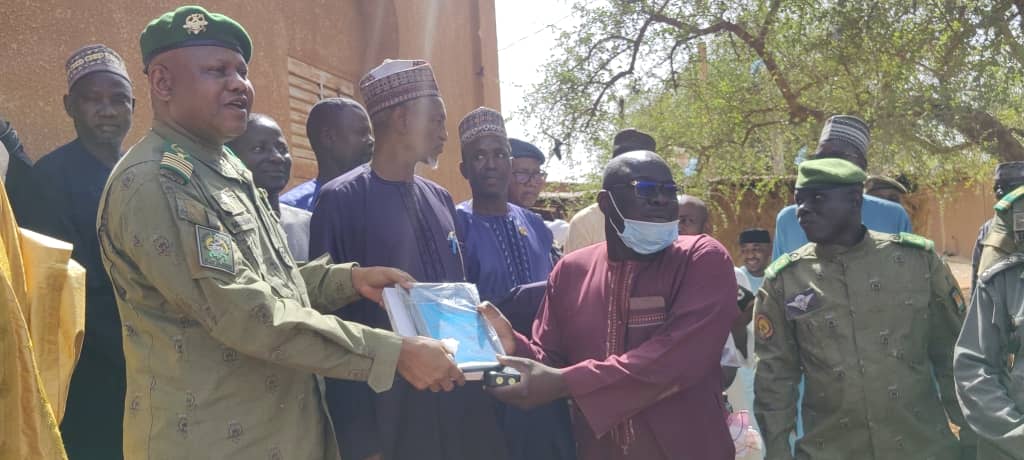
Niger aims to reframe its international image as it confronts ongoing security challenges and strives for economic development across its eight regions, including Niamey, Tillabéry, Tahoua, Agadez, Zinder, Diffa, Dosso, and Maradi. The African nation, which shares borders with Mali and Nigeria, seeks to present a stabilized environment conducive to both internal progress and foreign engagement. This initiative follows a period of heightened geopolitical scrutiny and regional instability, particularly concerning its northern and western frontiers. The government is actively working to mitigate these challenges, ensuring that its efforts towards stability are recognized globally.
The government in Niamey is actively engaging various stakeholders to communicate its vision for the future, emphasizing its commitment to addressing internal issues while fostering partnerships. Efforts are underway to highlight Niger's potential beyond current perceptions, focusing on its strategic position and resources. This broader communication strategy is designed to attract investment and support for national development initiatives. By showcasing its unique advantages, Niger hopes to draw in the necessary capital and expertise for its ambitious development agenda.
Government's New Vision
The government in Niamey is actively engaging various stakeholders to communicate its vision for the future, emphasizing its commitment to addressing internal issues while fostering partnerships. Efforts are underway to highlight Niger's potential beyond current perceptions, focusing on its strategic position and resources. This broader communication strategy is designed to attract investment and support for national development initiatives across all eight regions, including Tillabéry, Tahoua, Agadez, Zinder, Diffa, Dosso, and Maradi. The administration believes that a clear and consistent message is key for securing international cooperation.
The administration aims to present a stabilized environment, conducive to both internal progress and foreign engagement, as it confronts ongoing security challenges. Niamey's strategy involves proactive communication to counter narratives that might overshadow the nation's efforts towards stability and growth. This approach seeks to reshape how the international community views Niger, moving past perceptions solely defined by regional instabilities, particularly along its borders with Mali and Nigeria. The government is determined to demonstrate its capacity for self-determination and sustainable development.
Officials are working to showcase the country's initiatives in various sectors, hoping to draw attention to opportunities for collaboration and economic development. The focus is on demonstrating tangible progress and a clear direction for the country's future. This includes outlining specific plans for infrastructure, resource management, and improving the quality of life for its citizens. These detailed plans are intended to provide concrete evidence of the nation's commitment to progress.
The government's communication efforts extend to various international forums and bilateral discussions, where Nigerien representatives articulate the nation's priorities and progress. These engagements are designed to build confidence among potential partners and investors, illustrating a commitment to transparency and good governance. The objective is to foster a more accurate understanding of the country's current state and its aspirations. Through these diplomatic channels, Niger seeks to present itself as a reliable and responsible actor on the global stage.
Ultimately, Niamey seeks to establish a reputation as a reliable and forward-looking partner on the global stage. The government's new vision centers on sustained development, regional stability, and strengthening its diplomatic and economic ties worldwide. This full strategy is vital for securing the necessary support to realize its long-term goals. The goal is to ensure that Niger's narrative is shaped by its own progress and potential, rather than external assumptions.
Strategic Initiatives Unveiled
Niger has commenced several strategic initiatives aimed at bolstering its economic development and enhancing security across its eight regions, including Niamey, Tillabéry, Tahoua, Agadez, Zinder, Diffa, Dosso, and Maradi. These efforts are part of a broader national strategy to project an image of stability and progress to the international community, countering perceptions shaped by regional instability, particularly along its borders with Mali and Nigeria. The government in Niamey is focusing on specific sectors to demonstrate tangible advancements and attract foreign investment. These initiatives are foundational to the nation's long-term prosperity.
One key area of focus involves infrastructure development, with projects underway to improve transportation networks and access to essential services. These initiatives are designed to facilitate internal trade and connect remote areas, thereby supporting local economies. Concurrently, resource management strategies are being refined to ensure sustainable utilization of Niger's natural assets, contributing to long-term economic resilience. This includes reviewing policies related to mining and agricultural practices to maximize benefits for the populace. The government aims to ensure that these valuable resources contribute directly to the well-being of its citizens.
Security sector reforms constitute another critical component of these strategic initiatives. Niamey is implementing measures to strengthen its defense capabilities and improve internal security operations across all regions. The objective is to create a more secure environment for citizens and investors alike, addressing challenges posed by various threats. These efforts are particularly concentrated in border regions such as Tillabéry, which shares a frontier with Mali, and the areas adjacent to Nigeria. The government is committed to ensuring peace and stability as a prerequisite for development.
Public engagement and communication campaigns are also central to the government's strategy. Officials are actively disseminating information about national progress and future plans through various channels, both domestically and internationally. This proactive approach seeks to ensure that stakeholders are well-informed about the country's trajectory and the opportunities it presents. The government aims to foster greater transparency regarding its governance and development priorities. This open communication is intended to build trust and encourage participation in national development.
Niger is pursuing economic diversification to reduce reliance on single commodities and create new avenues for growth. This involves encouraging investment in emerging sectors and supporting small and medium-sized enterprises. The government projects these initiatives will lead to job creation and improved living standards across the nation. Diplomatic engagements are also being prioritized to forge new international partnerships and reinforce existing alliances, aligning with the country's vision for global integration and cooperation. The diversification strategy is designed to build a more resilient and dynamic economy.
International Engagement and Diplomacy
Niger is actively pursuing a strategy of renewed international engagement and diplomacy to bolster its global standing and attract support for its development goals. The government in Niamey is prioritizing the establishment of new partnerships and the strengthening of existing alliances, acknowledging the critical role of external cooperation in achieving national objectives. This diplomatic push is a central component of Niger's broader effort to reshape global perceptions, moving beyond narratives focused solely on regional security challenges. The nation views strong international relations as indispensable for its future.
Representatives from Niamey are engaging with various international bodies and foreign governments to articulate the nation's vision for economic progress and stability. These discussions often highlight Niger's strategic location and its potential as a partner in regional development. The administration aims to foster greater understanding of its internal reforms and its commitment to good governance, which are deemed essential for attracting foreign direct investment and development aid. These engagements are vital for showcasing Niger's evolving landscape and its readiness for collaboration.
The nation's diplomatic activities extend to addressing shared concerns, particularly in the realm of security. Niger shares borders with Mali and Nigeria, and its foreign policy emphasizes collaborative efforts to manage cross-border issues and enhance regional stability. Discussions with neighboring states frequently focus on intelligence sharing and coordinated security operations, particularly in regions like Tillabéry, which borders Mali, and areas adjacent to Nigeria. These engagements are vital for projecting an image of proactive leadership in regional security matters. By working closely with its neighbors, Niger reinforces its commitment to collective security.
Economically, Niger is seeking to diversify its partnerships beyond traditional allies, exploring opportunities with emerging economies and international organizations. This involves actively participating in forums and bilateral meetings designed to showcase investment opportunities in sectors such as infrastructure, resource management, and agriculture. The government is keen to present a stable and predictable environment for foreign investors, emphasizing its commitment to creating favorable business conditions across its eight regions, including Tahoua, Agadez, Zinder, Diffa, Dosso, and Maradi. This proactive approach aims to broaden the scope of its economic collaborations.
Cultural diplomacy also plays a role in Niger's international outreach, with efforts to promote its rich heritage and foster people-to-people connections. Such initiatives aim to build goodwill and deepen understanding, complementing economic and political engagements. Through these multifaceted diplomatic efforts, Niamey endeavors to cultivate a reputation as a reliable and forward-looking partner on the global stage. These cultural exchanges are seen as a way to enrich international relationships and highlight the nation's unique identity.