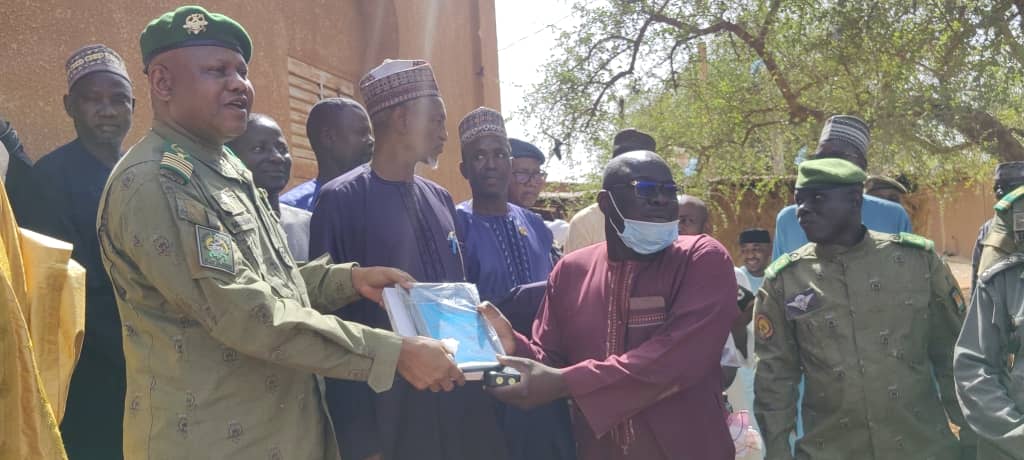
Delegated Administrators (ADs) from the Diffa, Maradi, and Zinder regions have formally pledged their support for a national education and training policy in Niger. The commitment was announced as part of broader efforts to strengthen the country's educational framework and improve vocational training across these key regions. This initiative aims to align regional educational strategies with national objectives, fostering a more cohesive and effective system for human capital development. The administrators articulated their readiness to implement directives and collaborate with central authorities to ensure the successful rollout of the policy’s provisions. Their unified stance notes a concerted regional effort to bolster educational outcomes and vocational skills development, addressing critical needs identified within their respective areas. The Delegated Administrators (ADs) of the Diffa, Maradi, and Zinder regions have made a solemn commitment to contribute to the implementation of the National Policy for Education and Vocational and Technical Training, showing the gravity and importance of this national endeavor.
The National Policy Framework
The commitment from regional administrators is specifically directed towards implementing the National Policy for Education and Vocational and Technical Training. This policy serves as the overarching framework designed to guide educational development and skills acquisition across Niger. Its focus encompasses both general education and specialized vocational pathways, aiming to create a more integrated and responsive system. The policy articulates national objectives for improving curriculum standards, enhancing teacher training programs, and expanding access to quality education, particularly in underserved areas. It prioritizes vocational and technical training to address critical skill gaps identified within the national labor market. The policy emphasizes the importance of aligning educational outputs with economic needs, fostering a workforce capable of contributing to national development initiatives. It also outlines strategies for resource allocation, stakeholder collaboration, and continuous evaluation to ensure its effectiveness and long-term sustainability. The policy's broad scope includes provisions for early childhood education, primary and secondary schooling, as well as adult literacy and lifelong learning programs. By integrating these various educational components, the National Policy for Education and Vocational and Technical Training seeks to establish a full and coherent educational ecosystem throughout the country. The pledge of support from administrators in Diffa, Maradi, and Zinder indicates a consensus on the strategic direction outlined by this national framework. This national policy represents a landmark effort to modernize and expand Niger's educational landscape, ensuring that all citizens have access to the knowledge and skills necessary for personal and national prosperity. It is built upon principles of equity, quality, and relevance, aiming to create an educational system that is both inclusive and responsive to the evolving demands of the 21st-century economy. The policy details specific measures for curriculum reform, including the integration of practical skills and digital literacy, to better prepare students for future employment and entrepreneurship. It also mandates regular assessments of educational programs to ensure they meet national standards and contribute effectively to human capital formation. The commitment of the regional administrators is a vital step in translating these ambitious policy goals into concrete actions on the ground, ensuring that the national vision is effectively localized and implemented across diverse regional contexts.
Commitment from Key Regions
Administrators from Diffa, Maradi, and Zinder voiced their collective support for the new national education and training policy. The administrators noted the importance of aligning regional educational initiatives with the broader national strategy. They emphasized that this unified approach would facilitate more effective implementation of educational reforms across their respective regions. This alignment is key for ensuring that resources are utilized efficiently and that educational outcomes are consistent across the country, reducing disparities between urban and rural areas. The collective endorsement reflects a shared understanding of the transformative potential of this policy for Niger’s future.
Officials in Diffa indicated that the policy's focus on vocational training would directly benefit local youth, preparing them for emerging economic opportunities within the region. They noted that customized training programs would be developed to meet specific local needs, ensuring that skills acquired are relevant to the regional job market. This localized adaptation is expected to enhance the policy's impact and foster sustainable development. The Diffa region, facing unique socio-economic challenges, sees vocational training as a key pathway to economic empowerment and stability for its younger population. Specific attention will be given to trades and skills that are in high demand locally, such as agriculture-related technologies, artisanal crafts, and basic technical services, which can directly contribute to local economies. The administrators are committed to establishing training centers equipped with modern tools and qualified instructors, ensuring that the youth receive practical, hands-on experience. This strategic focus aims not only to reduce unemployment but also to foster a spirit of entrepreneurship among the youth, enabling them to create their own opportunities and contribute to the region's resilience.
In Maradi, administrators stressed the significance of improving educational infrastructure and teacher training under the new policy. They underlined the necessity of providing adequate resources to schools and educational centers to ensure high-quality instruction. The policy's guidelines for curriculum enhancement were also cited as key for raising academic standards and improving student outcomes in the region. Maradi's commitment extends to renovating existing school buildings, constructing new classrooms where needed, and ensuring access to essential learning materials such as textbooks and digital resources. The emphasis on teacher training is particularly strong, with plans to implement continuous professional development programs that will equip educators with modern pedagogical techniques and subject matter expertise. This includes training in digital literacy and innovative teaching methods that can engage students more effectively. By investing in both physical infrastructure and human capital within the education sector, Maradi aims to create a conducive learning environment that nurtures academic excellence and prepares students for higher education or skilled employment. The regional authorities recognize that well-trained teachers are the cornerstone of a successful education system, capable of inspiring and guiding the next generation.
Authorities in Zinder expressed their commitment to expanding access to education, particularly in underserved rural areas. They pointed out that the national policy's provisions for increased accessibility would help reduce educational disparities. They stated that initiatives to promote adult literacy and lifelong learning would be vigorously pursued, benefiting a broader segment of the population. Zinder’s strategy involves establishing more community learning centers, implementing mobile schooling initiatives for remote populations, and leveraging technology to deliver educational content to areas with limited infrastructure. The focus on adult literacy programs is designed to empower individuals who missed out on formal education, providing them with foundational skills that can improve their livelihoods and civic participation. Lifelong learning initiatives aim to provide opportunities for continuous skill development and adaptation to new economic realities, ensuring that the adult population remains competitive in the labor market. The administrators in Zinder view expanded access as a fundamental right and a powerful tool for social equity and economic inclusion, ensuring that no segment of the population is left behind in the national development agenda.
The regional administrators collectively affirmed their readiness to collaborate closely with central government bodies and other stakeholders. They outlined plans for regular consultation and coordination to ensure smooth implementation of the policy's various components. This collaborative framework is intended to overcome potential challenges and maximize the effectiveness of the educational reforms. This includes working with local communities, parent-teacher associations, non-governmental organizations, and the private sector to garner broad support and participation. Regular progress reviews and feedback mechanisms will be established to monitor implementation, identify bottlenecks, and make necessary adjustments, ensuring that the policy remains dynamic and responsive to evolving needs. The commitment to a unified, coordinated approach shows the understanding that successful educational reform requires a concerted effort from all levels of governance and society.
Significance for Development
The commitment from regional administrators in Diffa, Maradi, and Zinder to the National Policy for Education and Vocational and Technical Training holds significant implications for Niger’s development trajectory. This policy aims to address critical skill gaps and enhance human capital, which are foundational for sustainable economic growth. By aligning educational outputs with the demands of the labor market, the policy seeks to foster a workforce capable of contributing to national development initiatives. This strategic alignment is vital for diversifying the economy, promoting innovation, and increasing productivity across various sectors. The development of a skilled workforce is a prerequisite for attracting foreign investment and fostering local entrepreneurship, both of which are essential for long-term economic prosperity.
Improved education and vocational training are considered essential for poverty reduction and social mobility within the country. The emphasis on expanding access to quality education, particularly in underserved rural areas, is projected to reduce disparities and promote inclusive development. Initiatives to promote adult literacy and lifelong learning are also integral to empowering a broader segment of the population, thereby enhancing their participation in economic and civic life. By equipping individuals with the tools to improve their economic standing, the policy directly tackles the root causes of poverty and inequality. It creates pathways for individuals to move from low-skilled, low-wage jobs to more productive and remunerative employment, fostering a more equitable society. The ripple effect of these educational advancements is expected to extend to improved health outcomes, greater civic engagement, and a more informed citizenry capable of making significant contributions to their communities and the nation.
Regional officials have noted that customized training programs would be developed to meet specific local needs, ensuring that skills acquired are relevant to regional job markets. This localized adaptation is expected to enhance the policy's impact and foster sustainable development by creating a direct link between education and regional economic opportunities. The focus on improving educational infrastructure and teacher training is intended to raise academic standards across all regions, ensuring that students receive high-quality instruction. This dual approach of local relevance and national quality assurance is designed to produce graduates who are not only skilled but also adaptable to changing market dynamics. The investment in infrastructure includes not just buildings but also technology, ensuring that students have access to modern learning tools. The enhanced training for teachers is key for delivering a curriculum that is both engaging and effective, preparing students for the challenges and opportunities of the future.
The collective support from these key regions for the national policy signifies a unified approach to educational reform across Niger. This collaboration between central government bodies and regional administrations is deemed key for the effective implementation of the policy's various components, aiming to overcome challenges and maximize the impact of educational reforms on national development. This unified front sends a strong message of national resolve and commitment to educational transformation. It demonstrates that despite regional specificities, there is a shared vision for a more educated and skilled populace, capable of driving Niger's progress. The coordinated efforts will allow for the sharing of best practices, efficient allocation of resources, and a more coherent national educational strategy that benefits all citizens. This collaborative spirit is fundamental to building a resilient and prosperous future for Niger, underpinned by a strong and responsive education system.
Looking Ahead
The unified commitment from regional administrators in Diffa, Maradi, and Zinder signals a concerted effort towards the effective implementation of Niger's National Policy for Education and Vocational and Technical Training. This policy's success hinges on ongoing collaboration between central authorities and regional administrations, ensuring that educational reforms are adapted to local contexts while adhering to national objectives. Future initiatives are expected to focus on translating policy directives into tangible improvements in educational infrastructure, teacher training, and curriculum development across all regions. The emphasis on vocational training and expanded access to education, particularly in underserved areas, is anticipated to address critical skill gaps and foster inclusive development. Continued monitoring and evaluation will be key to assess the policy's impact on human capital development and its contribution to Niger's long-term economic and social progress. This forward-looking approach will involve establishing clear benchmarks and indicators to measure progress against the policy's objectives. Regular reviews will allow for adjustments and refinements, ensuring that the policy remains relevant and effective in a dynamic environment. The long-term vision is to cultivate a learning culture that permeates all levels of society, from early childhood education to adult professional development. By investing in its people through full and accessible education, Niger aims to unlock its full potential, driving sustainable development and securing a brighter future for all its citizens. The commitment of these key regions is not merely a procedural endorsement but a strategic partnership vital for realizing this ambitious national vision.