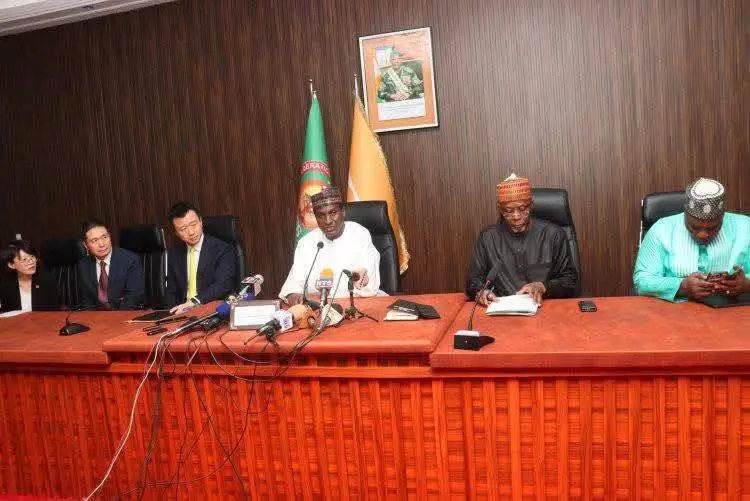
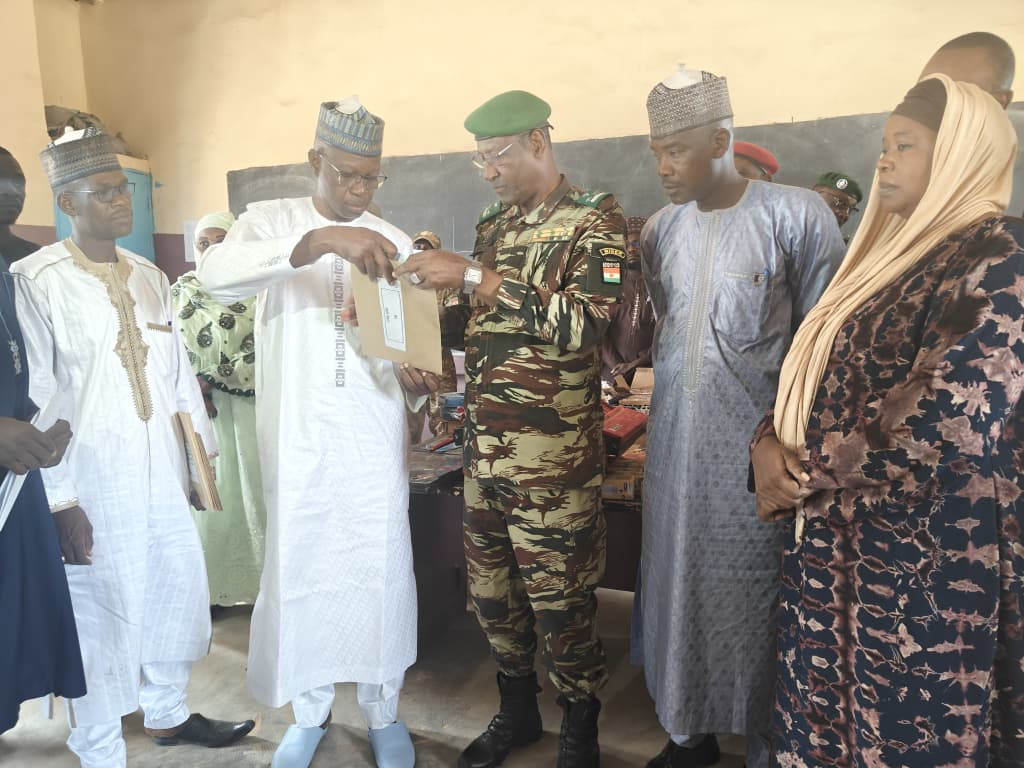
The Steering Committee of the Union of Students of Niger organized a meeting in Maradi, according to reports published on May 20, 2026. The gathering brought together representatives from the student body in the central Nigerien city, marking a significant moment for student advocacy within the nation. This assembly served as a key platform for student leaders from across various institutions to converge, share experiences, and collectively strategize on pressing issues impacting their academic and social lives. The decision to convene in Maradi showed the union's commitment to engaging with student concerns from different regions of Niger, ensuring a full representation of challenges faced by the diverse student population. The meeting aimed to consolidate a unified voice and action plan to address systemic problems within the educational sector.
Key Discussions and Resolutions
Delegates at the Union of Students of Niger meeting in Maradi focused on addressing pressing issues affecting students across the country. Discussions centered on several key areas identified as critical for student welfare and academic progression, reflecting a broad spectrum of challenges that students encounter daily. A primary concern raised was the persistent problem of scholarship payment delays, which many student representatives stated significantly impacted their ability to cover living expenses and tuition fees. These delays, often extending for several months, force students into precarious financial situations, sometimes leading to an inability to afford basic necessities like food and accommodation, or even to pay for essential academic materials. Multiple speakers noted the critical need for a more efficient and timely disbursement system to prevent financial hardship among students, emphasizing that predictable and prompt financial support is fundamental to their ability to pursue their studies effectively without undue stress. The delegates showed that these delays not only create immediate financial strain but also disrupt academic focus and can lead to higher dropout rates, ultimately hindering the nation's human capital development.
Another significant topic of deliberation involved the availability and quality of educational infrastructure. Representatives from various universities and colleges presented accounts of overcrowded classrooms, insufficient laboratory equipment, and inadequate library resources. These deficiencies, they argued, directly impede the learning process and limit students' access to essential tools for academic success. For instance, overcrowded classrooms often lead to a less effective learning environment, reducing individual student-teacher interaction and making it difficult for instructors to manage large groups. Insufficient laboratory equipment restricts practical learning opportunities, particularly in science and engineering fields, thereby compromising the quality of graduates. Inadequate library resources, including outdated collections and limited digital access, hinder research and independent study. The union emphasized that these deficiencies hindered effective learning and called for increased investment in educational facilities to meet the growing student population's needs. Proposals were made to advocate for government funding increases specifically earmarked for infrastructure development and maintenance, stressing the urgency of modernizing existing facilities and constructing new ones to accommodate the expanding student body.
The delegates also discussed strategies to enhance student representation and participation in university governance. Concerns were voiced about the limited influence students often had in decisions directly affecting their academic and social lives, leading to a perception of marginalization in institutional policy-making. Many representatives felt that student perspectives were often overlooked or given insufficient weight in critical decisions ranging from curriculum development to campus regulations. Resolutions were passed to push for greater student involvement in university councils and committees, aiming to ensure that student perspectives are adequately considered in policy-making processes. This included advocating for clear mechanisms for student feedback and engagement, such as regular forums, elected student representatives on all decision-making bodies, and transparent processes for addressing student grievances. The goal was to foster a more inclusive and democratic governance structure within higher education institutions, recognizing students as key stakeholders whose insights are invaluable for creating a conducive learning environment.
The meeting addressed issues related to student safety and security on campuses. Reports from various institutions indicated challenges ranging from petty crime to more serious incidents, prompting calls for improved security measures. These concerns included inadequate lighting in campus areas, lack of surveillance, slow response times to emergencies, and a general feeling of insecurity, particularly during evening hours. The union resolved to collaborate with university administrations and local law enforcement to implement more effective campus security protocols, including better lighting, surveillance, and emergency response systems. This collaboration would involve conducting full security audits, establishing clear communication channels between students and security personnel, and launching awareness campaigns on personal safety. The delegates stressed that a secure environment is critical for students to focus on their studies without fear for their personal well-being, noting that campus safety is a fundamental right and a prerequisite for academic success.
The delegates ultimately passed a series of resolutions outlining their collective demands and strategies. These resolutions included a formal petition to the Ministry of Higher Education, Research, and Innovation, detailing the urgent need for timely scholarship payments and enhanced infrastructure. This petition is intended to serve as a full document, articulating the specific issues, proposed solutions, and the collective will of the student body. The union also committed to organizing awareness campaigns to sensitize the public and policymakers about the challenges faced by Nigerien students. These campaigns will utilize various media and community engagement strategies to highlight the systemic issues and their broader implications for national development. A follow-up meeting was scheduled to review progress on these resolutions and plan future actions, aiming to sustain momentum on the issues discussed and ensure accountability from relevant authorities. This strategic approach shows the union's determination to effect meaningful and lasting change within the educational system.
Student Union's Role and Goals
The Union of Students of Niger serves as a representative body for students across the country, advocating for their interests and addressing challenges within the education system. Its primary role involves identifying key issues affecting student welfare and academic progression, then formulating collective demands and strategies to resolve them. This includes a proactive approach to understanding the diverse needs of students from various regions and academic disciplines, ensuring that their advocacy is full and inclusive. The union aims to ensure timely scholarship payments, improve educational infrastructure, enhance student representation in university governance, and bolster campus safety and security. These objectives are not merely reactive responses to problems but form the core pillars of its mission to foster a supportive and effective learning environment for all Nigerien students. By consolidating student concerns, the union provides a powerful, unified voice that individual students or smaller groups might lack.
Through its steering committee, the union convenes meetings like the one held in Maradi to deliberate on these pressing concerns. These gatherings are meticulously planned to facilitate strong discussions and consensus-building among student representatives. During these gatherings, delegates from various universities and colleges present accounts of issues such as delayed scholarship disbursements, overcrowded classrooms, insufficient laboratory equipment, and inadequate library resources. These firsthand accounts provide critical evidence and context, allowing the union to develop well-informed and targeted solutions. The process involves detailed presentations, open debates, and working group sessions to analyze the root causes of these problems and brainstorm effective remedies. The union then works to consolidate these individual reports into unified calls for action, transforming anecdotal evidence into structured demands backed by a collective mandate. This consolidation process ensures that the union's advocacy efforts are coherent, impactful, and representative of the broader student community.
A central goal of the Union of Students of Niger is to influence policy-making at both institutional and national levels. This involves engaging with various stakeholders, including university administrations, government ministries, and legislative bodies. This influence is sought through direct dialogue, formal proposals, and, when necessary, public pressure. This includes advocating for increased government funding specifically earmarked for infrastructure development and maintenance, recognizing that adequate financial resources are essential for systemic improvements. The union also pushes for greater student involvement in university councils and committees, believing that students' lived experiences offer invaluable insights into how educational policies impact them directly. By seeking clear mechanisms for student feedback and engagement, the union strives to ensure that student perspectives are adequately considered in decisions directly impacting their academic and social lives. This proactive engagement is key for fostering a sense of ownership and partnership between students and educational authorities, leading to more effective and equitable policies.
The union also commits to actively engaging with relevant authorities. This engagement includes submitting formal petitions to entities like the Ministry of Higher Education, Research and Innovation, detailing urgent needs such as timely scholarship payments and enhanced infrastructure. These petitions are carefully drafted, often containing detailed data and case studies to support their arguments, aiming to present a compelling case for immediate action. The Union of Students of Niger plans to organize awareness campaigns to inform the public and policymakers about the specific challenges faced by Nigerien students, aiming to foster broader support for their objectives. These campaigns are designed to not only highlight problems but also to propose constructive solutions, thereby engaging the wider community in the pursuit of educational reform. Regularly scheduled follow-up meetings are also part of its strategy to review progress and maintain momentum on its resolutions, ensuring that commitments made are followed through and that the union remains responsive to evolving student needs and challenges.
Broader Implications for Niger
The Union of Students of Niger's meeting in Maradi shows ongoing challenges within the nation's educational system, revealing systemic issues that have broad consequences beyond the immediate student population. The discussions held by the organization's steering committee highlight systemic issues that could affect broader societal development if left unaddressed. These challenges, if allowed to persist, could impede Niger's progress in developing a skilled workforce, fostering innovation, and building a knowledgeable citizenry capable of addressing national development priorities. Concerns over scholarship payment delays, for instance, directly impact the financial stability of students and their ability to pursue higher education, potentially affecting the future workforce and intellectual capital of Niger. When students are forced to abandon their studies due to financial hardship, it represents a significant loss of potential for the nation, reducing the pool of qualified professionals in critical sectors. This can perpetuate cycles of poverty and limit social mobility, undermining efforts to build a more equitable society.
The union's focus on inadequate educational infrastructure, including overcrowded classrooms and insufficient resources, points to a pressing need for significant investment to support the growing student population. The quality of educational facilities and resources can directly influence student outcomes and the overall standard of learning in Nigerien institutions. Substandard infrastructure not only hinders academic performance but also impacts the overall learning experience, potentially discouraging students from pursuing higher education or leading to a brain drain as graduates seek opportunities in countries with better educational environments. Addressing these infrastructural deficits is key for ensuring that Nigerien students receive an education that is competitive on a regional and international scale. The calls for enhanced student representation in university governance also indicate a desire for more inclusive decision-making processes, which could lead to more effective and student-centric policies within universities across Niger. Empowering students in governance can foster a sense of ownership and responsibility, leading to more relevant curricula and better-managed institutions that are responsive to the needs of their primary stakeholders.
The resolutions passed by the Union of Students of Niger, including a formal petition to the Ministry of Higher Education, Research, and Innovation, signify a collective effort to influence national policy. This collective action is a powerful indicator of the student body's determination to be active participants in shaping their educational future and, by extension, the future of the nation. Their plans to organize awareness campaigns suggest an intent to draw public attention to these issues, aiming to foster broader support for educational reforms. By engaging the public, the union seeks to create a national dialogue around the importance of quality education and the necessity of addressing student grievances. This public engagement can generate pressure on policymakers to allocate sufficient resources and implement necessary reforms. The continued engagement of the Union of Students of Niger on these critical issues could therefore have significant implications for the future direction of higher education and youth development in the country, potentially leading to a more strong, equitable, and effective educational system that serves as a cornerstone for national development and progress.
Future Outlook and Next Steps
The Union of Students of Niger's steering committee plans to continue its advocacy efforts following the Maradi meeting, demonstrating an unwavering commitment to its mandate. The organization intends to submit a formal petition to the Ministry of Higher Education, Research, and Innovation, detailing its demands regarding timely scholarship payments and enhanced educational infrastructure. This petition represents a key step in their strategy to influence national policy and secure tangible improvements for students across Niger. The meticulously prepared document will articulate the specific challenges faced by students, provide evidence of their impact, and propose concrete, actionable solutions that the government can implement. This direct engagement with the highest levels of educational administration is key for translating student demands into policy changes.
In addition to direct engagement with government bodies, the union will organize awareness campaigns. These campaigns aim to inform the public and policymakers about the challenges faced by Nigerien students, hoping to garner broader support for their initiatives. By leveraging various communication channels, including social media, local radio, and community outreach events, the union seeks to highlight the systemic nature of these issues and their long-term consequences for national development. The goal is to build a strong public consensus that supports the union's demands for educational reform and increased investment. A follow-up meeting has been scheduled to evaluate the progress made on these resolutions and to plan further actions, ensuring sustained momentum on the issues discussed in Maradi. This iterative approach allows the union to assess the effectiveness of its strategies, adapt to new developments, and maintain continuous pressure on authorities to address student concerns. The union emphasizes its unwavering commitment to advocating for student welfare and academic progression, recognizing that a well-supported and well-educated student body is vital for Niger's future prosperity.