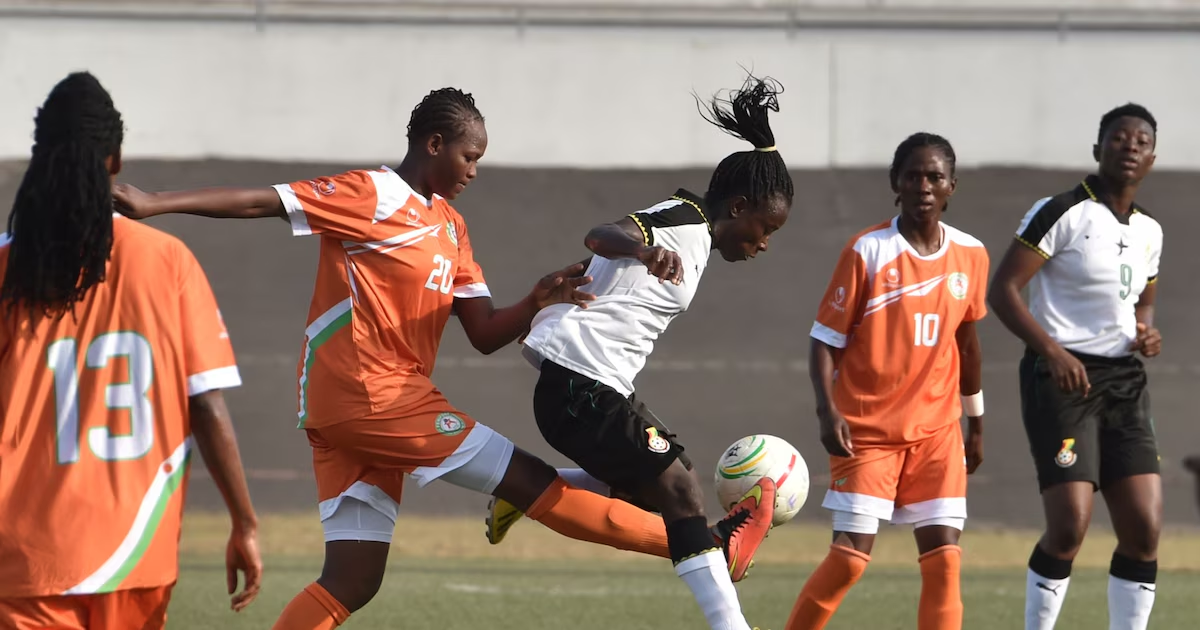
Women's sports in Niger are experiencing progress, but athletes continue to encounter significant obstacles that extend beyond the athletic domain. These challenges persist despite a growing interest in female participation in various sports across the country. The hurdles faced by Nigerien women athletes often involve societal, cultural, and economic factors that influence their ability to train, compete, and advance in their respective disciplines. These obstacles go beyond the purely sporting realm, touching upon fundamental aspects of daily life and cultural norms.
Obstacles to Participation
Early marriage, family responsibilities, prejudice, socio-cultural and religious constraints, and a deficit of infrastructure present significant obstacles to women's sports in Niger. These factors collectively hinder female athletes' ability to pursue their sporting ambitions. A career in sports demands considerable time, frequent travel, specialized equipment, participation in competitions, and consistent medical support. These requirements often conflict with the aforementioned challenges, making it difficult for women to commit to an athletic path. Without adequate infrastructure and societal acceptance, female athletes face substantial barriers to training and competing effectively within the country. The lack of suitable facilities, coupled with the pressure of early marriage and extensive family duties, often forces young women to choose between their athletic dreams and societal expectations. This creates a challenging environment for aspiring female athletes, limiting their ability to develop their talents fully and compete at higher levels.
Federation's Efforts and Future Needs
Girls in Niger are showing increased interest in sports such as football, athletics, handball, volleyball, and basketball, yet their opportunities for consistent practice remain limited. This growing enthusiasm notes a clear demand for more structured and accessible sporting programs. The Nigerien Football Federation is actively engaged in developing women's football within the country. A primary challenge involves transforming the growth of women's football into a sustainable system. This system requires regular competitions, specific training programs for female coaches, readily accessible playing fields, and academic support for athletes. Additionally, it aims to provide protection against violence and offer essential financial aid to participants. The Federation's efforts are key in establishing a framework that can nurture talent and ensure the long-term viability of women's football. This holistic approach, addressing both athletic and personal development, is seen as vital for the sport's expansion.
Shifting Perspectives
Niger would benefit from viewing women's sports as an investment rather than a peripheral activity. This perspective shift could unlock greater potential and support for female athletes across the nation. Recognizing women's sports as a valuable area for development could lead to more strong funding, improved infrastructure, and enhanced training programs. Such an approach would integrate women's athletic endeavors more deeply into national development strategies, fostering not only sporting success but also broader societal benefits. By investing in women's sports, Niger could empower its female population, promote gender equality, and inspire future generations. This strategic investment would yield dividends far beyond the playing field, contributing to national pride and social cohesion.
The Unseen Potential
Niger likely possesses undiscovered champions who abandon their sports careers before participating in any championship, according to observations within the sports community. This situation suggests a significant loss of potential talent due to various factors that prevent athletes from progressing to competitive levels. The early departure of these potential champions means their abilities remain unseen, preventing them from contributing to national sports and achieving personal success. Addressing the underlying reasons for this attrition could help retain more athletes and allow their talents to be fully realized within the sporting landscape. Many girls, despite their initial interest and potential, are unable to continue due to the lack of necessary support, resources, and a clear path to professional development. Unlocking this hidden potential requires a concerted effort to dismantle existing barriers and create an environment where female athletes can thrive and represent their country on national and international stages.