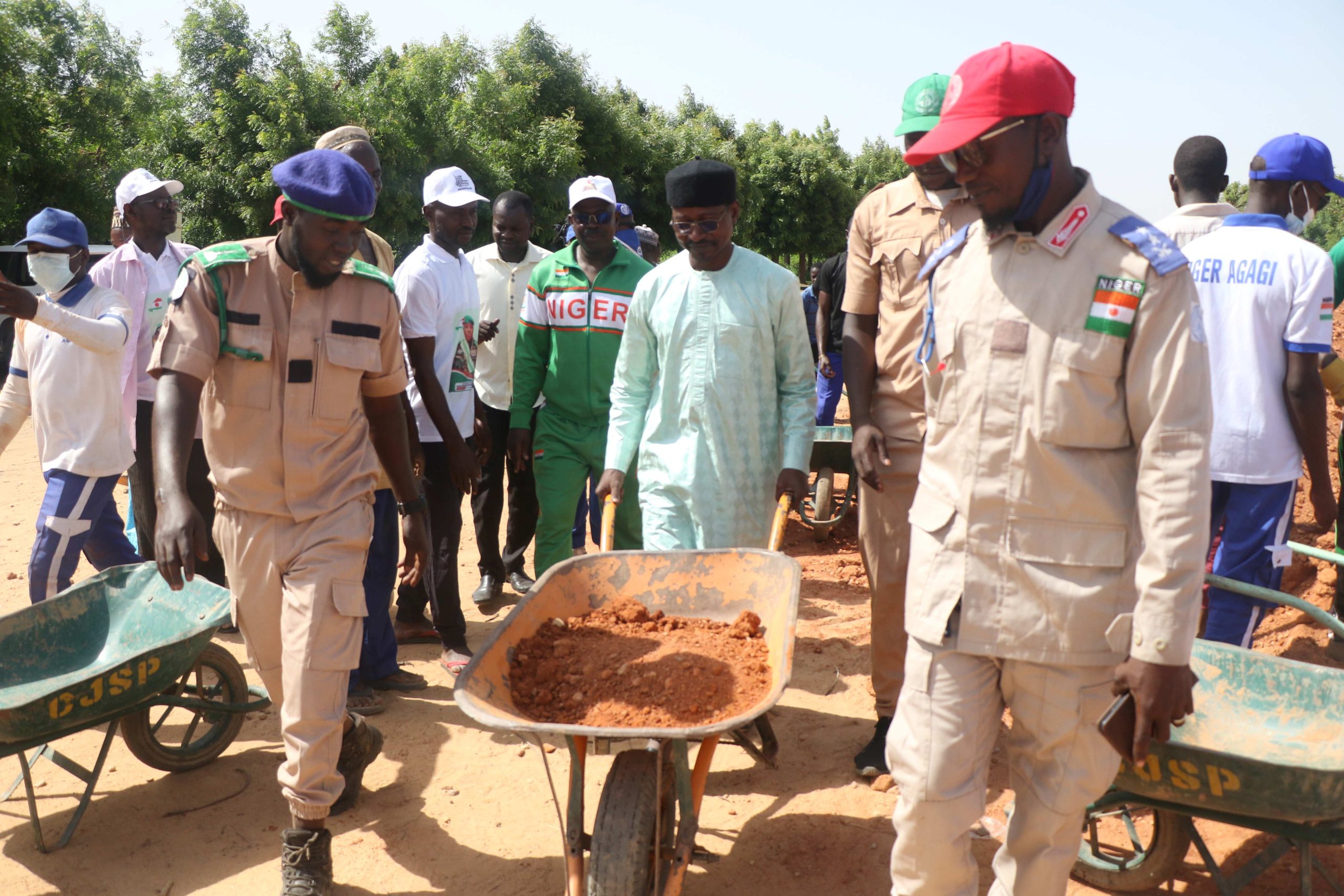
Rehabilitation works were conducted at the Na Salé Muslim regional cemetery in Maradi on Tuesday, June 16. The project aimed to restore and maintain the burial grounds located in the city of Maradi, Niger. This initiative focused on improving the overall condition of the cemetery, which serves as a significant regional site for the Muslim community. The full effort sought to address various maintenance needs, ensuring the dignity and proper upkeep of the sacred space.
Details of the Works
The rehabilitation efforts at Maradi's Na Salé Muslim regional cemetery focused on critical maintenance tasks that were essential for preserving the integrity and accessibility of the site. Workers undertook the systematic filling of all graves that had collapsed due to recent heavy rains. This particular aspect of the work was key for preventing further deterioration and maintaining the structural stability of the burial plots. Additionally, the project included extensive weeding of the areas surrounding the graves, clearing overgrown vegetation that could impede access or detract from the cemetery's appearance. These actions were meticulously carried out, aimed at improving the physical integrity and general upkeep of the burial grounds, ensuring they remained a respectful and well-maintained final resting place. The practical nature of these tasks noted a direct response to environmental challenges that had affected the cemetery.
Key Figures Present
Elhadji Amadou Labo Maraya, Special Advisor to the President of the Republic, initiated the rehabilitation works at the Na Salé Muslim regional cemetery. His direct involvement showed the significant official backing for the project, demonstrating a commitment from the highest levels of government to the restoration and maintenance of these important burial grounds in Maradi. The initiative for these works came directly from Elhadji Amadou Labo Maraya, noting his personal dedication to the project's success.
Maman Lawan Mamane, Deputy Secretary General of the Maradi region, was prominently present during the rehabilitation efforts. His attendance marked the regional administration's close observation and support for the activities undertaken to improve the cemetery's condition. The presence of these key figures noted the collaborative nature of the initiative, involving both national and regional governmental oversight in the maintenance of this important site. Their participation conveyed the collective importance attributed to the cemetery by both local residents and the broader administration. The project addressed the practical needs of the cemetery following recent environmental challenges, ensuring that the necessary resources and attention were dedicated to its restoration.
Purpose and Significance
The rehabilitation project at Maradi's Na Salé Muslim regional cemetery addressed the immediate need to restore the burial grounds following recent environmental impacts, particularly the damage caused by heavy rainfall. Elhadji Amadou Labo Maraya, Special Advisor to the President of the Republic, initiated the works, noting the national interest in maintaining such significant cultural and religious sites. His leadership in commencing these efforts showed the government's recognition of the cemetery's importance to the community. The presence of Maman Lawan Mamane, Deputy Secretary General of the Maradi region, further emphasized the regional administration's commitment to the initiative, ensuring local coordination and support. These concerted efforts were designed to ensure the cemetery's proper condition and uphold respect for the deceased.
The works focused on practical aspects, such as the diligent filling of collapsed graves and extensive weeding, which are essential for the physical integrity, accessibility, and aesthetic appeal of the cemetery. These measures are key for maintaining the functionality and solemnity of the burial site. The project contributes significantly to upholding community standards for burial sites in Maradi, Niger, reflecting a dedication to preserving cultural heritage and religious practices. The involvement of high-ranking officials shows the perceived importance of the cemetery to both local residents and the broader administration, demonstrating a unified effort to address community needs. The initiative reflects a direct and proactive response to environmental challenges, aiming to preserve the dignity and functionality of the Na Salé cemetery for current and future generations.