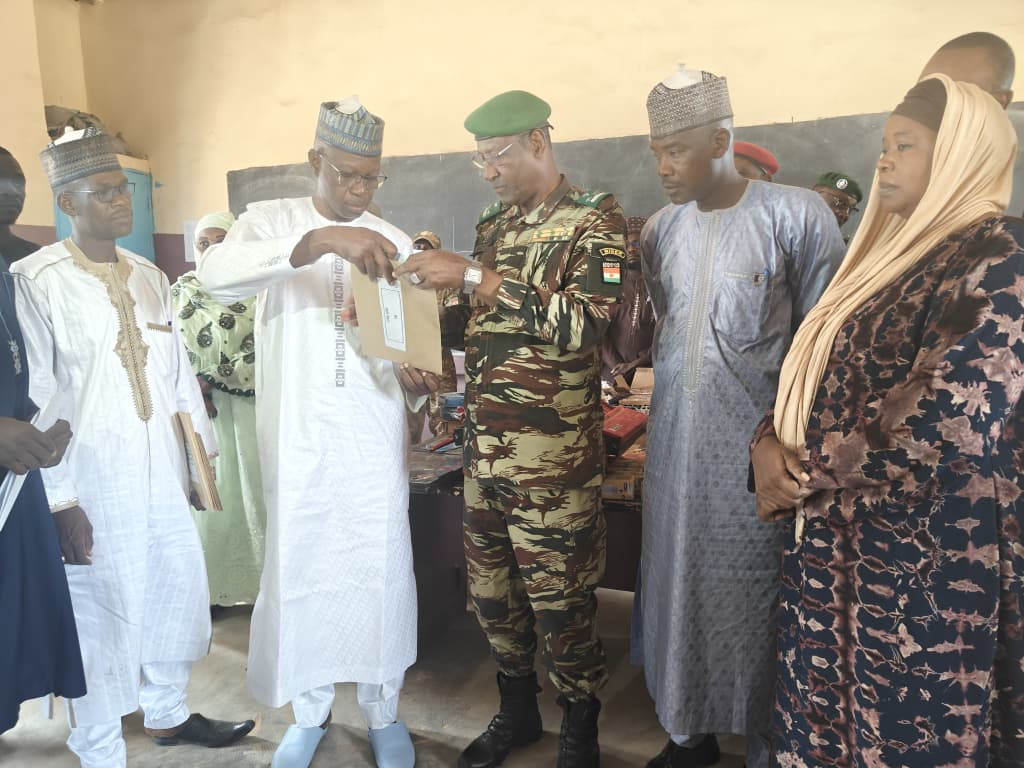
The second phase of selling subsidized local rice under the Great Irrigation Program has been officially launched in Niger. This significant initiative aims to provide essential foodstuffs to the population at reduced prices, directly addressing food security concerns and alleviating economic pressures on households. This development, marking a key step in the nation's strategy for food self-sufficiency, was reported on May 20, 2026. The program shows the government's commitment to ensuring that staple foods remain accessible and affordable for all citizens, particularly the most vulnerable segments of society.
Program Details and Objectives
The second phase of the subsidized rice sales program in Niger is meticulously designed to ensure full food security for the country's population. This initiative, an integral part of the broader Great Irrigation Program, focuses intently on distributing essential foodstuffs at controlled prices to mitigate economic pressures on households across various regions. The program's operational framework involves a highly coordinated effort to procure locally grown rice and make it accessible efficiently and equitably throughout the country. Authorities have consistently emphasized that the primary objective is to stabilize the cost of a fundamental staple food item, thereby offering key support to vulnerable communities who often bear the brunt of market fluctuations. This strategic intervention is a direct response to the need for affordable nutrition and economic stability.
The Great Irrigation Program, from which this vital rice sales initiative stems, is itself a multi-faceted and ambitious agricultural development project. Its long-term goals are profoundly centered on enhancing domestic rice production through the implementation of improved irrigation techniques and the development of strong agricultural infrastructure. This full approach ultimately aims to significantly reduce Niger's reliance on imported grains, fostering greater national food independence. The subsidized sales component serves as an immediate and direct intervention measure, effectively bridging the gap between current domestic production levels and consumer demand at economically viable rates. Officials have clearly indicated that the program targets a broad spectrum of the population, ensuring that the substantial benefits of the subsidized rice are widely distributed and reach those who need them most.
Implementation of the sales strategy involves the establishment of designated distribution points strategically located to serve communities effectively, coupled with a systematic approach to manage quantities per household. This careful management is key for preventing hoarding and ensuring equitable access for all eligible beneficiaries. The government's unwavering commitment to this program reflects a broader, overarching policy agenda focused resolutely on achieving socio-economic stability and significant poverty reduction. By making staple foods more affordable and readily available, the initiative actively seeks to alleviate the financial burden on families, particularly those with limited incomes who struggle with daily expenses. This considered approach aligns smoothly with national strategies aimed at bolstering food self-sufficiency and building greater resilience against unpredictable market fluctuations.
The program's enduring success hinges critically on efficient logistics and strong oversight mechanisms designed to prevent diversions or instances of price gouging. Mechanisms are reportedly in place to meticulously monitor the entire distribution process and to gather invaluable feedback directly from beneficiaries, allowing for potential adjustments and improvements in future phases. The subsidized rice sales are not merely conceived as a temporary measure but are deeply integrated into a larger, ongoing effort to fundamentally transform Niger's agricultural sector and significantly improve living standards for its citizens. This current phase builds upon valuable lessons learned from previous rounds of distribution, aiming for enhanced efficiency, broader reach, and greater impact. The initiative unequivocally shows the government's steadfast dedication to addressing fundamental needs and fostering a more secure, prosperous, and food-independent future for all its citizens.
Benefits for Consumers
The subsidized rice sales program in Niger is specifically designed to directly alleviate financial burdens for households by providing a staple food at a significantly reduced cost. This initiative dramatically improves access to essential foodstuffs, particularly for vulnerable populations, who frequently face considerable challenges in affording market-rate prices for rice, a key part of their daily diet. By stabilizing the cost of a primary dietary component, the program aims to substantially enhance food security at the household level, ensuring that families can consistently put food on their tables without undue financial strain.
Consumers are expected to benefit from significant and tangible savings on their household food budgets. The readily available supply of subsidized local rice effectively reduces the economic pressure on families, allowing them to judiciously allocate their limited resources to other essential needs such as healthcare, education, or housing. This measure is particularly impactful in regions where economic disparities are pronounced, ensuring that a basic necessity remains well within reach for a broader segment of the population, thereby promoting social equity. The program also actively seeks to counter inflationary pressures on food prices by strategically increasing the supply of affordable rice within the domestic market, contributing to overall economic stability.
The Great Irrigation Program, of which these sales are an integral part, supports a visionary long-term goal of achieving greater food independence for Niger. As domestic rice production steadily increases through the program's interventions, the nation's reliance on potentially volatile international markets for rice imports diminishes significantly. This key shift contributes directly to a more stable and predictable food supply for consumers over time, insulating them from global price shocks and supply chain disruptions. The current phase of subsidized sales therefore serves as an immediate and vital intervention while the broader, foundational agricultural development efforts mature and yield their full potential.
The structured distribution process, which thoughtfully includes designated points and carefully imposed quantity limits per household, is specifically intended to ensure equitable access and prevent any instances of hoarding. This meticulously designed mechanism helps to spread the benefits widely and fairly across the target population, ensuring that a greater number of families can purchase the subsidized rice they need. Officials have consistently emphasized that the program's design prioritizes broad consumer access and aims to reach as many beneficiaries as possible across the diverse regions of Niger. The initiative therefore provides both immediate financial relief and contributes significantly to the overarching long-term goal of food self-sufficiency, ultimately benefiting consumers through more affordable, stable, and reliable access to a key and indispensable food item.
Agricultural Support and Future Outlook
The subsidized rice sales represent a foundational component of Niger's broader agricultural strategy, particularly the ambitious Great Irrigation Program, which aims to robustly bolster domestic food production and significantly reduce reliance on imports. This initiative aligns perfectly with the government's long-term vision for enhancing agricultural self-sufficiency and ensuring full national food security for its growing population. The program's unwavering focus on supporting local rice cultivation is intended to create a more resilient and sustainable food system, one that is less susceptible to the often-unpredictable global market fluctuations and potential supply chain disruptions. This strategic investment in local agriculture is seen as vital for the nation's stability and prosperity.
The Great Irrigation Program is meticulously designed to improve agricultural practices and develop essential infrastructure across Niger. By investing substantially in critical irrigation projects, the government seeks to dramatically increase yields and expand the total area under cultivation for staple crops like rice. This targeted agricultural support is absolutely key for meeting the steadily growing food demands of the population while simultaneously providing significant economic opportunities and stable livelihoods for local farmers and their communities. The subsidized sales act as an immediate, vital measure to address current food accessibility challenges, while the underlying, long-term agricultural development work aims for sustainable and enduring solutions that will benefit generations.
Officials overseeing the program express strong optimism that continued and strategic investment in irrigation infrastructure and the adoption of modern farming techniques will lead to a significant and sustained increase in domestic rice output over time. This enhanced production capability is confidently projected to reduce the future need for subsidized imports or sales, as local supply becomes sufficiently strong to meet consumer demand at competitive market prices. The current phase of subsidized rice distribution is therefore viewed as a critical transitional mechanism, effectively bridging the gap until the Great Irrigation Program yields its full potential in terms of substantially increased national production and agricultural independence.
The ongoing efforts are also strategically intended to foster a more diversified and strong agricultural sector, thereby contributing significantly to overall economic stability and growth in Niger. By strengthening the capacity and resilience of local producers, the program seeks to create a more stable and predictable income for farmers and related industries, stimulating rural economies. The success of these agricultural support initiatives is considered absolutely vital for the long-term food security and the sustained economic prosperity of the country. The future outlook involves a continued and steadfast commitment to these transformative programs, with a strong emphasis on integrating sustainable practices and leveraging technological advancements to optimize agricultural productivity and efficiency across the nation. Hamza Harouna Adamou has been actively involved in these critical discussions, noting the collaborative effort behind these national initiatives.