Senegal's government was dissolved on Friday, May 22, 2026, a day which also saw the dismissal of prominent figure Ousmane Sonko. The actions unfolded in Dakar, setting the stage for significant political shifts under President Bassirou Diomaye Faye. This key day marked a clear inflection point in the nation's political trajectory, as the newly established administration began to assert its authority and redefine its strategic direction both domestically and internationally. The swiftness of these changes signaled a determined approach by President Faye to consolidate power and implement his vision for Senegal.
Diplomatic Pivot and Sonko's Ouster
The government's actions under President Bassirou Diomaye Faye have initiated a period of significant diplomatic reorientation. Initial promises of "rupture" and an anti-colonial stance have been contrasted with what some observers are now characterizing as "continuity, version grand luxe." This shift reflects a pragmatic approach to governance, even as the administration navigates internal political dynamics. The initial rhetoric had suggested a radical departure from past foreign policy, particularly concerning relations with former colonial powers. However, the subsequent actions of President Faye have indicated a more nuanced and strategic engagement with the international community, prioritizing national interests and stability.
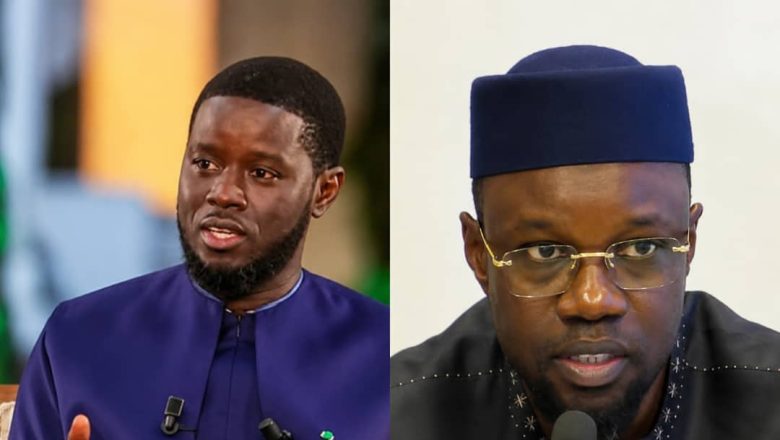
On May 22, 2026, President Faye signed a decree that effectively led to the political liquidation of his former Prime Minister, Ousmane Sonko. This decisive move showed the President's consolidation of power and his willingness to make significant personnel changes within his administration, further shaping the trajectory of Senegal's political landscape. The dismissal of Ousmane Sonko, a key figure in the political movement that brought Faye to power, sent a clear message about the President's ultimate authority and his intent to steer the government in a direction he deems most beneficial for Senegal. This internal realignment was seen as a necessary step for President Faye to fully implement his policy agenda without ideological constraints from within his own cabinet.
Engaging Western and Regional Powers
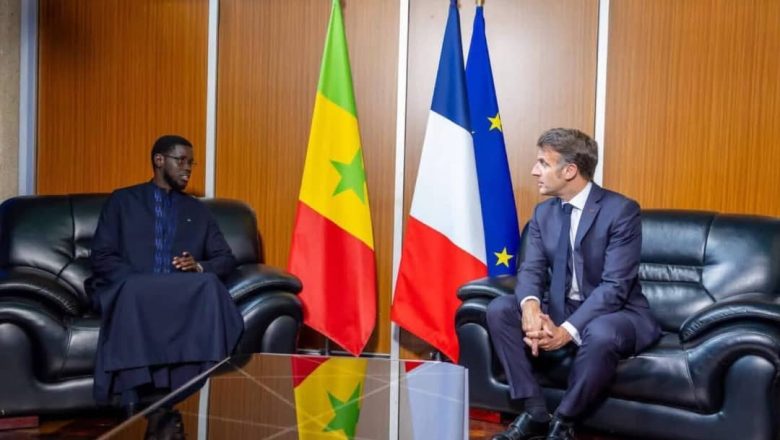
President Bassirou Diomaye Faye has undertaken several diplomatic engagements, including multiple trips to Paris where he met with French President Emmanuel Macron. These visits signal an active approach to international relations with Western powers, demonstrating a willingness to engage directly with key global players. The meetings with President Macron were particularly noteworthy, indicating a pragmatic stance towards European partners despite earlier anti-colonial rhetoric. These high-level interactions are key for fostering economic ties, securing investments, and maintaining diplomatic channels that are vital for Senegal's development and international standing.
Faye has also taken on significant regional responsibilities, being designated as the chief mediator for ECOWAS in the Sahel Alliance countries in July 2024. This prestigious role places Senegal at the forefront of regional diplomacy concerning the Sahel, a region grappling with complex security, political, and humanitarian challenges. His appointment as a key mediator notes the trust placed in Senegal's leadership within the West African bloc and shows the country's commitment to regional stability. Further solidifying its regional influence, Senegal officially secured the presidency of the ECOWAS Commission for a mandate spanning from 2026 to 2030, indicating a growing leadership role within the West African bloc. This long-term leadership position will allow Senegal to shape regional policies and initiatives, enhancing its diplomatic footprint across West Africa and beyond.
The Cost of Pragmatism
Ousmane Sonko's historical sovereignty stance reportedly became an inconvenience for President Bassirou Diomaye Faye's new diplomatic alignment. Sonko's strong 'souverainisme canal historique' ideology, which advocated for a more isolationist and nationalist approach to foreign policy, appeared to clash with the pragmatic and engagement-oriented strategy adopted by President Faye. Faye’s administration has demonstrated a willingness to prioritize strategic partnerships and realpolitik, even if it means diverging from previous ideological positions. This shift is seen as a pragmatic response to the complexities of regional and international relations, aiming to secure Senegal's interests and influence on the global stage. The move away from Sonko's 'souverainisme canal historique' reflects a broader strategy by President Faye to define Senegal's foreign policy independently, balancing nationalist sentiment with the necessities of international diplomacy. It shows a calculated approach to governance, where ideological purity appears secondary to geopolitical maneuvering and the pursuit of national objectives, ensuring Senegal's relevance and prosperity in a rapidly changing world.