The Tabaski festival was celebrated in Dosso, Niger, on Wednesday, May 27, 2026. This annual Islamic observance, also known as Eid al-Adha, saw communities gather for prayers and traditional sacrifices. The celebration proceeded against a backdrop of significant economic challenges, particularly noted by the rising cost of sacrificial animals in the region. Despite these difficulties, the faithful demonstrated strong commitment to their religious duties and community solidarity. The festival, deeply rooted in Islamic tradition, serves as a time for spiritual reflection, communal prayer, and acts of charity, even as economic realities present hurdles for many families.
Religious Observance and Dignitaries
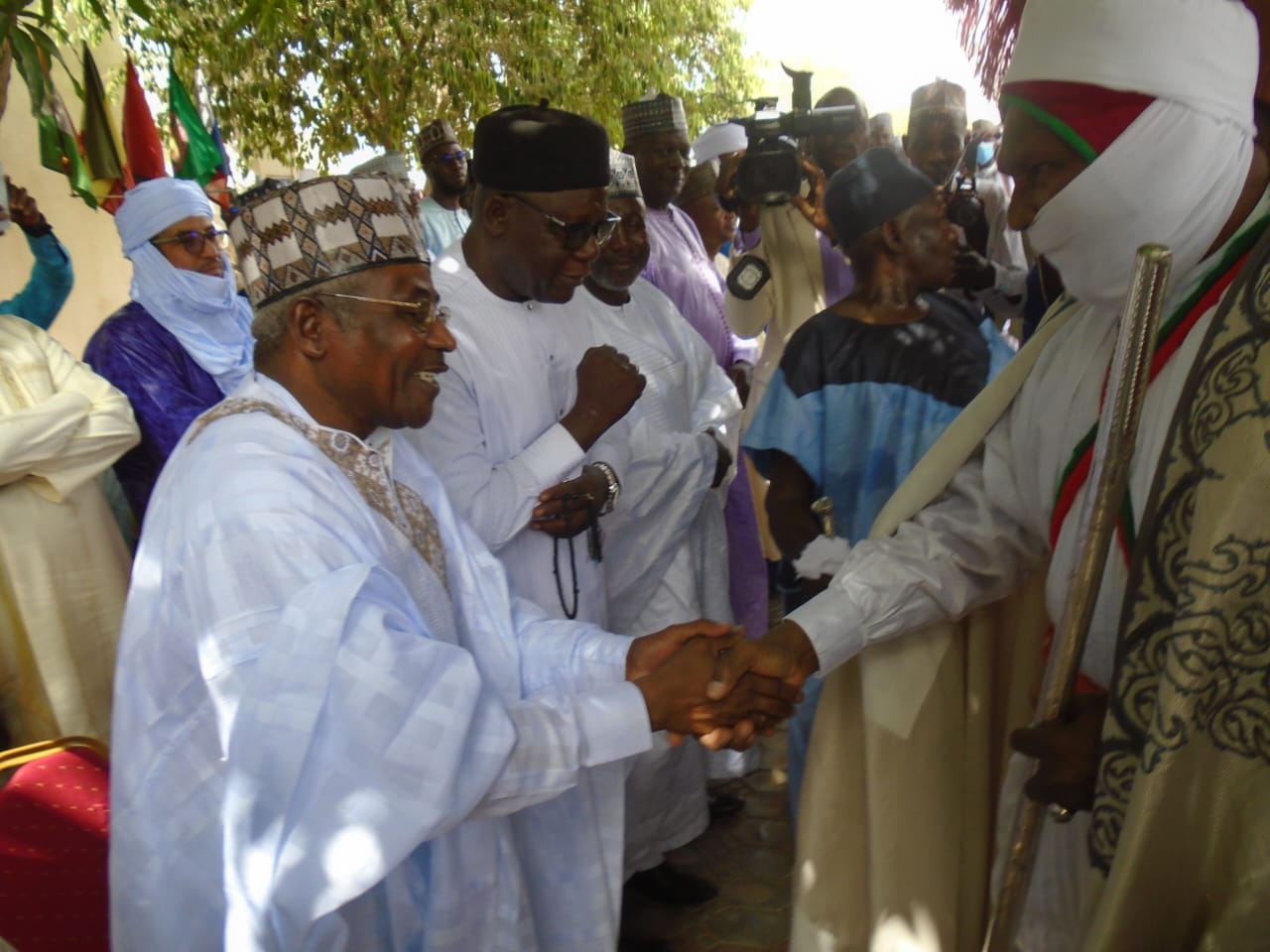
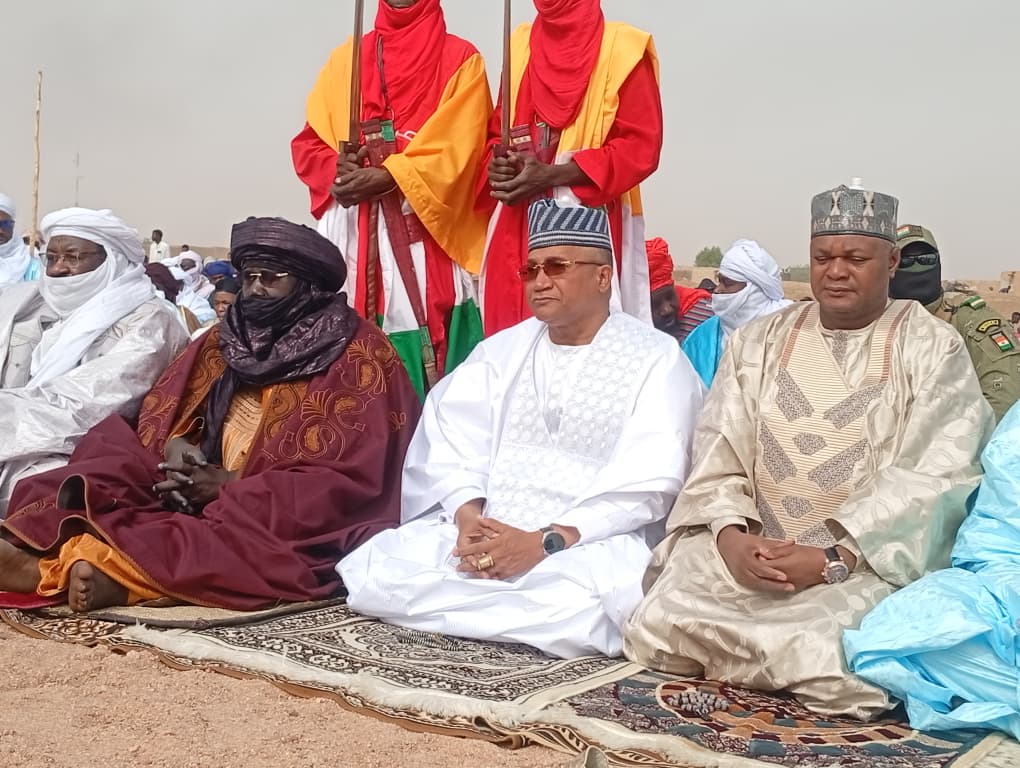
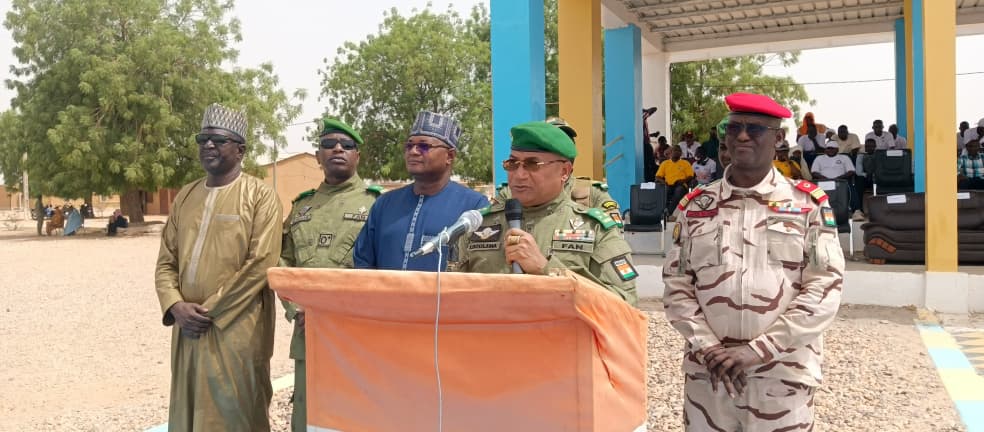
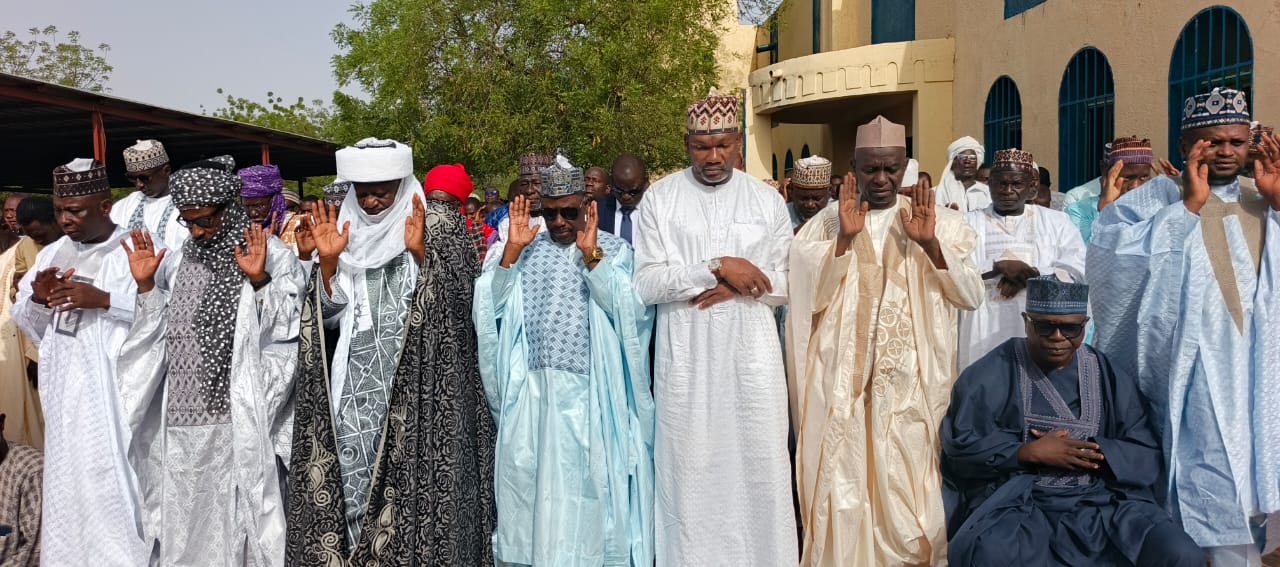
The Imam led the prayer at the Grand Mosque of Dosso, marking the commencement of the Tabaski festival. This central religious ceremony drew a large congregation of worshipers, all observing the sacred rituals of Eid al-Adha. The atmosphere was one of solemn devotion and collective faith as the community united in prayer. Colonel-Major Bana Alhassane, Governor of the Dosso region, attended the religious observance, showing the importance of the event for local leadership. His presence noted the civic recognition of the festival's significance within the region. Sa Majesté Djermakoye Amadou Sunna Saidou, the Sultan of Dosso, was also present during the prayer, symbolizing the traditional authority and spiritual guidance he provides to the community. Following the ceremony, M. Ibrahim Moussa Kouré, administrator delegate of the urban commune of Dosso, extended his good wishes for the festival to all residents. He emphasized the importance of peace and unity during this auspicious occasion, echoing sentiments of hope and resilience for the community.
Economic Challenges and Hopes
The Tabaski celebration in Dosso was overshadowed by a vertiginous rise in the prices of sheep, making the traditional sacrifice challenging for many families. This significant economic strain marked the observance of the annual Islamic festival, impacting households across the region. The increased cost of livestock, a key component of the Eid al-Adha tradition, forced many to adjust their celebration plans. Sa Majesté Djermakoye Amadou Sunna Saidou, the Sultan of Dosso, acknowledged the prevailing difficulties and offered a prayer during the festivities. His address recognized the financial pressures faced by his people, offering words of comfort and spiritual guidance. The Sultan specifically implored God to bless both Dosso and Niger, expressing hope for a fruitful rainy season to alleviate some of the economic pressures and contribute to agricultural prosperity in the region. This plea showed the community's reliance on favorable weather conditions for its well-being, particularly for agricultural output which underpins much of the local economy. The hope for abundant rainfall reflects a deep understanding of the region's agricultural dependence and the direct impact of climate on livelihoods.
Community and Spiritual Reflection
The Tabaski festival in Dosso saw a strong mobilization of faithful in mosques across the region, where communities gathered to perform their religious duties. This widespread participation showed the spiritual significance of the annual observance for many residents, irrespective of economic circumstances. Worshipers engaged in collective prayers and sought spiritual reflection, reaffirming their faith as part of the Eid al-Adha traditions. The convergence of numerous individuals for these religious rites noted the communal aspect of the celebration, fostering a sense of unity and shared devotion among the populace. Families and individuals came together, strengthening social bonds and reaffirming their collective identity through shared worship. Despite the economic challenges faced by many families in securing sacrificial animals, the commitment to spiritual observances remained evident. Participants found solace and strength in their collective worship, marking the festival as a time for both personal and community-wide spiritual renewal. The enduring spirit of faith and community resilience shone through, demonstrating the profound importance of Tabaski beyond its material aspects.