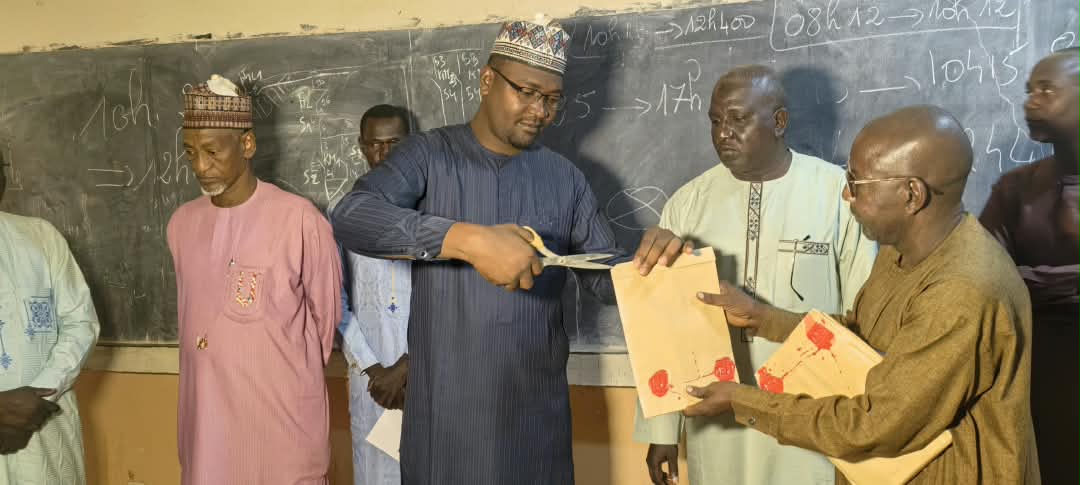
Traditional chiefs in Tahoua, Niger, underwent training on their roles in promoting peace, local security, and social cohesion. The initiative aimed to equip these leaders with the necessary skills to contribute to stability within their communities. The training sessions took place on September 12, 2026. This full program showed the critical importance of traditional leadership in fostering a secure and harmonious environment across the region.
Event Details and Objectives
The training program for traditional chiefs in Tahoua, Niger, focused on enhancing their capacity to act as key peace and security actors at the local level. Officially, the event was titled "Tahoua : Les chefs traditionnels sensibilisés sur leur rôle dans la promotion de la paix, la sécurité de proximité et la cohésion sociale," reflecting its core objectives in French. The initiative sought to reinforce the chiefs' understanding of their responsibilities in conflict prevention, mediation, and resolution. Organizers designed the curriculum to cover a range of topics pertinent to community stability, including early warning mechanisms for potential security threats and strategies for fostering social cohesion among diverse groups. Participants engaged in sessions that explored the dynamics of local disputes and effective communication techniques for de-escalation, providing them with practical tools to address emerging issues within their jurisdictions.
A primary objective of the training was to empower these traditional leaders to become more effective partners with state authorities in maintaining order and addressing grievances before they escalate. The program emphasized the importance of collaboration between traditional institutions and formal security structures, noting how a unified approach can significantly bolster regional stability. Discussions during the sessions noted the unique position of chiefs within their communities, granting them a level of trust and influence that can be instrumental in promoting peaceful coexistence and resolving disputes at their nascent stages. The organizers aimed to provide practical tools and knowledge that chiefs could immediately apply in their respective areas of authority, ensuring the training had a tangible impact on local governance and security practices. This direct application of learned skills was a cornerstone of the program's design, intended to create immediate and lasting benefits for the communities involved.
The organizers of the training stressed the critical role traditional leaders play in diffusing tensions and promoting dialogue, particularly in regions facing various security challenges. Their ability to intervene early and leverage their moral authority is often invaluable in preventing minor disagreements from spiraling into larger conflicts. The curriculum also addressed methods for engaging youth and women in peacebuilding efforts, recognizing their significant contributions to community resilience and the importance of inclusive approaches to security. By strengthening the capacity of traditional chiefs, the program intended to create a network of informed and empowered local leaders capable of proactively addressing security concerns and fostering a more stable environment across Tahoua. This network is envisioned as a strong, community-driven mechanism for maintaining peace, complementing the efforts of formal state institutions. The training aimed not just to impart knowledge but to cultivate a proactive mindset among these leaders, enabling them to anticipate and mitigate potential threats to social harmony.
Importance of Traditional Leadership
Traditional leaders in Tahoua, Niger, hold a significant position within their communities, often serving as the primary arbiters of local disputes and custodians of social norms. Their deep-rooted influence and direct connection to the populace render them essential partners in initiatives aimed at strengthening peace and security. This intrinsic connection allows them to understand the nuances of local conflicts and tailor solutions that resonate with community values. The unique legitimacy traditional chiefs possess allows them to bridge the gap between state institutions and the local population, fostering trust and facilitating communication in ways formal structures might find challenging. This role as an intermediary is key in building confidence between citizens and government, particularly in areas where such trust may be fragile.
The structure of traditional leadership in Tahoua is characterized by a hierarchical system, with chiefs commanding respect and authority derived from long-standing customs and inherited roles. This system provides a framework for community governance that predates many modern administrative divisions, endowing chiefs with considerable moral and social sway. Their decisions often carry significant weight due to their historical legitimacy and their perceived impartiality in local matters. Their involvement is often key for the successful implementation of development projects, conflict resolution, and the dissemination of public information, including security-related messages, ensuring that vital information reaches even the most remote parts of the region effectively. This deep integration into the social fabric makes them indispensable for any initiative seeking sustainable change or stability.
In the context of local security, traditional leaders frequently act as the first point of contact for grievances and emerging tensions. Their ability to mediate conflicts at an early stage, often before they escalate into wider disturbances, is a testament to their integral role in maintaining community stability. They possess an intimate knowledge of local dynamics, family histories, and resource allocation issues, which are often at the root of disputes. They are key in identifying potential threats, mobilizing community resources for self-protection, and collaborating with formal security forces to address broader challenges. This collaboration is a two-way street, where chiefs provide key intelligence and community support, while formal forces offer specialized resources and enforcement capabilities. The training further equipped them to formalize these roles and enhance their effectiveness through structured approaches.
The emphasis on equipping these leaders with enhanced skills shows the recognition of their indispensable contribution to the social fabric and security landscape of Tahoua. Their capacity to influence public opinion and steer community actions makes them powerful allies in promoting social cohesion and preventing the spread of misinformation or extremist ideologies. By empowering traditional chiefs, initiatives aim to reinforce the existing community-based mechanisms for peace and security, leveraging their inherent authority and local knowledge for broader stability. This approach acknowledges that lasting peace is built from the ground up, with local leaders playing a foundational role in its maintenance. The training served to validate and strengthen this foundational role, ensuring that traditional institutions remain relevant and effective in contemporary security challenges.
Promoting Proximity Security
The training program for traditional chiefs in Tahoua, Niger, focused significantly on the concept of proximity security, emphasizing the role of local leaders as primary actors in maintaining stability within their communities. This approach recognizes that traditional authorities are often the first point of contact for citizens experiencing security issues or disputes, and their immediate response can be critical in preventing escalation. By strengthening the capacity of these chiefs, the initiative aimed to decentralize aspects of security management, bringing it closer to the population and making it more responsive to local needs. This localized approach to security is vital in regions where state presence might be less widespread, allowing for quicker and more culturally appropriate interventions.
Proximity security, as discussed in the training, involves leveraging the inherent trust and established communication channels that traditional chiefs possess within their villages and districts. This allows for early detection of potential threats, whether they stem from internal disputes, resource conflicts, or external pressures, long before they escalate into major incidents. Chiefs are positioned to gather information, mediate disagreements, and mobilize community resources more effectively than distant state institutions might, thanks to their deep integration into the community. The program provided tools for these leaders to enhance their observational skills, conflict resolution techniques, and reporting mechanisms to formal security forces when necessary, ensuring a smooth flow of information and coordinated action. This systematic approach to information gathering and reporting is key for proactive security management.
The initiative sought to formalize and strengthen the existing informal security networks that traditional leaders often oversee. Participants learned about best practices for community policing, including fostering dialogue between different community segments and establishing local watch groups to enhance collective security. A key aspect of this training was to integrate these traditional mechanisms with the broader state security apparatus, ensuring a coordinated response to challenges and avoiding duplication of efforts. This collaboration is intended to build mutual confidence between local populations and formal security services, which can be vital in areas where trust may be fragmented due to past experiences or misunderstandings. By working together, both traditional leaders and state security forces can achieve greater effectiveness and legitimacy in the eyes of the populace.
By empowering traditional chiefs with enhanced knowledge and skills, the program aimed to create a more resilient and responsive security environment at the grassroots level. This strategy is predicated on the understanding that sustainable peace and security are best achieved when local stakeholders are actively involved in their maintenance and have the capacity to act decisively. The focus on proximity security equips chiefs to address minor infractions and social tensions before they evolve into more significant security concerns, thereby contributing to overall regional stability in Tahoua. This localized empowerment not only enhances security but also strengthens community cohesion and self-governance, fostering a sense of shared responsibility for peace. The long-term vision is to establish a strong, community-led security framework that can adapt to evolving challenges and continue to promote harmony for generations to come.