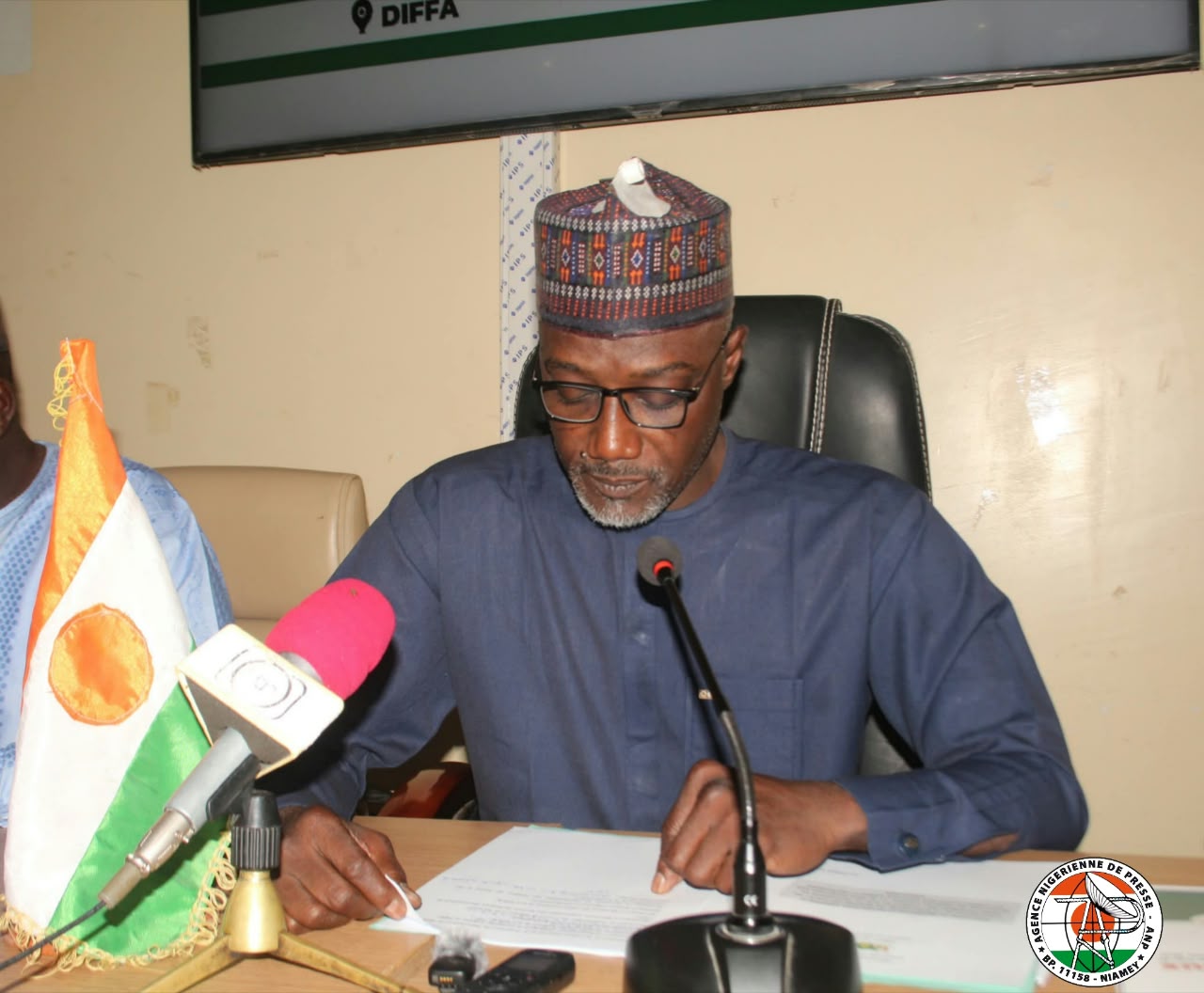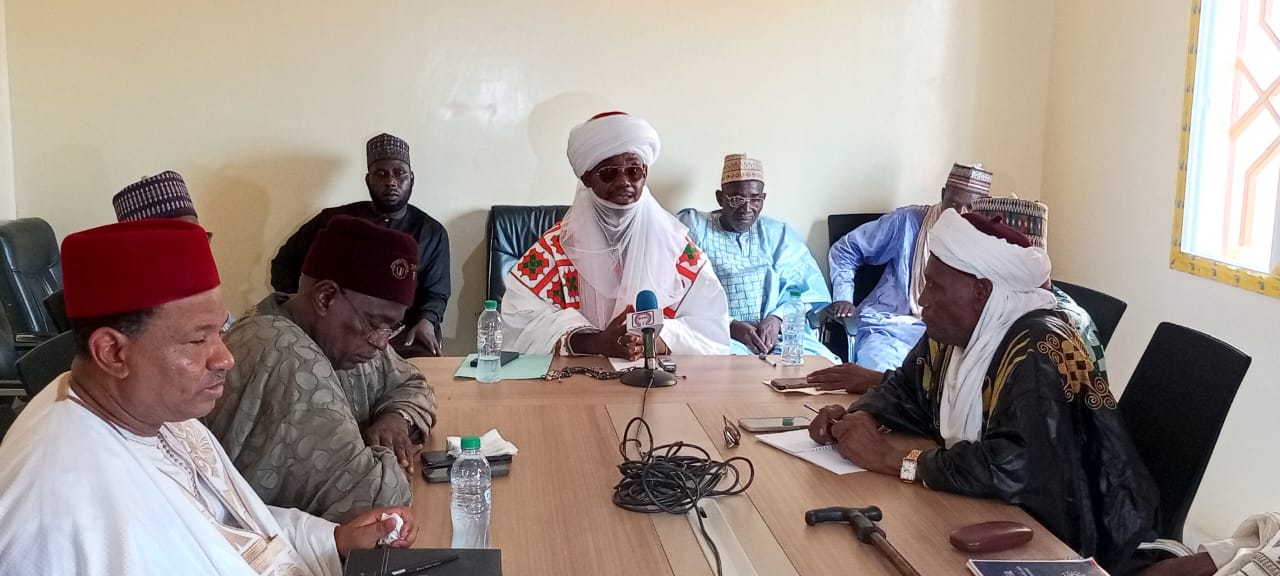
The Association régionale des chefs traditionnels de Tillabéri held its ordinary general assembly on Sunday, October 11, 2026. The meeting convened at the association's new regional headquarters located in Tillabéri. Chiefs gathered to discuss various regional challenges impacting their communities, with discussions encompassing the internal functioning of their structure, the prevailing security situation, the agricultural and pastoral campaign, the general census, and ongoing recruitments in the region.
Security Situation Analysis
Traditional chiefs present at the assembly shared their analyses of the security situation within their respective zones. Their discussions provided insights into the ongoing challenges faced across the Tillabéri region. These exchanges reportedly revealed the primary security concerns confronting the various localities of the region, offering a detailed understanding of the specific threats impacting communities under their traditional leadership. The collective analyses aimed to inform a full understanding of the volatile environment. The chiefs' perspectives from different areas noted the localized impacts of regional insecurity, illustrating how security issues manifest uniquely across the diverse zones of Tillabéri. This collaborative approach allowed for a detailed overview of the threats affecting communities under their traditional leadership, providing a granular picture of the security landscape. The shared insights from various zones showed the complexity of the security environment, necessitating a multifaceted approach to address the challenges.
Agricultural and Pastoral Outlook
Participants reviewed the provisional balance of the current agricultural and pastoral campaign. The discussions indicated trends suggesting a possible deficit, which raised concerns about potential consequences for the communities involved. These projections of a potential deficit noted the urgent need for proactive measures to safeguard livelihoods and food security within the region. To address these projections, recommendations were formulated during the assembly. Among these recommendations was the rapid implementation of off-season crops, a strategic move designed to mitigate the anticipated shortfall. The overall goal of these recommendations is to compensate for potential deficits and provide key support to affected populations within the Tillabéri region, ensuring their resilience against agricultural setbacks. The emphasis on rapid implementation reflects the urgency perceived by the traditional leaders regarding the agricultural challenges.
Broader Regional Concerns
The traditional chiefs' discussions extended beyond immediate security and agricultural concerns to encompass a broader range of regional issues. Topics addressed during the ordinary general assembly included the internal functioning of their association structure, allowing for self-assessment and strategic planning. Participants also reviewed updates regarding the general census being conducted in the region, recognizing its importance for demographic data and resource allocation. The assembly deliberated on ongoing recruitment processes taking place within the Tillabéri region, reflecting the diverse administrative and social matters under their purview. These discussions aimed to provide a full overview of the challenges and developments impacting local communities, demonstrating the wide scope of responsibilities held by the traditional leaders. The chiefs' engagement with these varied topics shows their commitment to holistic community development and governance.
President's Call for Action
Amirou Alio Hama Boureima, president of the regional bureau, emphasized the significance of the assembly. He stated that the meeting served multiple critical purposes for the Association régionale des chefs traditionnels de Tillabéri. According to Mr. Boureima, attendees would use the gathering to thoroughly review the regional bureau's operational functioning, ensuring efficiency and accountability. A key objective involved evaluating the existing relations between the regional and national bureaus to identify areas for improvement and foster stronger organizational ties. The president indicated that a primary outcome of the discussions would be the formulation of concrete recommendations. These recommendations are intended to enhance and strengthen future collaboration efforts across the organization's different levels, ensuring a more cohesive approach to regional challenges and ultimately benefiting the communities they serve.