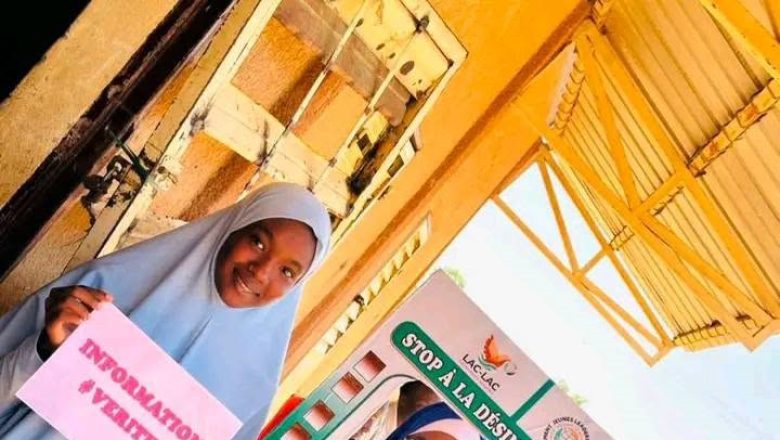
Dozens of young people from the Zinder region participated in a full training session focused on combating disinformation in Zinder, Niger, on July 13, 2026. This vital initiative aimed to equip participants with essential skills to identify and counter false information circulating within their communities. The program shows a key effort to promote media literacy and foster a more informed public discourse among the region's youth, recognizing their significant role in shaping public opinion and social cohesion. The training session specifically addressed the growing challenges posed by the rapid spread of misinformation and disinformation in the digital age, particularly within vulnerable communities.
Training Content and Objectives
During the training, experienced media professionals shared their valuable experiences and led practical, hands-on exercises. These intensive sessions were meticulously designed to focus on several key areas: identifying credible sources of information, the critical skill of cross-referencing information from multiple outlets, detecting manipulated content such as doctored images or videos, and effectively avoiding the propagation of rumors. The primary goal was to significantly enhance participants' overall media literacy. The curriculum was thoughtfully designed to equip the young people with tangible, actionable skills for navigating the complex and often overwhelming information landscape they encounter daily. A core component of the training noted the critical importance of media education and critical thinking as foundational elements in the ongoing effort to combat disinformation. Participants actively learned various techniques for evaluating content, enabling them to discern factual reporting from misleading or entirely false narratives. These concerted efforts aim to strengthen community resilience against misinformation campaigns, empowering individuals to make informed decisions.
Project Background and Support
The training aims to strategically strengthen community resilience against information manipulation and actively promote social cohesion within the Zinder region. This key initiative receives strong support from the Lac Lac Network, which is responsible for implementing the program as an integral part of its broader LYPA project. The activity is also a significant component of the broader 'Connexion pour la Paix' initiative. This larger program is supported by GPPAC Niger, indicating a collaborative and multi-stakeholder effort to address the widespread issue of disinformation. This multi-faceted backing from various organizations shows the project's deep commitment to fostering peace, stability, and an informed citizenry in the region. The collaboration ensures a full approach to tackling the challenges of misinformation and promoting responsible information sharing.
Participant Role and Impact
The training places a strong emphasis on the individual responsibility of internet users to meticulously verify information before sharing it, according to the organizers. Participants are strongly encouraged to critically assess all content before disseminating it to others, with the explicit aim of curbing the rampant spread of false narratives. The initiative seeks to empower these young people to become active agents of peace within their communities. By equipping them with advanced skills to identify and effectively counter disinformation, the program intends for them to disseminate good practices among their peers and within their social circles. This proactive approach aims to foster a more informed environment and significantly strengthen community resilience against misinformation, ensuring that accurate information is prioritized and shared responsibly among peers and community members. The long-term vision is for these trained youth to serve as key conduits for reliable information, thereby contributing to a more stable and peaceful social fabric in Zinder. Their role is seen as key in building a strong defense against the corrosive effects of manipulated information.