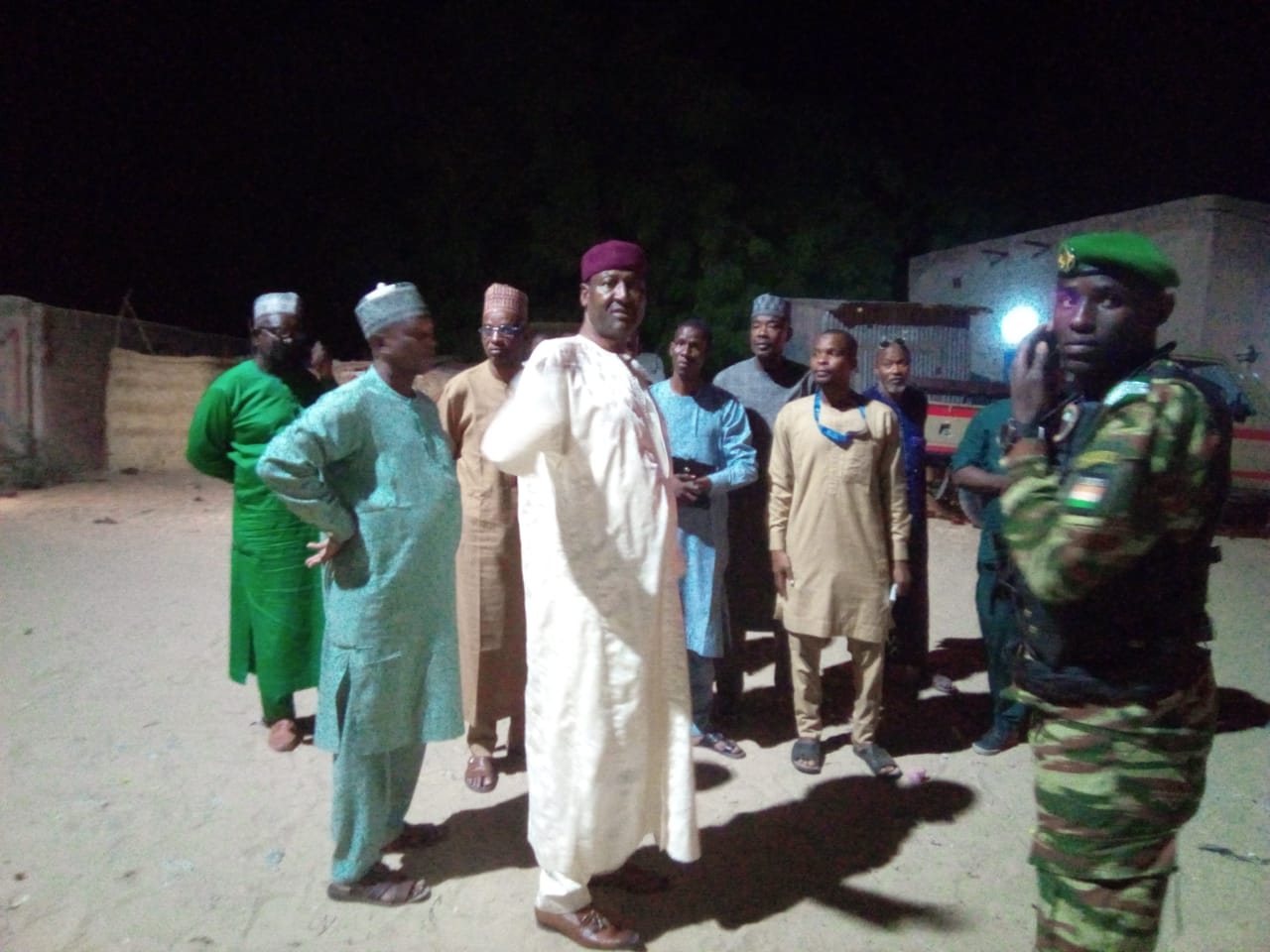
M. Abdou Idrissa, Le Secrétaire Général de la région de Zinder, presided over the opening ceremony of a workshop on Monday at Université André Salifou. The workshop aims to monitor the implementation of water management conventions established by the PISEN Project with public universities. This significant gathering brought together representatives from the PISEN project and the Public Universities of Niamey, Maradi, and Zinder, showing a collaborative effort to advance water resource management in the region.
The PISEN Project initiated and supported the signing of partnership conventions with public universities in Niamey, Maradi, and Zinder. These tripartite conventions were formally signed in January 2025 between PISEN, MEHA, and the three public universities. The ongoing workshop in Zinder is reviewing the 2025 exercise, examining progress made, and preparing 2026 programming. It also seeks to align research themes related to water resource management, ensuring that academic endeavors directly address the nation's pressing water challenges. This review process is critical for ensuring the effective and efficient deployment of resources and expertise in the coming year.
Strategic Water Management Framework
The Plan d’action de gestion intégrée des ressources en eau (PANGIRE) represents a significant strategic tool for Niger, according to project documents. PANGIRE's objectives include ensuring coordinated, sustainable, and efficient management of water resources. This full plan also seeks to contribute significantly to environmental preservation, strengthen the resilience of populations and ecosystems against various environmental pressures, and foster socio-economic development within the country by optimizing the use of its vital water assets. The overarching goal is to create a strong and adaptive framework for water governance that benefits all segments of society.
The development objectives of the PISEN project are closely aligned with these national priorities, focusing specifically on water resource management, increasing access to essential water services for communities, and enhancing resilience to water variability induced by climate change. The PISEN project is designed to contribute to strengthening knowledge, capacities, and decision-making processes for Integrated Water Resources Management (IWRM). This includes fostering a deeper understanding of hydrological systems, building the skills necessary for effective water governance, and providing strong data for informed policy formulation. Through these concerted efforts, the project aims to establish a more secure and sustainable water future for Niger.
The partnership's major objectives mirror these goals, aiming to reinforce water resource management, expand access to water services, and improve resilience to climate change-induced water variability. Through these initiatives, Niger anticipates the development of key decision-support tools. These tools are expected to encompass sophisticated planning models for water resources, innovative strategies for agro-pastoral techniques to optimize agricultural output with minimal water usage, and integrated water management programs specifically tailored for food security, ensuring reliable access to food for its growing population. The development of these tools is considered essential for long-term sustainable development and adaptation to environmental shifts.
University Partnership and Research Scope
The conventions guiding the PISEN project's water management initiatives are structured to align with the orientations set forth by President d’Abdourahamane Tiani and Prime Minister Ali Mahaman Lamine Zene. This strategic alignment ensures that the project's activities are in harmony with the highest levels of national policy and vision. Implementation of these conventions involves a substantial financial commitment, totaling One Billion CFA Francs across the three signed agreements. This significant investment shows the national importance placed on water resource development and management. These funds support various activities, including research conducted in eight hydrological sub-basins spanning all regions of Niger. This extensive geographical coverage ensures that interventions are tailored to the diverse hydrogeological contexts of the country.
The partnership also emphasizes capacity development, recognizing the critical role of human capital in sustainable water management. More than 63 Master's students are currently benefiting from training focused on water-related research. This intensive training equips them with the specialized knowledge and skills required to address complex water challenges. Additionally, 21 doctoral students, selected through competitive calls for projects, are engaged in advanced research themes specifically designed to enhance knowledge and valorization of Niger's water resources. Their work contributes to the scientific understanding of water systems and potential solutions. To further bolster the research ecosystem and provide high-level expertise, 15 post-doctoral researchers have been recruited to support the research teams at the three participating universities, fostering a dynamic environment for scientific inquiry and innovation.
Beyond human resource development, the conventions are also intended to strengthen the material capacities of the universities. This includes the acquisition of essential technical equipment, ranging from advanced hydrological sensors to laboratory analysis instruments, and the establishment or upgrade of laboratories to international standards. These improvements are vital for conducting advanced research and providing high-quality training. PISEN has reaffirmed its commitment to supporting these academic institutions by financing student and researcher indemnities, facilitating necessary field missions to collect key data from remote areas, and acquiring key scientific equipment that will serve as foundational tools for ongoing and future research endeavors. This full support ensures that universities are well-resourced to play their key role in national water management.
Workshop Goals and Future Outlook
The workshop in Zinder focused intensely on enhancing collaboration between the PISEN project and the Public Universities of Niamey, Maradi, and Zinder. A primary objective of the gathering is to strengthen synergy between these university institutions and key actors within the water sector, including governmental bodies and local communities. This strategic alignment aims to more effectively link scientific research findings with practical, real-world needs in water management across Niger, ensuring that academic insights translate into tangible benefits for the population. This collaboration is considered essential for developing integrated and effective solutions.
The year 2025 marked the effective launch of this collaborative partnership, initiating the joint efforts between academic institutions and the PISEN project. During the workshop, PISEN reported significant progress, noting the completion of reconnaissance missions across ten designated intervention sub-basins. These missions are key for informing research and project activities on the ground, providing foundational data and contextual understanding. The ongoing discussions anticipate further integration of academic expertise into the practical implementation of water resource management strategies, ensuring that university-generated knowledge contributes directly to national development objectives. The partnership seeks to translate theoretical advancements into tangible solutions for water-related challenges, ultimately contributing to a more water-secure and resilient Niger.