The Governor of Maradi participated in the celebration of Mouloud across the Maradi region of Niger. The attendance marked the official observance of the religious festival in the area, noting the deep cultural and spiritual significance of the event for the local population. The Governor's presence at the Mouloud festivities is a traditional demonstration of engagement with local communities during significant religious events, reinforcing the bond between governance and the populace. This involvement shows the administration's respect for the religious practices and traditions that are central to the lives of many residents in Maradi. The participation also serves to publicly acknowledge the importance of religious freedom and the role of faith in community life within the region.
Governor's Participation Details
The Governor of Maradi participated in the Mouloud celebrations, which took place in different mosques across the city of Maradi. His presence at these locations showed the official recognition and observance of the religious festival within the region. The Governor's itinerary included visits to various places of worship, engaging with congregants and religious leaders during the festivities. This involvement is consistent with traditional practices in Niger, where government officials often join communities in observing major religious holidays. The visits to multiple mosques allowed for broader interaction with different segments of the city's Muslim population during the important occasion. During these visits, the Governor had the opportunity to exchange greetings with community members, listen to their perspectives, and share in the celebratory atmosphere.
His engagement extended to observing the traditional prayers and sermons that are central to the Mouloud commemorations. Such direct interaction is valued by the local populace, as it signifies that their cultural and religious heritage is recognized and respected by regional leadership. The careful planning of the Governor's visits to multiple mosques across the city ensured that a wide cross-section of the community felt included in the official observance. This strategic engagement helps to foster a sense of inclusivity and shared identity among the diverse groups within Maradi. The Governor's participation also provided an opportunity for him to convey messages of peace, unity, and prosperity, aligning with the spiritual themes of Mouloud. By being present in the mosques, the Governor not only observed the rituals but also contributed to the festive and reverent atmosphere, further cementing the bond between the government and the religious institutions. The visibility of such high-ranking officials during these events often reassures citizens of the government's commitment to upholding religious harmony and supporting community-led initiatives. This active role in religious festivities is a hallmark of leadership in the region, reflecting a deep understanding of the cultural landscape.
Significance of Mouloud
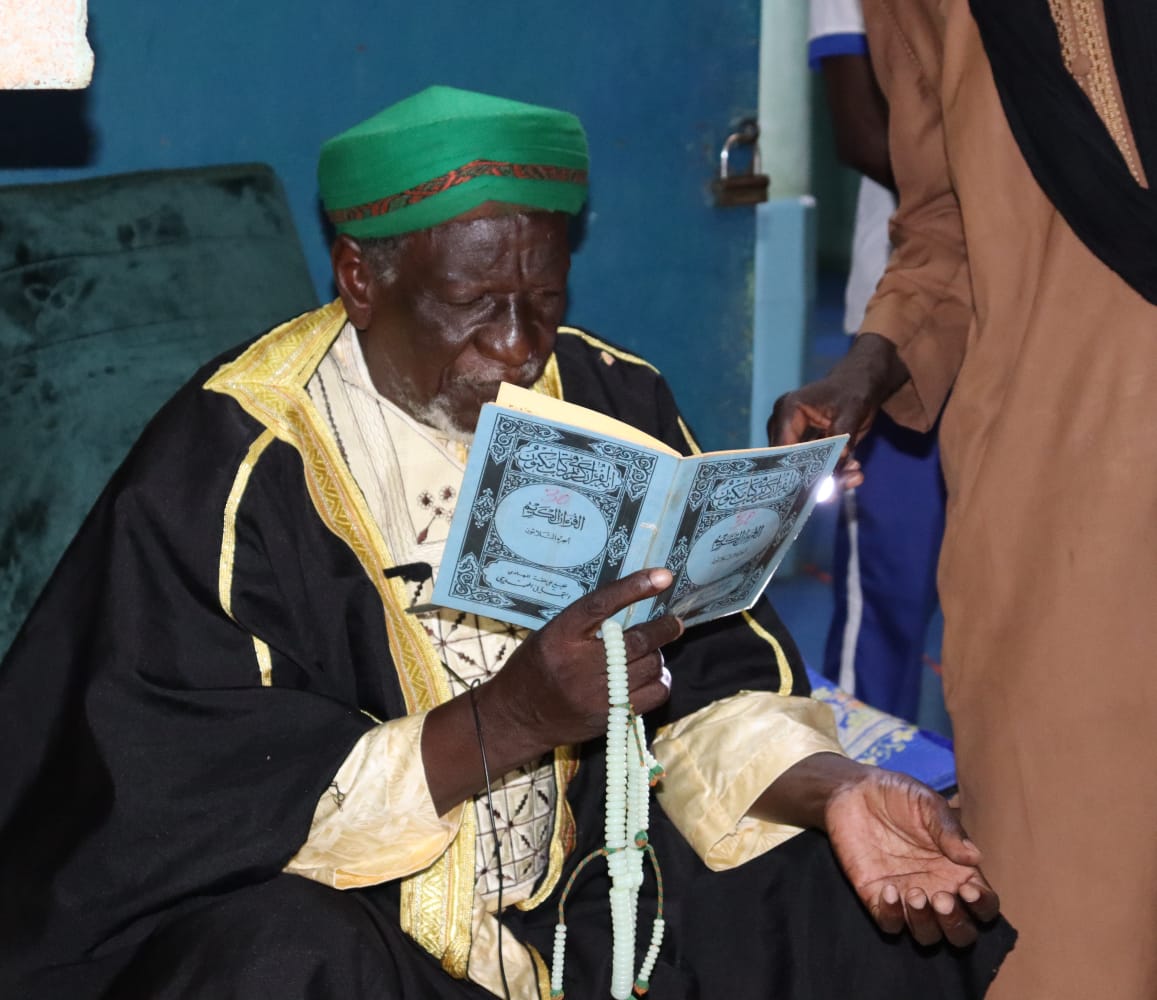
Mouloud, also known as Mawlid, is a significant religious observance in Maradi and across Niger, commemorating the birth of the Prophet Muhammad. The celebration holds deep spiritual and cultural meaning for the Muslim community, marking a time of reflection, prayer, and communal gathering. During Mouloud, Muslims engage in various religious activities, including recitations of the Quran, devotional songs known as _nasheeds_, and special sermons delivered by religious leaders. These events often highlight the Prophet Muhammad's life, teachings, and his exemplary character, encouraging followers to emulate his virtues. The spiritual resonance of Mouloud is profound, as it allows believers to deepen their connection to their faith and to the revered figure of the Prophet. The sermons often delve into specific aspects of the Prophet's life, such as his compassion, wisdom, and leadership, providing guidance and inspiration for daily living.
The observance of Mouloud extends beyond religious services, encompassing social and cultural dimensions. Families typically come together for festive meals, and communities organize events that foster a sense of unity and shared faith. Charitable acts are also common during this period, with individuals and organizations distributing food and aid to those in need, embodying the spirit of compassion central to Islamic teachings. The festivities often include public processions and gatherings in open spaces, where people participate in collective prayers and listen to religious discourse. Children are frequently involved in the celebrations, learning about their faith and heritage through stories and activities. These social components are key for reinforcing intergenerational bonds and transmitting cultural values. The shared meals and communal gatherings strengthen social cohesion, allowing families and neighbors to connect and celebrate together. The act of charity during Mouloud is not merely an obligation but a joyous expression of generosity and solidarity, reflecting the Islamic emphasis on caring for the less fortunate.
Public processions, often vibrant and colorful, bring communities together in a display of collective devotion and cultural pride. These parades, sometimes accompanied by traditional music and chants, create a joyous and celebratory atmosphere throughout the city. For children, Mouloud is a time of special excitement, filled with stories, songs, and often new clothes, making it a memorable occasion that instills a sense of belonging and religious identity from a young age. The educational aspect of Mouloud is significant, as religious leaders use the opportunity to impart lessons on morality, ethics, and community responsibility, drawing directly from the Prophet's teachings. This annual observance thus serves as a powerful reminder of the foundational principles of Islam and their application in contemporary life. It is a period when the community collectively reaffirms its faith and cultural heritage, fostering a strong sense of identity and continuity.
For the people of Maradi, Mouloud serves as an important annual occasion that reinforces religious identity and community bonds. The participation of officials, such as the Governor of Maradi, shows the holiday's prominence in the region's social and political landscape. Such involvement reflects a traditional practice in Niger where governmental figures join in major religious holidays, signifying respect for local customs and religious practices. The Governor's presence at multiple mosques during the celebrations facilitates interaction with diverse segments of the Muslim population, acknowledging the widespread importance of the event. This official recognition also helps to ensure the peaceful and orderly conduct of the celebrations, allowing residents to observe the holiday freely and safely. The collective observance of Mouloud thus reinforces both religious devotion and civic harmony within the Maradi region. The consistent presence of regional leadership at these events sends a clear message about the value placed on religious observances and the importance of maintaining social cohesion across different community groups.
The Governor's participation is not merely symbolic; it is an active demonstration of leadership that seeks to unite and reassure the populace. By engaging directly with religious leaders and congregants, the Governor gains firsthand insight into the concerns and aspirations of the community, fostering a more responsive governance. The security measures often put in place for such large-scale public events, facilitated by official involvement, further contribute to a sense of safety and order, allowing people to celebrate without undue concern. This blend of spiritual observance and civic engagement creates a holistic environment where faith and governance converge to serve the collective good. The annual recurrence of Mouloud, with its consistent official recognition, becomes a predictable and cherished event that strengthens the social fabric of Maradi, demonstrating a continuity of tradition and leadership.
Community Engagement and Unity
The Governor of Maradi's participation in the Mouloud celebrations across the region showed the emphasis on community engagement and fostering unity among residents. Official presence at religious festivals is a traditional practice in Niger, demonstrating respect for local customs and religious practices. The Governor's visits to multiple mosques in the city of Maradi provided opportunities for direct interaction with diverse segments of the Muslim population, acknowledging the widespread importance of the event. These engagements contribute to reinforcing community bonds and a shared sense of identity among the people of Maradi. The act of sharing in these significant cultural moments helps to bridge any potential divides and promotes a unified front within the region.
The official recognition and observance of religious holidays by government figures like the Governor of Maradi play a role in promoting social cohesion. Such involvement can help ensure the peaceful and orderly conduct of celebrations, allowing residents to observe the holiday freely and safely. The collective observance of Mouloud, supported by official participation, reinforces both religious devotion and civic harmony within the Maradi region. This approach aligns with broader efforts to maintain stability and understanding across different community groups. The presence of the Governor acts as a visible endorsement of the community's right to practice its faith, and it encourages mutual respect among all citizens, regardless of their background.
Government officials often utilize such events to connect with citizens, listen to their concerns, and convey messages of unity and cooperation. The Governor's presence serves as a visible symbol of the administration's commitment to its constituents, particularly during significant cultural and religious moments. These interactions can strengthen the relationship between governance and the populace, fostering an environment of mutual respect. In a region where religious observances hold deep meaning, the active involvement of political leadership during events like Mouloud is seen as a gesture of solidarity and shared values. This tradition of engagement is fundamental to the social fabric of Maradi and contributes to overall community well-being. The dialogue initiated during these visits can also inform policy-making, ensuring that governmental decisions are sensitive to the cultural and religious context of the region.
The Governor's participation reinforces the idea of a shared public life, where religious and civic spheres intersect harmoniously. By personally attending and engaging in the celebrations, the Governor sets an example for other public servants and community leaders, encouraging widespread participation and support for cultural events. This leadership by example helps to cultivate an atmosphere of mutual understanding and cooperation, which is vital for the long-term stability and development of the Maradi region. The positive visibility generated by such engagements also contributes to public trust in government institutions, as citizens see their leaders actively participating in and valuing their traditions. This holistic approach to governance, which integrates cultural and religious sensitivity, is a cornerstone of effective leadership in Niger. The ongoing dialogue and interaction fostered during events like Mouloud ensure that the administration remains attuned to the needs and aspirations of the people it serves, thereby strengthening the democratic process and fostering a more inclusive society.