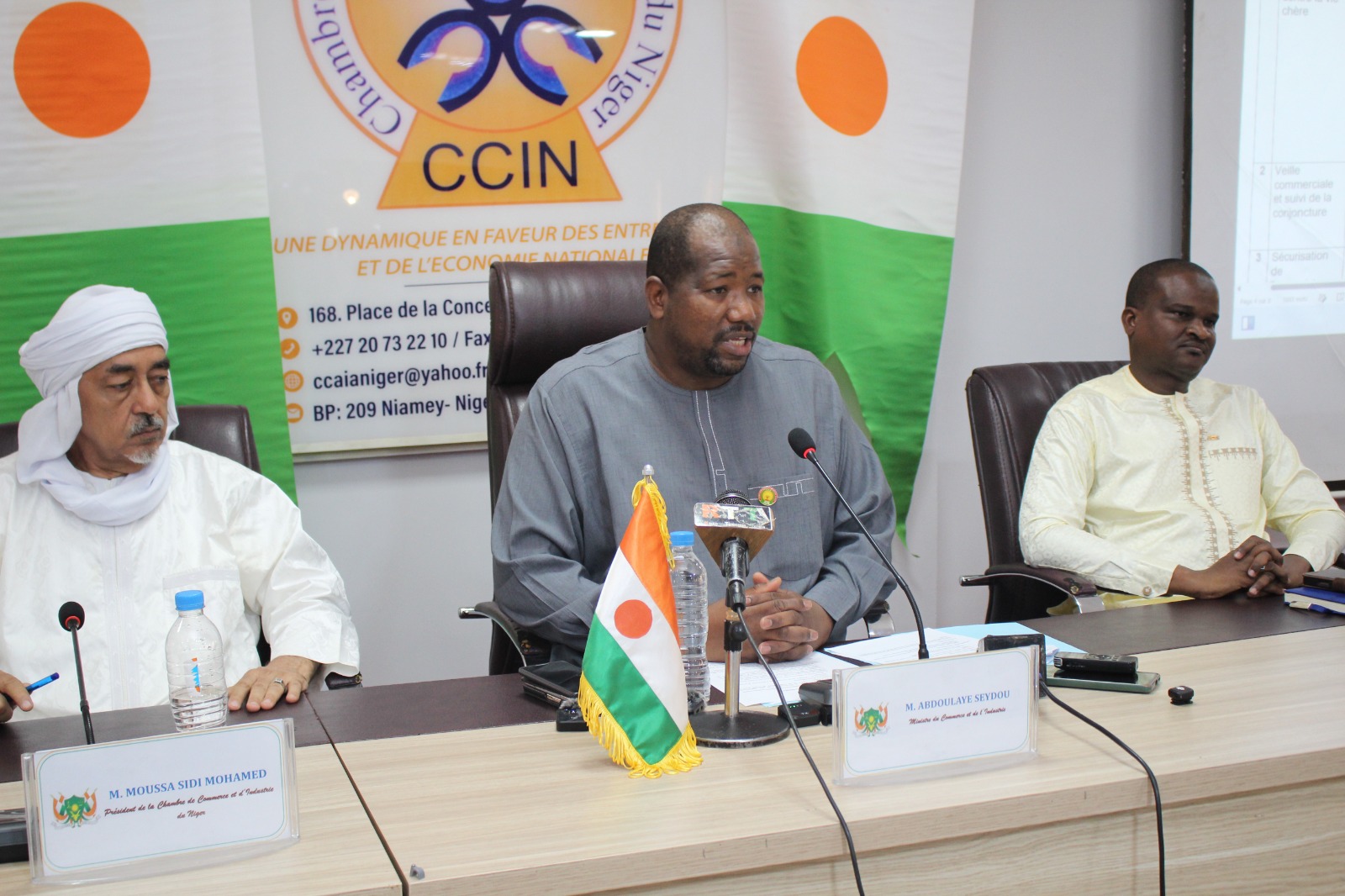
The Ministry of Commerce and Industry presented its sectoral plan for general mobilization in Niamey on Thursday, May 21, 2026. The presentation outlined specific strategies and measures the ministry intends to implement as part of a broader national mobilization effort. This event marks a significant step in the government's preparations for potential future contingencies, detailing the roles and responsibilities within the commerce and industry sectors. The plan aims to ensure readiness and resilience across vital economic functions, emphasizing a proactive approach to national security and stability. The full framework presented shows the Ministry's commitment to safeguarding the nation's economic integrity during times of crisis.
Presidential Decree and Objectives
The presentation’s primary objective was to ensure the continuity of economic activity and the sustained availability of essential products during a crisis. This focus shows the government's intention to maintain societal functioning and meet basic needs even under challenging conditions. The plan aims to delineate clear pathways for businesses and industries to operate effectively, mitigating disruptions that could arise from a national emergency. By prioritizing the flow of goods and services, the Ministry of Commerce and Industry seeks to safeguard the population's access to vital supplies, from food items to critical industrial materials. The measures outlined are designed to establish a resilient framework capable of adapting to unforeseen circumstances, thereby supporting the broader national mobilization effort detailed in the Ministry's full plan. This strategic approach notes the importance of economic stability as a cornerstone of national resilience. The emphasis on essential products ensures that the populace will have access to necessities, preventing widespread shortages and maintaining public order.
Expected Economic Outcomes
The general mobilization plan anticipates several key economic outcomes, according to the Ministry of Commerce and Industry. A primary expected result involves the establishment of a regulated and protected domestic market, ensuring stability and accessibility of goods. This regulation is key for preventing price gouging and ensuring equitable distribution during periods of scarcity. The Ministry also projects a strengthened local industrial base, aiming to reduce the nation's reliance on imports for critical products and manufacturing capabilities. This move towards self-sufficiency is a vital component of long-term national resilience, reducing vulnerability to external supply chain disruptions. By fostering local production, the plan seeks to create a more strong and responsive economy.
Another key objective of the plan is to guarantee uninterrupted logistical and food support. This support is specifically designated for security forces (FDS) and individuals affected by potential crises. Ensuring that the FDS are adequately supplied is critical for maintaining national security, while support for affected persons addresses humanitarian concerns. These measures collectively aim to enhance national resilience by securing essential supplies and maintaining economic functionality during periods of heightened need. The plan thus addresses both the strategic and humanitarian aspects of potential crises, providing a holistic framework for national response.
Mobilization Context and Scope
The general mobilization plan was officially initiated through a presidential decree, according to details released by the Ministry of Commerce and Industry. This directive was issued by the president of the republic, who also serves as the head of state. The decree establishes the legal framework and necessity for the full mobilization effort, showing the government's commitment to national readiness. The scope of this mobilization extends across various sectors, as noted by the Ministry's presentation in Niamey, indicating a coordinated approach to potential future contingencies. The presidential decree ensures that the plan has the highest level of executive backing, allowing for the widespread implementation of measures designed to maintain economic stability and ensure the availability of essential goods and services during periods of crisis. This foundational decree sets the stage for the detailed sector-specific plans now being unveiled, providing a clear mandate for all involved ministries and agencies. The Ministry of Commerce and Industry's presentation represents a critical step in translating this high-level directive into actionable strategies for the economic sector.