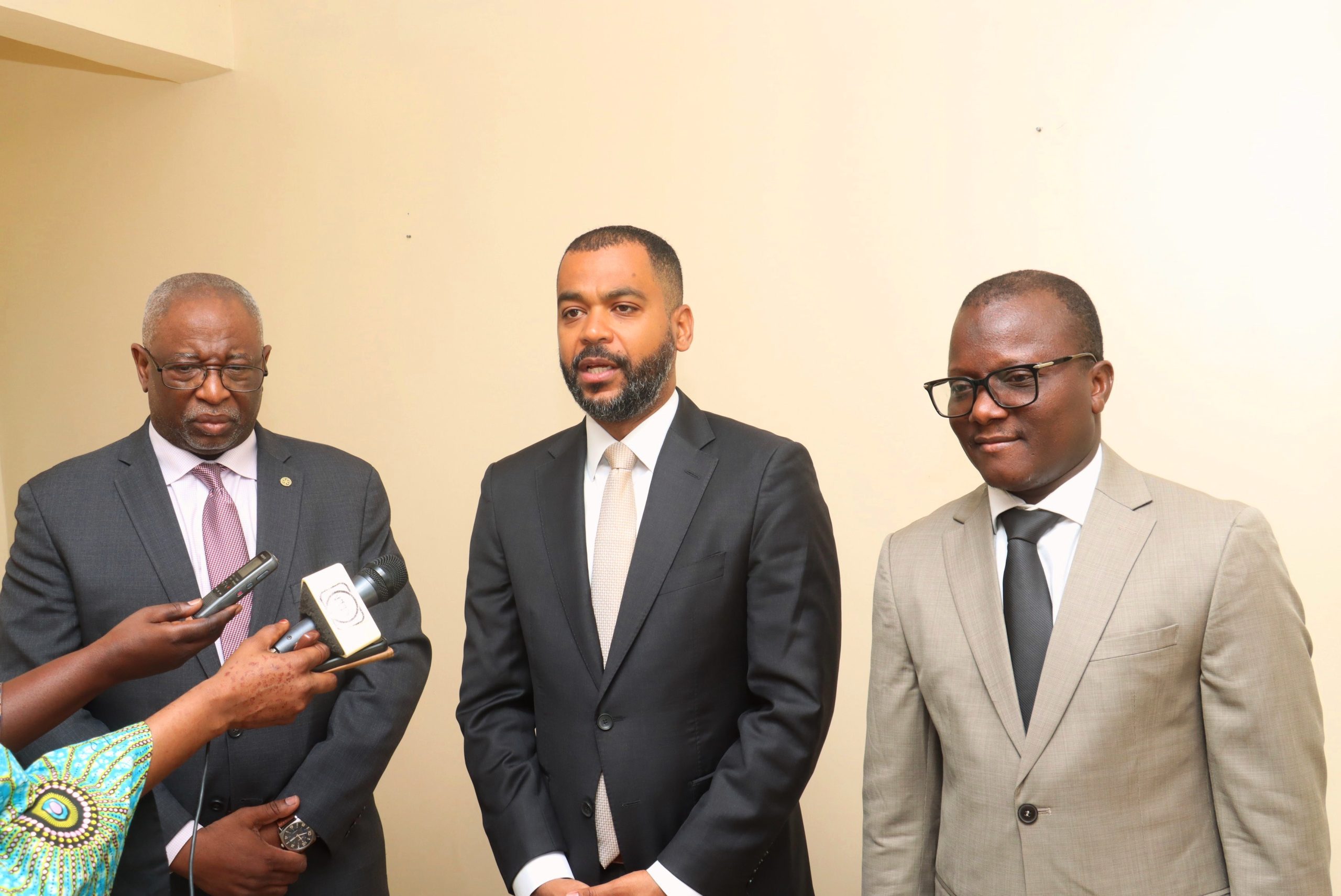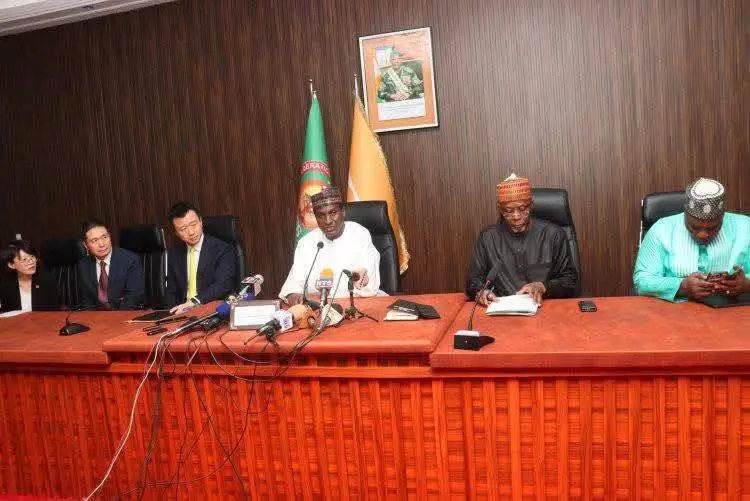
Niger's Minister of Economy and Finance, M Mamane Laouali Abdou Rafa, announced on Wednesday, May 20, 2026, that the country's oil exploitation resources have been instrumental in enabling the state to implement key support measures. The declaration from Niamey notes how these revenues bolster the nation's resilience, particularly amidst ongoing sanctions. The financial contributions from oil operations are being directed towards various state initiatives designed to mitigate the impact of external pressures and support the economy. This strategic allocation of funds shows the government's commitment to cushioning its citizens from the economic ramifications of international restrictions. The Minister emphasized that these domestically generated resources have provided a vital lifeline, allowing the government to maintain essential services and economic stability even when faced with significant external challenges.
Economic Lifeline Through Oil
Oil revenues have financed priority public spending and supported Niger's national economy, particularly during periods of border closures and suspensions of financial operations. These funds have been key in maintaining state functions and economic stability under challenging conditions. The ability to fund critical government operations and economic sectors independently has proven essential for national sovereignty and welfare. The support measures implemented with these revenues included the purchase and distribution of thousands of tons of rice. This initiative aimed to stabilize the prices of essential goods, directly addressing concerns about commodity costs for the population. Such direct interventions are vital in ensuring food security and preventing inflationary pressures from disproportionately affecting vulnerable households. The strategic use of oil revenues for these purposes demonstrates a proactive approach to economic management in the face of adversity, ensuring that the state can continue to provide for its citizens and maintain a semblance of normalcy.
Minister's Statement on Support
The measures implemented by the Nigerien government are specifically designed to mitigate the effects of sanctions on the population. These initiatives, funded by the nation's oil exploitation resources, aim to buffer citizens from the economic pressures imposed by external restrictions. By channeling oil revenues into strategic support programs, the state seeks to ensure stability and address the immediate needs of the populace despite the challenging economic landscape. The Minister of Economy and Finance, M Mamane Laouali Abdou Rafa, previously noted how these funds have been critical in maintaining state functions and economic stability, particularly during periods of border closures and suspensions of financial operations. He reiterated the importance of these self-generated funds in preserving the country's economic sovereignty and capacity to act in the national interest. The government's focus remains on ensuring that the benefits of oil wealth are translated into tangible improvements in the daily lives of Nigeriens, safeguarding them against external economic shocks.
Broader Economic Strategy
Nigerien authorities are actively working to maximize the benefits derived from the nation's oil sector. This strategic focus aims to ensure that oil revenues contribute broadly to the country's economic development and stability. The government intends to leverage these resources to strengthen various segments of the national economy, extending beyond immediate relief measures. This approach is part of a wider plan to build sustainable economic resilience, particularly in the face of ongoing sanctions and external pressures. The efforts are designed to create long-term advantages from oil exploitation, underpinning the nation's financial independence and capacity to support its citizens. The authorities recognize that while immediate relief is key, a full strategy for economic diversification and growth is equally essential for enduring prosperity. This includes investing in infrastructure, education, and other key sectors to foster a strong and self-reliant economy capable of withstanding future challenges. The continued development of the oil sector, coupled with prudent management of its revenues, is seen as a cornerstone of Niger's long-term economic vision.