Niger's provisional public debt is estimated to reach 5,913.27 billion FCFA by the end of December 2025. This significant figure represents the total outstanding public debt for the West African nation at that projected point, offering a detailed financial snapshot. The estimate provides an outlook on the country's financial obligations over the coming period, noting the scale of its borrowing both domestically and internationally. The Ministry of Finance in Niamey is primarily responsible for tracking and managing these complex figures, which are key for informed economic planning and maintaining overall financial stability within the national economy. The provisional nature of the data indicates that final figures may be subject to adjustments as the year progresses, reflecting ongoing financial activities, new borrowing, and economic developments within Niger. This initial assessment serves as a critical benchmark for policymakers and financial institutions alike.
Debt Breakdown Details
Niger's provisional public debt is specifically composed of 3,173.39 billion FCFA in external debt and 2,739.88 billion FCFA in domestic debt. This precise breakdown illustrates the two primary categories of financial obligations contributing to the overall public debt figure projected for the end of December 2025. The external debt component, totaling 3,173.39 billion FCFA, represents liabilities owed to foreign creditors. These typically include international financial institutions such as the World Bank and the International Monetary Fund, as well as bilateral loans from other countries and commercial banks abroad. Conversely, the domestic debt, amounting to 2,739.88 billion FCFA, comprises obligations to creditors within Niger itself. These often include local banks, other financial institutions, and individual investors who hold government securities like treasury bonds. This distinction is key for understanding the sources of financing and the varying financial pressures on the national economy. The balance between external and domestic debt can influence a country's vulnerability to exchange rate fluctuations and global economic shifts. The Ministry of Finance in Niamey monitors these components meticulously as part of its broader debt management strategy, aiming to ensure sustainability and minimize financial risk.
Understanding Provisional Figures
Final figures for public debt generally require a six-month period to be established. This necessary delay is primarily attributed to the essential revaluation operations and the inherent fluctuations in exchange rates. The provisional nature of the reported debt figures for Niger, therefore, accounts for this standard processing time, which is common in public finance reporting globally. Revaluation operations involve assessing the current value of assets and liabilities, particularly those denominated in foreign currencies, which can shift significantly with market conditions and economic indicators. Exchange rate variations directly impact the local currency equivalent of external debt, requiring constant adjustments until a definitive closure is possible for the accounting period. This methodical approach ensures accuracy and reliability in the final accounting of Niger's financial obligations, providing a true picture of the nation's financial health. The Ministry of Finance in Niamey considers these critical factors when presenting initial estimates and preparing for the eventual release of confirmed, audited data, which offers greater certainty to financial markets and the public.
Minister's Announcement Context
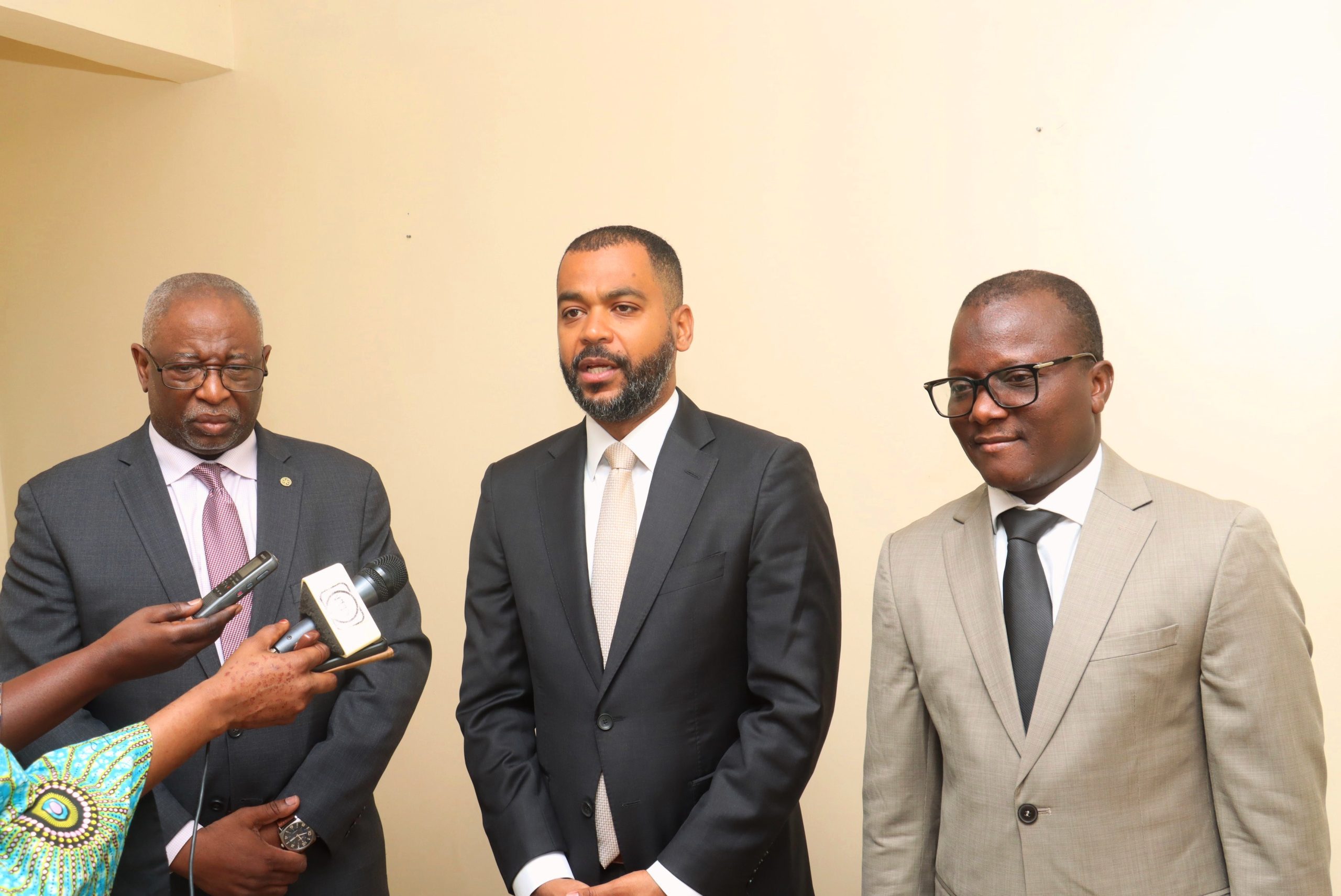
M. Mamane Laouali Abdou Rafa, the Minister of Finance, provided an important interview to Radiotélévision du Niger (RTN) on Wednesday, May 20, 2026. This discussion with the national broadcaster was conducted in Niamey, the capital, where the Minister addressed various financial matters concerning Niger's economic outlook. The interview served as a vital platform for the Ministry of Finance to communicate official figures and economic perspectives directly to the public, fostering transparency and accountability. Through RTN, M. Abdou Rafa conveyed key information regarding the nation's financial standing and future projections, including the detailed debt figures. The broadcast typically reaches a broad audience across Niger, ensuring wide dissemination of the government's economic updates and policies to citizens and stakeholders alike. The Minister's engagement with RTN shows the importance of clear and timely communication in public finance reporting, allowing for greater public understanding of the nation's economic challenges and strategies.