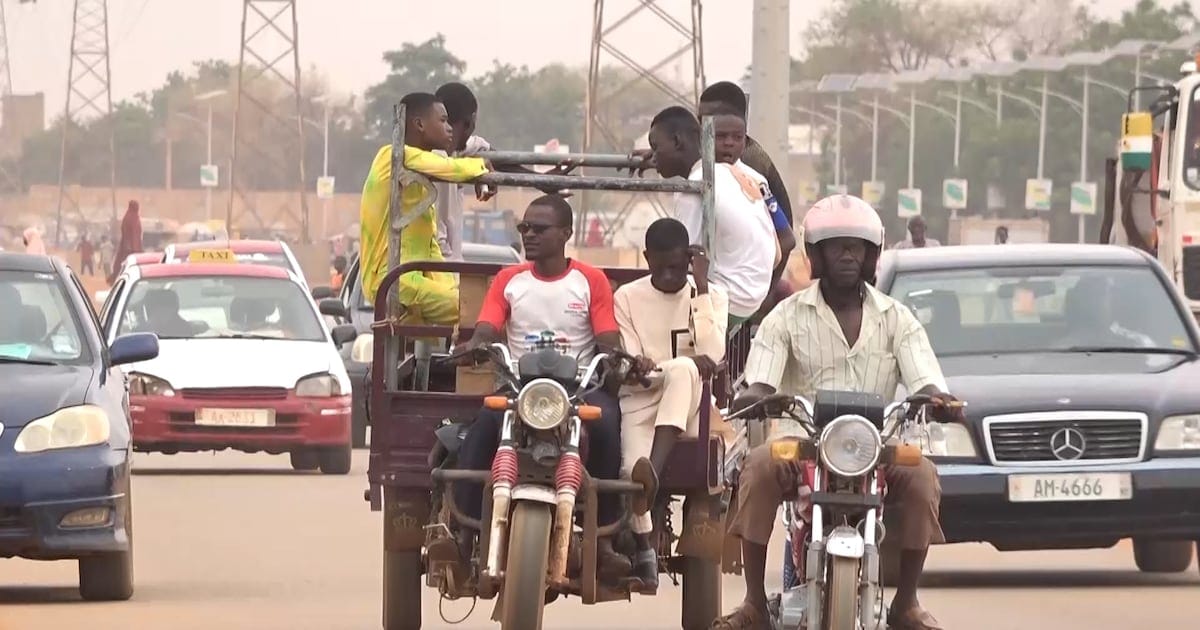
The mayor's office in Niamey has prohibited passenger transport services operated by tricycles within the city. This significant decision, which aims to address urban mobility challenges, impacts a substantial segment of the city's transport infrastructure and the daily lives of its residents. The measure is expected to reshape daily commutes for many residents in Niamey, prompting a re-evaluation of how people navigate the urban environment. The ban represents a notable intervention in the city's transportation ecosystem, targeting a mode of transport that has become deeply integrated into the fabric of urban life for a considerable portion of the population.
Details of the Tricycle Ban
The Niamey mayor's office has implemented a full ban on all tricycle passenger transport services operating within the city limits. The directive, formally announced by the municipal authorities, explicitly prohibits tricycles from carrying passengers on any public roads within Niamey. This measure aims to fundamentally reconfigure urban transportation patterns and address longstanding concerns regarding traffic management, road congestion, and public safety within the bustling city. The ban applies universally to all individuals and entities involved in operating tricycle passenger services, ensuring a consistent application across the urban area. Mayor Hamza Harouna Adamou's administration has indicated that the decision is part of a broader, more strategic effort to rationalize and modernize the city's transport sector. This prohibition marks a significant and immediate shift in how residents in Niamey navigate their daily commutes, given that tricycles have historically been a common and accessible mode of short-distance travel for many. Enforcement of the ban commenced immediately following its official announcement, with authorities actively monitoring compliance across the entire urban area to ensure adherence to the new regulations. This swift implementation shows the municipal government's commitment to effecting this change.
Mobility Challenges Under Scrutiny
The ban on tricycle passenger transport services is currently being tested against Niamey's existing mobility challenges, creating a dynamic situation for urban planners and residents alike. The municipal decision effectively removes a widely used and affordable mode of public conveyance from the city's streets, prompting an immediate reevaluation of how residents move within the urban environment. This measure directly impacts daily commutes and access to essential services for a significant segment of the population that previously relied heavily on tricycles for convenient short-distance travel. Urban planners and local authorities are closely observing the immediate effects of the prohibition on traffic flow, the demand for alternative public transport options, and the evolving commuting patterns of Niamey's residents. The implementation of the ban is expected to highlight both the inherent resilience of the city's transport system and any latent deficiencies in alternative transport options, such as buses or taxis, which may now experience increased demand. The effectiveness of the ban in achieving its stated goals of improved traffic management and public safety will be critically assessed as the city adapts to these new transportation parameters.
Context and Publication
The report detailing Niamey's tricycle transport ban was originally published on September 14, 2026. This article specifically discusses the decision by the mayor's office of Niamey to ban passenger transport on tricycles. As of its most recent update, the article has drew 48 views from readers interested in the city's urban mobility changes and the implications of this significant policy shift. The estimated reading time for the piece is approximately 3 minutes, suggesting a concise yet informative overview of the municipal directive and its potential implications for Niamey's residents and transport infrastructure. The ongoing assessment of the ban's impact continues to be a key area of focus for local authorities and the public alike.