Nigerien security forces intercepted a substantial livestock movement on the outskirts of Tahoua during the night of August 22-23, 2026, around 3 AM. The operation was initiated following intelligence reports indicating unusual livestock activity traveling from the west to the east of the city. This intervention occurred amidst heightened scrutiny of transhumance patterns in the region. The precise timing, in the early hours of the morning, shows the covert nature of the movement and the vigilance of the security forces.
Details of the Seizure
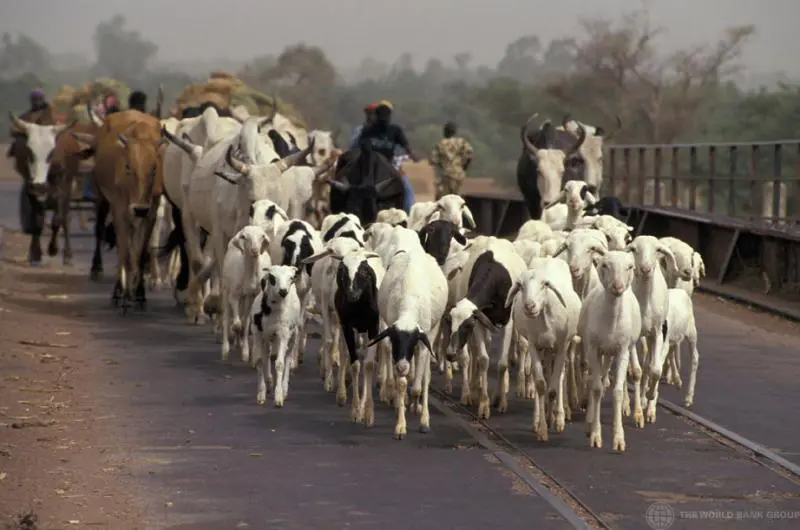
The intercepted herd consisted of 2,055 cattle, 3,085 sheep, 16 donkeys, and 15 goats. This large-scale seizure is considered provisional, with authorities stating that it will remain so pending further investigations. The livestock was reportedly moving from west to east of Tahoua when security forces acted on intelligence reports during the early hours of August 23, 2026. The operation took place as Niger authorities continue to monitor transhumance activities closely, particularly those that deviate from established norms. The provisional nature of the seizure indicates that final disposition of the animals will depend on the outcome of ongoing inquiries into their origin and intended destination. This provisional status is a key aspect, as authorities have not yet publicly established that the entire herd originated from trafficking.
Questioning the Timing
The timing of the intercepted livestock movement has raised questions among authorities, as the typical period for such migrations in Niger usually falls within the first quarter of the year. Historically, pastoral communities in the country move towards grazing areas between February and March. This seasonal migration is a well-understood and often regulated process to ensure sustainable grazing and prevent conflicts. The large-scale movement detected in late August, therefore, deviates significantly from established seasonal transhumance patterns. This unusual timing is a key aspect of the ongoing investigation into the herd's origin and destination, prompting authorities to scrutinize the activity for potential irregularities. The discrepancy between the observed movement and customary transhumance schedules has intensified the focus on the true purpose behind the herd's journey.
Official Response and Next Steps
Authorities have not publicly established that the entire intercepted herd originated from trafficking. The ongoing investigations are working to determine the precise origins and intended destinations of the 2,055 cattle, 3,085 sheep, 16 donkeys, and 15 goats. The provisional status of the seizure indicates that final determinations regarding the livestock's legal standing are pending the outcome of these inquiries. Officials are examining various aspects of the movement, including the unusual timing outside the typical transhumance season, to ascertain whether the animals were part of illicit trade. This process aims to clarify the circumstances surrounding the large-scale livestock movement near Tahoua and ensure that any illegal activities are appropriately addressed. The thoroughness of the investigation is key for understanding the broader context of livestock movements in the region.
Call for Victims
The operation resulted in the provisional seizure of 5,171 animals and the arrest of 142 individuals. This total figure comprises the previously detailed count of 2,055 cattle, 3,085 sheep, 16 donkeys, and 15 goats, noting the sheer volume of the intercepted livestock. The individuals taken into custody are currently undergoing questioning as part of the broader investigation into the herd's origins and intended destination. Authorities have yet to release specific details regarding the identities of those arrested or any initial charges. The significant number of arrests indicates the scale of the enforcement action undertaken by Nigerien security forces in response to the intercepted transhumance. The full nature of the operation, involving both the seizure of a substantial number of animals and the apprehension of numerous individuals, shows the authorities' commitment to regulating transhumance and combating potential illicit activities during this critical season.