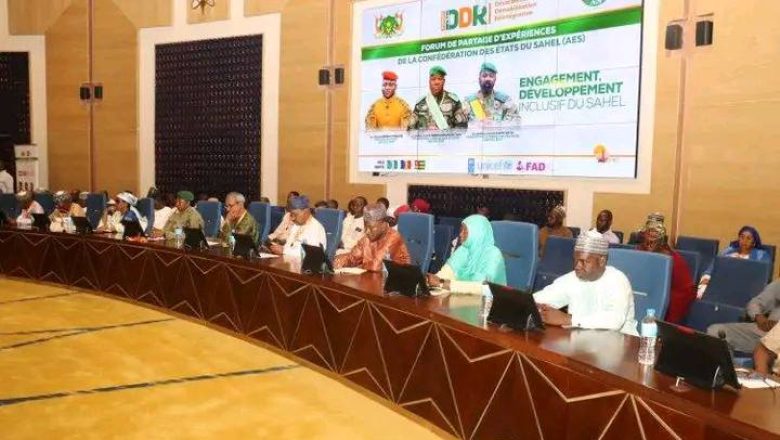
A significant forum was held on Tuesday, May 19, 2026, at the Centre international de conférences Mahatma Gandhi in Niamey to address pressing regional security challenges and advance strategies for stability. The high-level event brought together a diverse group of participants, including ministers, officers, experts, and civil society representatives from the Alliance des États du Sahel (AES) member countries. The primary objective of this key gathering was to reduce violence hotspots and disrupt the recruitment cycles of armed groups by providing credible alternatives for individuals seeking to abandon these groups. This full initiative aims to foster long-term stability and offer viable pathways to reintegration across the entire Sahel region, thereby contributing to broader peace and development efforts.
Strategy Details and Goals
During the forum, concrete experiences were presented, showcasing practical approaches to reintegration. These included the successful conversion of disarmament centers into vocational training hubs, which provide former combatants with essential skills for civilian life. Additionally, the implementation of community mediation programs was noted as a vital tool for fostering reconciliation and acceptance at the local level. The forum also detailed the establishment of psychosocial follow-up mechanisms designed to support former combatants in addressing trauma and adjusting to their new lives. It was emphasized that reintegration efforts are strictly conditioned on verifiable commitments from individuals, rigorous control mechanisms to ensure compliance, and a genuine desire for reinsertion into society, rather than merely absolution for past actions. Beyond addressing the immediate needs of former combatants, the strategy also aims to combat the underlying root causes of violent extremism. These systemic issues include widespread youth unemployment, the marginalization of rural populations, weak public services that fail to meet community needs, and a widespread sense of abandonment within communities, all of which can drive individuals towards armed groups.
Harmonizing Regional Practices
A key focus of the forum was its design to harmonize practices among the Alliance des États du Sahel (AES) member countries. This collaborative approach seeks to share effective evaluation tools and establish common standards for the surrender and subsequent care of ex-combatants. The forum aims to coordinate financial and technical aid for these critical initiatives, ensuring resources are deployed efficiently and effectively across the region. A regional approach to ex-combatant reintegration is considered absolutely necessary to effectively address the complex and transnational nature of the issue. Implementing strictly national policies could risk merely displacing the problem from one area to another rather than resolving it comprehensively across the Sahel. The collaborative framework seeks to ensure consistency and efficiency in reintegration efforts throughout the region, preventing any gaps that could potentially be exploited by armed groups to continue their recruitment. This strategic alignment is intended to create a more resilient and unified response to the significant challenges of post-conflict recovery and long-term stability in the Sahel.
Community and Expert Input
Experts participating in the forum emphasized the critical need to strengthen evaluation and surveillance systems for ex-combatant reintegration. These strong systems include in-depth individual assessments to tailor support to specific needs, probationary periods to monitor progress and commitment, and the active involvement of local authorities in the entire process. A particularly strong emphasis was placed on the importance of integrating local communities, religious leaders, and civil society organizations into the reintegration framework. Their participation is deemed key for ensuring the effectiveness, acceptance, and long-term sustainability of initiatives aimed at former combatants. This community-based approach seeks to build trust and facilitate acceptance, providing a localized support structure that is essential for individuals transitioning out of armed groups. Prioritizing these elements is intended to foster more successful and durable reintegration outcomes across the Sahel region, creating a foundation for lasting peace.
Call for Cooperation
Reintegration is presented not just as a humanitarian effort, but as a strategic lever for broader stabilization across the Sahel. This full approach rests on several pillars: professional insertion to provide economic opportunities, psychological support to address trauma and facilitate social adjustment, reparation of damages to victims and communities where appropriate, and verifiable commitments to non-recidivism from former combatants. This multi-faceted approach aims to address the complex needs of former combatants effectively while simultaneously contributing to broader regional peace and security efforts.